
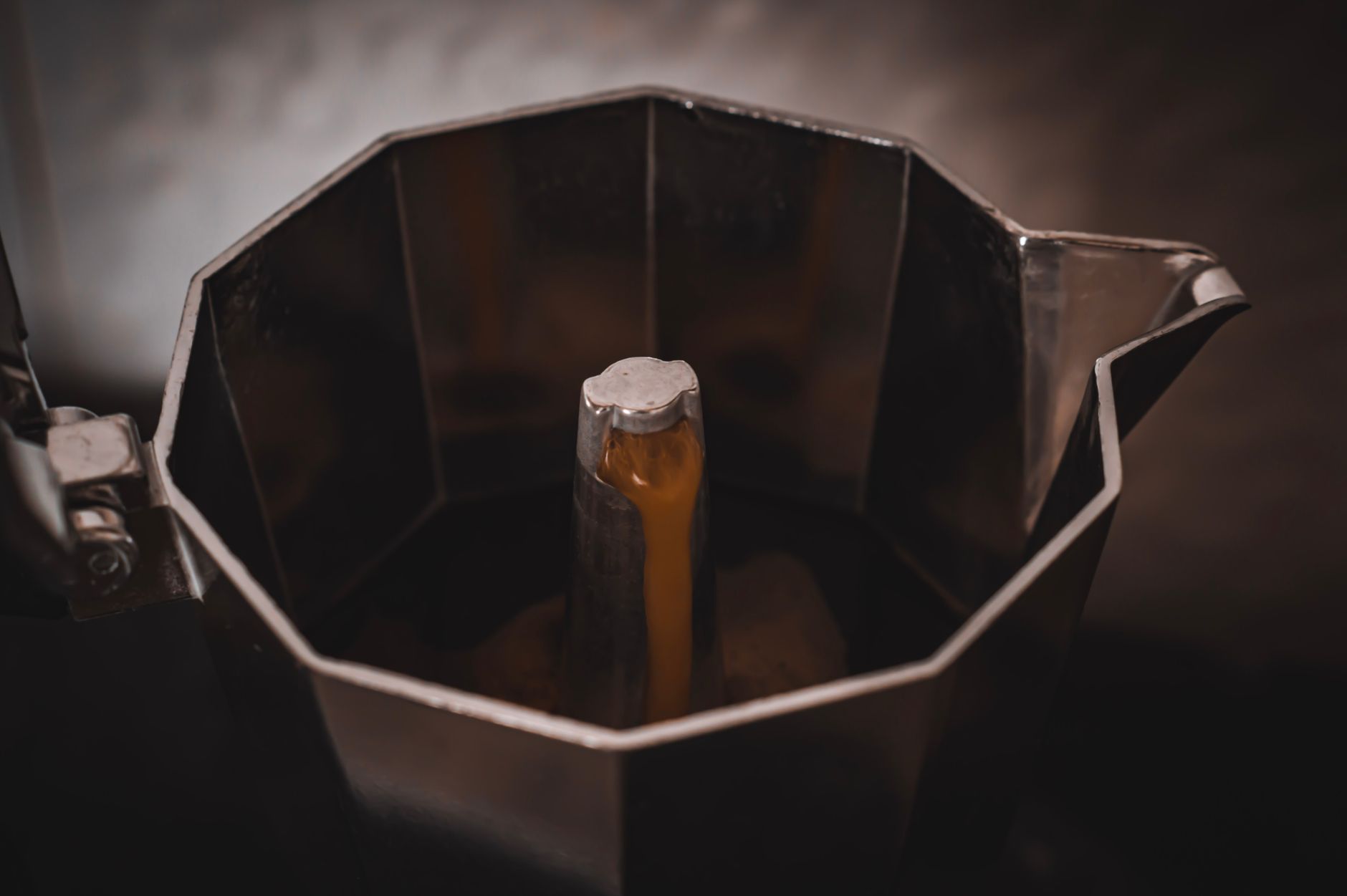
The Moka pot, a staple in many kitchens, serves as a bridge between traditional coffee brewing and espresso. With its rich flavor and unique brewing process, it often raises the question: Is Moka pot espresso? Understanding this distinction not only helps you appreciate this brewing method but also enhances your coffee experience.
This article delves into the details of the Moka pot, exploring its characteristics, comparing it to true espresso, and providing insights into its uses, serving ideas, and much more. Whether you’re a novice coffee drinker or a seasoned barista, you’ll find valuable information to elevate your coffee game.
Is Moka Pot Espresso?
While the Moka pot produces a strong coffee similar to espresso, it is technically not espresso. Espresso requires high-pressure brewing, usually between 9 and 10 bars, while the Moka pot utilizes steam pressure generated by boiling water, which is significantly lower. This leads to differences in flavor, texture, and crema between Moka pot coffee and true espresso.
Understanding the Moka Pot
The Moka pot is an Italian coffee maker invented in 1933 by Alfonso Bialetti. Its design consists of three chambers: the bottom chamber holds water, the middle filter basket holds coffee grounds, and the top chamber collects the brewed coffee. The brewing process is known for creating a rich, bold coffee that is often used as a base for various coffee drinks.
How the Moka Pot Works
- Fill the bottom chamber with water up to the safety valve.
- Insert the filter basket and fill it with finely ground coffee, leveling it off. Do not tamp it down.
- Screw the top chamber onto the bottom tightly.
- Place the Moka pot on medium heat.
- As the water heats up, steam builds pressure and forces the water through the coffee grounds into the top chamber.
- Once the bubbling sound diminishes and coffee starts to flow steadily, remove it from the heat.
- Let it cool briefly and serve.
Flavor Profile Comparison Between Moka Pot Coffee and Espresso
The flavor of Moka pot coffee and espresso differs due to their distinct brewing methods. Moka pot coffee tends to be more robust and slightly bitter, while espresso offers a more complex flavor profile with a balance of sweetness, acidity, and a rich crema.
- Moka Pot Coffee: Strong and bold with a slightly bitter taste; higher caffeine concentration per ounce.
- Espresso: Rich and complex, with a smooth body and a characteristic crema; balanced sweetness and acidity.
Practical Uses of Moka Pot Coffee
Moka pot coffee can be enjoyed in several ways, from drinking it black to using it as a base for specialty drinks. Here are practical uses:
- Black Coffee: Moka pot coffee can be enjoyed on its own for a rich flavor experience.
- Coffee Drinks: Use Moka pot coffee as a base for lattes, cappuccinos, and macchiatos by adding steamed milk or foam.
- Espresso Tonic: Mix Moka pot coffee with tonic water for a refreshing twist – a lovely treat on hot days.
- Iced Coffee: Chill Moka pot coffee and serve over ice, perhaps with milk or syrup, for a summer indulgence.
Serving Ideas for Moka Pot Coffee
Presentation and flavor enhancements can elevate a simple cup of Moka pot coffee. Consider the following serving ideas:
Sweeteners and Flavorings
- Sugar or Sweetener: Customize sweetness to your liking.
- Spices: Cinnamon and nutmeg can add warmth and depth.
- Vanilla Extract: A few drops can enhance the coffee’s aroma.
Accompaniments
- Pastries: Croissants or biscotti pair perfectly with Moka pot coffee.
- Chocolate: Serve with dark chocolate for a decadent treat.
- Fruits: Fresh fruit or fruit preserves can brighten the coffee experience.
Common Mistakes When Brewing with a Moka Pot
To achieve an optimal brew, avoid common pitfalls:
- Incorrect Grind Size: Use coffee ground to a fine consistency similar to table salt for best results.
- Overfilling Water: Never fill above the safety valve; doing so can lead to poor brewing and safety hazards.
- Too Much Tamping: Do not tamp the coffee grounds; it needs to be loose enough for water to flow through adequately.
- High Heat: Avoid using high heat, which can scorch the coffee and create a bitter taste.
The Best Coffee for Your Moka Pot
The type of coffee used significantly impacts the flavor of your Moka pot coffee. Here are some recommendations:
- Medium Roast: Offers a balanced flavor profile without being too overwhelming.
- Dark Roast: Produces a richer, more robust coffee, ideal for a bold experience.
- Specialty Coffee: Experiment with single-origin beans for unique flavor notes.
Differences and Similarities Between Moka Pot and Espresso Machines
Understanding the differences and similarities can help you choose the right brewing method for your coffee preferences.
Similarities
- Both produce a concentrated coffee.
- Can serve as bases for various coffee drinks.
Differences
- Pressure: Espresso machines operate at high pressure (9-10 bars), while Moka pots work at around 1-2 bars.
- Brewing Time: Espresso takes about 20-30 seconds, while the Moka pot takes approximately 5-10 minutes.
- Crema: Espresso has a creamy layer on top due to high-pressure extraction, which is not replicated in Moka pot coffee.
How to Clean and Maintain Your Moka Pot
Regular cleaning ensures optimal performance and flavor. Follow these steps for cleaning and maintenance:
- Allow the Moka pot to cool completely after use.
- Disassemble the pot into its parts: the bottom chamber, filter basket, and top chamber.
- Wash all parts with warm, soapy water. Avoid using abrasive cleaners that can scratch the surface.
- Rinse thoroughly and let it dry completely before reassembling.
- Periodically check the rubber gasket for wear and replace it if necessary.
Storage Tips for Coffee
Proper storage of coffee can extend its freshness and flavor. Here are tips for keeping your coffee beans in great condition:
- Airtight Containers: Store coffee in a dark, airtight container at room temperature, away from moisture and light.
- Whole Beans vs. Ground: Whole beans last longer than pre-ground coffee.
- Freezing: If storing for a prolonged period, consider freezing beans in an airtight bag, but be cautious with moisture from thawing.
Alternative Brewing Methods to Explore
If you enjoy experimenting with coffee, consider these alternative brewing methods:
- French Press: Produces a full-bodied coffee with a richness similar to that of the Moka pot.
- Aeropress: Offers a versatile method of making coffee, with control over brew time and flavor extraction.
- Pour-Over: Allows for precise control over water temperature and pouring technique, which can enhance flavor nuances.
The Cultural Influence of the Moka Pot
Many coffee lovers cherish the Moka pot as a symbol of Italian coffee culture. It is not just an appliance; it represents social interaction and daily rituals. In Italy, making coffee with a Moka pot often becomes a communal experience, paused only for conversation and indulgence in rich flavors.
Recipe Ideas Using Moka Pot Coffee
Ready to whip up something delightful using Moka pot coffee? Here are two recipes to enjoy:
Recipe 1: Espresso Tonic
This refreshing drink combines the bold flavor of Moka pot coffee with the fizz of tonic water.
- Ingredients:
- 1 cup brewed Moka pot coffee
- 1 cup tonic water
- Ice cubes
- Optional: lime wedge
- Method:
- Fill a glass with ice cubes.
- Pour the brewed Moka pot coffee over ice.
- Add tonic water and stir gently.
- Garnish with a lime wedge, if desired, and serve immediately.
Recipe 2: Iced Americano
Perfect for hot summer days, this drink brings together rich Moka pot coffee and chilled water.
- Ingredients:
- 1 cup brewed Moka pot coffee
- 1 cup cold water
- Ice cubes
- Optional: milk or sweetener
- Method:
- Brew a cup of Moka pot coffee and let it cool slightly.
- Fill a glass with ice cubes.
- Pour in the coffee and add cold water.
- Add milk or sweetener if desired, and mix well before serving.
Conclusion
Moka pot coffee, while not technically espresso, offers a robust and rich alternative that has earned its place in coffee culture. Understanding how it compares to espresso can enhance your coffee experience, allowing you to appreciate its bold flavors and character. Whether you enjoy it black, as a base for other drinks, or paired with delectable snacks, the Moka pot is a versatile addition to your coffee repertoire.
Take your coffee appreciation further by exploring related recipes and guides, such as the Espresso Tonic Recipe and the refreshing Iced Americano Recipe, to discover new ways to enjoy your coffee creations.