
Understanding food safety is crucial, particularly when it comes to poultry. Consumers often wonder how many days after the sell-by date chicken can still be safely consumed. It’s essential to know the guidelines to maintain health and avoid foodborne illnesses.
This article will delve into how long you can keep chicken after the sell-by date, focusing on storage methods, signs of spoilage, handling tips, and other relevant information to help you make informed decisions in your kitchen.
How Many Days After Sell By Date Chicken?
Generally, raw chicken can be kept in the refrigerator for one to two days after the sell-by date, while cooked chicken can be consumed up to three to four days afterward. However, these time frames can vary depending on storage conditions and how the chicken was handled before and after purchase.
Understanding Sell-By Dates
The sell-by date is a guideline intended for retailers to indicate how long they can display the product for sale. It does not indicate the safety of the chicken but rather suggests when the quality starts to decline. After this date, chicken may still be safe to eat if it has been stored properly.
How to Store Chicken Safely
Proper storage is vital for maximizing the shelf life of chicken. Here are the best practices:
- Refrigeration: Store chicken at temperatures below 40°F (4°C). Always keep it in the coldest part of the refrigerator.
- Freezing: If you aren’t planning to use chicken within a couple of days, freeze it. Raw chicken can be kept in the freezer for up to one year, while cooked chicken is good for about four to six months.
- Packaging: Ensure that chicken is well-wrapped in airtight packaging to prevent exposure to air and moisture. Vacuum sealing is preferred for long-term storage.
Identifying Spoiled Chicken
Knowing how to recognize spoiled chicken can help prevent consuming unsafe food. Here are the key indicators:
- Smell: Fresh chicken should have a neutral smell. A sour, ammonia-like, or foul odor indicates spoilage.
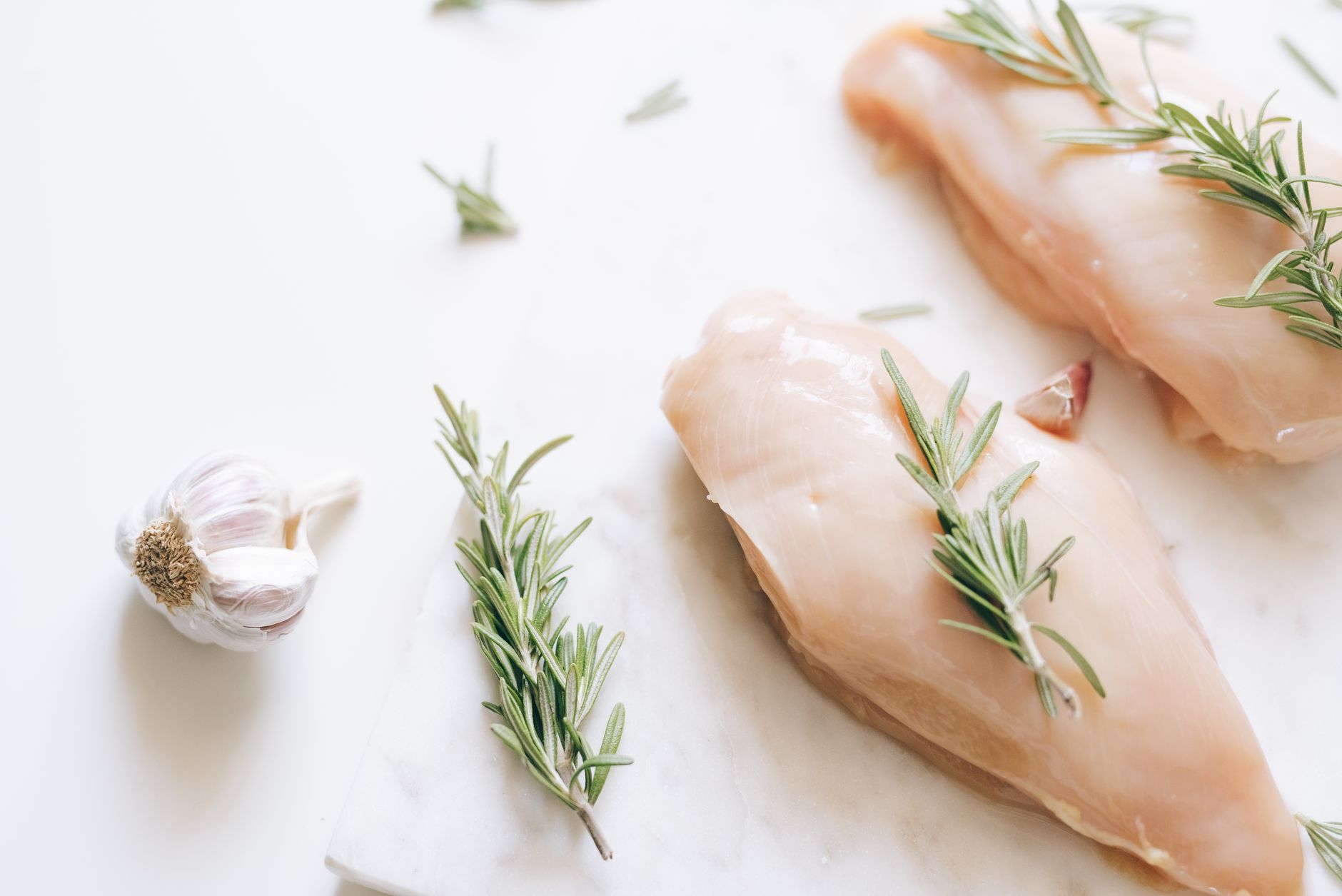
- Color: Fresh chicken is typically pink in color. If it has turned gray or green, it is spoiled.
- Texture: Fresh raw chicken is firm to the touch. If it feels slimy, sticky, or tacky, discard it.
Cooked Chicken Storage Guidelines
Once chicken is cooked, it can be stored in the refrigerator for three to four days. Proper handling and storage are critical to maintaining food safety.
- Cool Down: Allow chicken to cool to room temperature before refrigerating, but do not leave it out for more than two hours to prevent bacterial growth.
- Store in Airtight Containers: Place cooked chicken in airtight containers to prevent moisture loss and protect it from other odors in the fridge.
- Labeling: Consider labeling your containers with the date to easily track freshness.
Best Practices for Handling Chicken
Food safety practices apply not only to storage, but also to handling chicken. Here are some important tips:
- Wash Hands: Always wash your hands with soap and water before and after handling raw chicken.
- Avoid Cross-Contamination: Use separate cutting boards and utensils for raw chicken to prevent cross-contamination with other foods.
- Cook Thoroughly: Chicken should be cooked to an internal temperature of 165°F (75°C) to ensure it is safe to eat. Use a food thermometer to check.
Freezing Chicken: Tips and Tricks
Freezing is an excellent way to extend the shelf life of chicken. Here are important tips for freezing chicken:
- Use Freezer Bags: Choose heavy-duty freezer bags or vacuum-sealed bags that prevent freezer burn.
- Portion Control: Freeze chicken in portion sizes that suit your meals. This makes it easier to thaw only what you need.
- Thaw Properly: Always thaw chicken in the refrigerator, cold water, or the microwave. Never thaw at room temperature, as this can promote bacterial growth.
Cooking Chicken After the Sell-By Date
While freshness is critical, cooking chicken a few days after the sell-by date is usually safe if there are no signs of spoilage. Cooked properly, chicken can be delicious and safe to eat. Here are a few tips:
- Visual Inspection: Check for any discoloration or texture changes before cooking.
- Odor Check: Ensure there are no off-smells before cooking.
What to Do with Leftover Chicken
Utilizing leftover chicken can help reduce waste and enhance meal options. Here are ideas for utilizing leftover chicken:
- Salads: Add chopped cooked chicken to salads for extra protein.
- Soups: Use leftover chicken to make delicious soups or stews.
- Wraps and Sandwiches: Mix with mayo or your choice of sauce for tasty wraps and sandwiches.
Common Mistakes and Troubleshooting
Despite best efforts, mistakes can happen. Here are common errors and how to avoid them:
- Confusing Sell-By with Use-By: Remember that sell-by dates are for stores, while use-by dates are for consumer safety.
- Improper Thawing: Never thaw chicken on the kitchen counter; always use safe methods.
Conclusion
Knowing how to handle chicken after the sell-by date can enhance food safety in your kitchen. Stick to the recommended storage times and guidelines, and always trust your senses when determining the freshness of chicken.
Experiment with using leftover chicken in various dishes to minimize waste and enjoy diverse meals. Being informed about food safety allows you to confidently maximize your chicken’s potential in the kitchen.
For more information on chicken storage, check out our guide on how long is chicken good for in the fridge and learn about how long cooked chicken lasts for practical tips on keeping your chicken fresh and safe.