
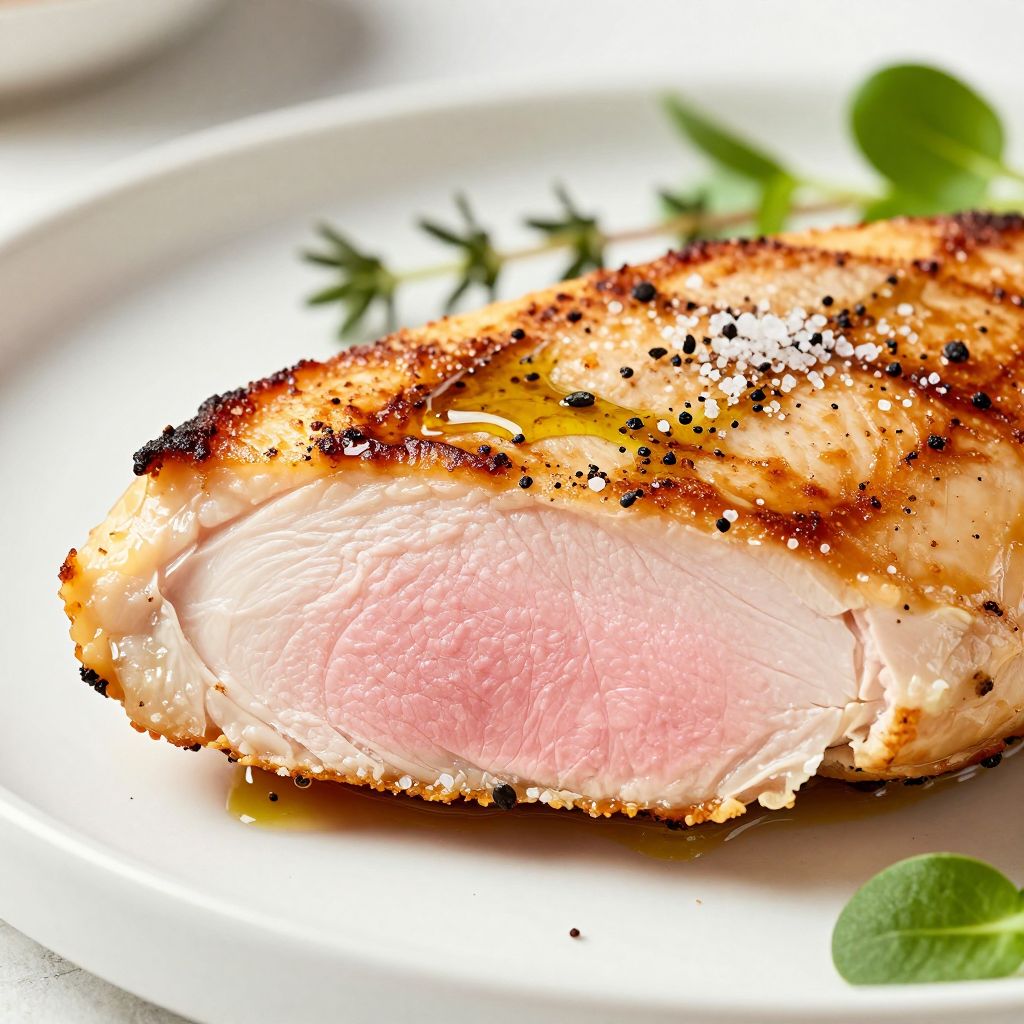
Knowing how long chicken stays fresh in the refrigerator helps you plan meals safely and reduce waste. This guide explains exactly how long different types of chicken last in the fridge, how to recognize spoilage, and how to store chicken properly so it stays safe to cook and eat.
Whether you bought a whole bird, boneless breasts, or leftover rotisserie chicken, understanding safe storage times protects your family from foodborne illness and helps you get the most from your grocery budget.
How Long Does Chicken Last in the Fridge?
Raw chicken stays fresh in the refrigerator for one to two days when stored at 40°F (4°C) or below, while cooked chicken keeps for three to four days. These timelines apply whether you bought the chicken from a butcher counter or a supermarket package, and the clock starts as soon as the chicken is exposed to refrigerator temperatures, not when you open the package.
Raw Chicken Storage Times
All raw chicken follows the same basic refrigeration timeline, but the form and packaging affect how you should handle it.
Whole Chicken
A whole raw chicken lasts one to two days in the refrigerator. Keep it in its original packaging on a plate or in a shallow pan to catch any drips that could contaminate other foods. If you plan to roast or cut up the chicken more than two days after purchase, freeze it instead of refrigerating.
Chicken Parts and Cuts
Chicken breasts, thighs, drumsticks, and wings also stay fresh for one to two days when refrigerated. Boneless cuts and bone-in pieces follow the same timeline. Store them in the coldest part of your refrigerator, usually the back of the bottom shelf, and keep them sealed in their original packaging or transfer them to an airtight container.
Ground Chicken
Ground chicken has more surface area exposed to bacteria, but it still keeps for one to two days in the fridge. Use it quickly or freeze it the day you bring it home. Ground poultry spoils at the same rate as ground beef or pork.
Cooked Chicken Storage Times
Properly stored cooked chicken gives you more flexibility than raw chicken because cooking kills most bacteria.
Home-Cooked Chicken
Chicken you roast, grill, sauté, or poach at home stays good for three to four days in the refrigerator. Let the chicken cool to room temperature within two hours of cooking, then transfer it to a shallow airtight container. Dividing large batches into smaller portions helps the chicken chill faster and more evenly.
Rotisserie and Store-Bought Cooked Chicken
Rotisserie chicken from the grocery store follows the same three-to-four-day guideline. Remove the meat from the carcass within two hours of purchase and store it in a sealed container. The carcass itself makes excellent chicken stock within that same timeframe.
Chicken in Soups, Stews, and Casseroles
Cooked chicken combined with other ingredients in dishes like chicken soup, pot pie filling, or casseroles also keeps for three to four days. Store these dishes in airtight containers and reheat them to 165°F (74°C) before serving.
How to Tell If Chicken Has Gone Bad
Even when chicken is within the safe storage window, check for signs of spoilage before cooking or eating it.
Smell
Fresh raw chicken has a mild, neutral scent or a faint smell that disappears when rinsed. Spoiled chicken develops a sour, ammonia-like, or sulfurous odor that becomes stronger as the meat deteriorates. If the smell makes you hesitate, discard the chicken.
Texture
Raw chicken should feel slightly moist but not slimy. A sticky or tacky surface indicates bacterial growth. Cooked chicken that feels excessively slimy or has developed a slick film has gone bad.
Color
Raw chicken ranges from pale pink to light yellow depending on the bird’s diet and breed. Gray or green patches signal spoilage. Cooked chicken should be white or tan throughout, and any gray or green discoloration means you should throw it out.
When in Doubt
Trust your instincts. If chicken looks, smells, or feels questionable, don’t taste it to check. The risk of foodborne illness outweighs the cost of replacing the chicken.
Proper Chicken Storage Techniques
How you store chicken directly affects how long it stays fresh and safe.
Temperature Control
Keep your refrigerator at 40°F (4°C) or below. Use a refrigerator thermometer to verify the temperature, especially in older units. Bacteria multiply rapidly between 40°F and 140°F (4°C and 60°C), the range food safety experts call the danger zone.
Packaging
Store raw chicken in its original packaging until you’re ready to cook it, and place the package on a plate or in a container to prevent leaks. If the packaging is torn or you’ve opened it, transfer the chicken to an airtight container or resealable plastic bag. For cooked chicken, use shallow containers that allow the meat to cool quickly and evenly.
Placement in the Refrigerator
Place raw chicken on the bottom shelf of the refrigerator so drips can’t contaminate ready-to-eat foods like salads, fruits, or leftovers. Keep chicken away from the door, where temperature fluctuations are greatest.
Separation
Never let raw chicken touch other foods, cutting boards, or utensils that won’t be cooked to a safe temperature. Use separate cutting boards for raw poultry and wash your hands, knife, and work surface with hot soapy water immediately after handling raw chicken.
Freezing Chicken for Longer Storage
Freezing extends chicken’s shelf life far beyond refrigeration limits.
How Long Chicken Lasts in the Freezer
Raw chicken parts keep for nine months in the freezer, while a whole raw chicken lasts up to one year. Cooked chicken maintains best quality for two to six months when frozen. These timeframes reflect quality rather than safety—properly frozen chicken remains safe indefinitely, but texture and flavor decline over time.
Freezing Techniques
Wrap chicken tightly in plastic wrap, aluminum foil, or freezer paper, then place it in a freezer bag and press out as much air as possible. Label each package with the contents and date. For easier meal planning, freeze chicken in portion sizes you’ll use in one cooking session.
Thawing Safely
Thaw frozen chicken in the refrigerator, allowing about 24 hours for every five pounds. Never thaw chicken on the counter, where the outer portions can reach unsafe temperatures while the inside stays frozen. You can also thaw chicken in cold water, changing the water every 30 minutes, or cook it directly from frozen by adding about 50 percent more cooking time.
Common Mistakes That Shorten Chicken’s Shelf Life
Avoid these errors to keep chicken fresh as long as possible.
Leaving Chicken at Room Temperature
Refrigerate or freeze chicken within two hours of purchase or cooking, or within one hour if the room temperature exceeds 90°F (32°C). Bacteria multiply rapidly at room temperature, and chicken left out too long becomes unsafe even if you refrigerate it later.
Overcrowding the Refrigerator
Air needs to circulate around stored foods to maintain consistent cold temperatures. An overpacked refrigerator creates warm spots where bacteria can grow.
Refreezing Thawed Chicken
You can safely refreeze raw chicken that was thawed in the refrigerator and hasn’t been left out at room temperature, but the texture will suffer. Cooked chicken can also be refrozen, though it may become dry. Never refreeze chicken that was thawed on the counter or in warm water.
Ignoring Sell-By Dates
The sell-by date tells stores how long to display the chicken, not when it becomes unsafe. You can refrigerate chicken for one to two days past the sell-by date if it was handled properly, but use your senses to check for spoilage. The use-by date is a better indicator of peak quality.
Food Safety Guidelines for Cooking Chicken
Safe storage is only part of preventing foodborne illness from chicken.
Internal Temperature
Cook all chicken to an internal temperature of 165°F (74°C) measured with a food thermometer in the thickest part of the meat, away from bone. This temperature kills harmful bacteria like Salmonella and Campylobacter. Ground chicken must also reach 165°F throughout.
Resting Time
Let whole roasted chickens rest for at least 15 minutes after removing them from the oven. The internal temperature will continue to rise slightly, and the juices will redistribute. Smaller pieces need only a few minutes of resting time.
Reheating Leftovers
Reheat cooked chicken to 165°F (74°C) before eating. Use a food thermometer to verify the temperature, especially when reheating in a microwave, which can create cold spots. Bring soups and sauces containing chicken to a rolling boil.
Frequently Asked Questions
Can I cook chicken that’s been in the fridge for three days?
Raw chicken stored for three days exceeds the safe one-to-two-day window and should be discarded. Cooked chicken is still safe on day three and can be eaten through day four if it was refrigerated promptly after cooking and shows no signs of spoilage.
Does washing chicken before cooking make it last longer?
No. Washing raw chicken doesn’t extend its shelf life and actually spreads bacteria around your sink and countertops through splashing. Modern food safety guidelines recommend skipping the rinse and cooking chicken to the proper internal temperature instead.
Is chicken still good if it smells a little off but looks fine?
No. An off smell indicates bacterial growth even when the chicken looks normal. Discard any chicken with an unusual or unpleasant odor.
Can I marinate chicken for longer than two days?
You can marinate chicken for up to two days in the refrigerator, but this doesn’t extend the total safe storage time. If you bought the chicken today, you can marinate it for up to two days, but the combined time from purchase to cooking shouldn’t exceed two days for raw chicken.
What’s the white stuff that comes out of chicken when I cook it?
The white substance is a protein called albumin that coagulates when heated. It’s completely safe and doesn’t indicate spoilage. You’ll see more of it when cooking chicken from frozen or at very high heat.
How can I tell if vacuum-sealed chicken is still good?
Vacuum-sealed chicken follows the same one-to-two-day refrigeration timeline once opened. In the sealed package, check the use-by date and look for any bloating, which indicates gas-producing bacteria. If the package has been compromised or the chicken smells off when opened, discard it.
Making the Most of Fresh Chicken
Plan your meals around chicken’s short refrigeration window. Buy chicken one to two days before you plan to cook it, or freeze it immediately if your schedule changes. Cook a whole chicken or large batch early in the week, then use the leftovers in salads, sandwiches, tacos, or grain bowls over the next few days.
Proper storage protects both food safety and food quality, giving you tender, flavorful chicken every time you cook.
For more guidance on handling poultry safely, explore our chicken stock recipe to use up those bones and scraps, or learn more about safe handling practices in our guide on how long chicken can sit out at room temperature.