
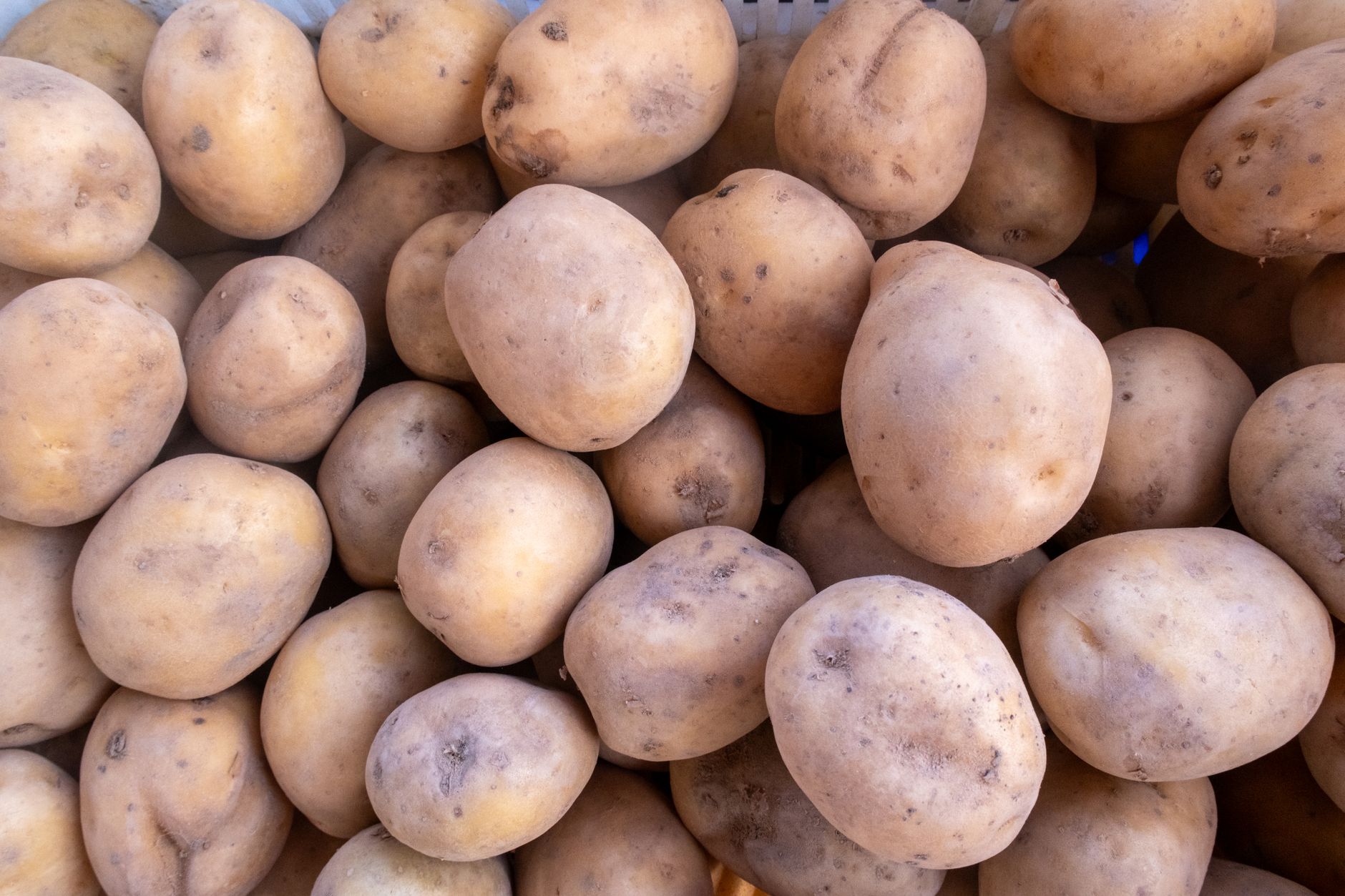
Potato starch has gained traction in gluten-free cooking and baking as a versatile ingredient. This guide will provide insights into whether potato starch is gluten-free, its uses in recipes, practical substitutions, and essential allergy notes for those with dietary restrictions.
Understanding potato starch’s properties and how it fits into a gluten-free diet is crucial for planning meals that accommodate various dietary needs. Let’s delve deeper into the details of potato starch, ensuring that readers can confidently use it in their culinary creations.
Is Potato Starch Gluten Free?
Yes, potato starch is gluten-free. It is derived from potatoes and does not contain gluten proteins, making it safe for those with celiac disease or gluten sensitivities. Potato starch is widely used in gluten-free recipes to improve texture and moisture.
What Is Potato Starch?
Potato starch is a carbohydrate extracted from the root of the potato plant. The process involves washing and shredding potatoes to release the starch granules, which are then dried and ground into a fine powder. Unlike potato flour, potato starch has a lighter texture and a more neutral flavor.
Uses of Potato Starch
Potato starch is primarily used as a thickening agent in sauces, soups, and gravies. However, its versatility extends to various culinary applications, such as:
- Gluten-Free Baking: It can be a critical ingredient in gluten-free flours, helping to mimic the texture that gluten provides.
- Coating for Frying: Potato starch gives a crisp coating to fried foods.
- Puddings and Desserts: It is often used to thicken puddings, custards, and jellies.
- Gnocchi and Dumplings: Potato starch is a popular ingredient in the preparation of gluten-free gnocchi.
Potato Starch vs. Other Starches
When considering potato starch for gluten-free cooking, it’s useful to compare it to other commonly used starches:
| Starch | Flavor | Thickening Power | Common Uses |
|---|---|---|---|
| Potato Starch | Neutral | High | Soups, sauces, baked goods |
| Cornstarch | Neutral | Medium | Gravies, puddings, sauces |
| Tapioca Starch | Sweet | Medium | Desserts, gluten-free breads |
| Arrowroot Starch | Neutral | Medium | Soups, sauces, desserts |
Substituting Potato Starch
When substituting potato starch in recipes, it is essential to consider the appropriate ratios and how the change may affect the final product. Here are some practical substitutions:
- For Thickening: You can substitute potato starch for cornstarch in a 1:1 ratio. However, potato starch provides a clearer finish to sauces, while cornstarch may impart a slightly opaque texture.
- In Baking: Replace a portion of all-purpose flour with potato starch. A ratio of 1:3 (one part potato starch to three parts flour) is a common guideline for gluten-free blends.
- For Frying: If you don’t have potato starch, you can substitute with cornstarch or tapioca starch at a 1:1 ratio, but keep in mind the flavor profiles may differ slightly.
Potential Allergen Considerations
Despite being gluten-free, potato starch is not free from allergen concerns for some individuals. It is crucial to be aware that:
- Individuals with potato allergies should avoid potato starch entirely.
- When purchasing commercially prepared potato starch, check for manufacturing practices to ensure there is no cross-contamination with gluten-containing products.
- Some brands may process their starches in facilities that handle other allergens, so it’s prudent to read labels carefully.
Cooking with Potato Starch
When incorporating potato starch into your cooking repertoire, there are several tips that can enhance its performance:
1. Use in Cold Preparations
Potato starch can thicken mixtures when added to cold liquids and then heated. This method prevents lumping and ensures a smooth texture, particularly when making sauces or gravies.
2. Adjust Cooking Times
Potato starch thickens quickly. Be mindful of cooking times when adding it to hot liquids, as too long a cook can break down the starch and result in a thinner consistency.
3. Combine with Other Gluten-Free Flours
For baking, mixing potato starch with other gluten-free flours (such as rice or almond flour) can create a balanced texture. Trying a blend will help achieve desirable outcomes in crumb structure.
4. Store Properly
Potato starch should be stored in an airtight container in a cool, dry place to prevent clumping or absorption of moisture, which can compromise its quality.
Common Mistakes When Using Potato Starch
Here are some pitfalls to avoid when cooking with potato starch:
- Overheating: High temperatures can break down the starch, leading to a watery consistency rather than the desired thickness.
- Adding Too Early: If added too soon in a cooking process, potato starch can clump and create an undesirable texture.
- Incorrect Ratios: Always measure carefully, as using too much or too little potato starch can significantly affect the outcome of your dish.
Recipes Featuring Potato Starch
To better understand how to use potato starch in your cooking, consider these common recipes that incorporate it:
Gluten-Free Gnocchi
This classic Italian dish can easily be adapted for gluten-free diets using potato starch.
- Ingredients:
- 2 cups mashed potatoes
- 1 cup potato starch
- 1 large egg
- Salt to taste
- Instructions:
- Boil and mash the potatoes until smooth.
- In a large bowl, combine the mashed potatoes, potato starch, egg, and salt.
- Knead the mixture until a dough forms.
- Roll the dough into small logs and cut into bite-sized pieces.
- Cook the gnocchi in boiling water until they float, about 2-3 minutes.
- Serve with your choice of sauce.
Potato Starch Pudding
This creamy dessert showcases potato starch as a thickener beautifully.
- Ingredients:
- 2 cups milk (or non-dairy milk)
- 1/4 cup sugar
- 3 tablespoons potato starch
- 1 teaspoon vanilla extract
- Instructions:
- In a saucepan, whisk together the milk, sugar, and potato starch until smooth.
- Heat over medium heat, stirring continuously until the mixture thickens.
- Remove from heat and stir in vanilla extract.
- Pour into serving dishes and chill before serving.
Conclusion
Potato starch is an excellent gluten-free ingredient that adds versatility to various recipes. With its ability to thicken, enhance texture, and provide moisture, it is a staple for anyone switching to or maintaining a gluten-free diet. Whether making gnocchi or puddings, potato starch offers exciting opportunities for culinary creativity.
For more great recipes that cater to dietary needs, explore our gluten-free gnocchi recipe or learn about the gluten content in potatoes.