
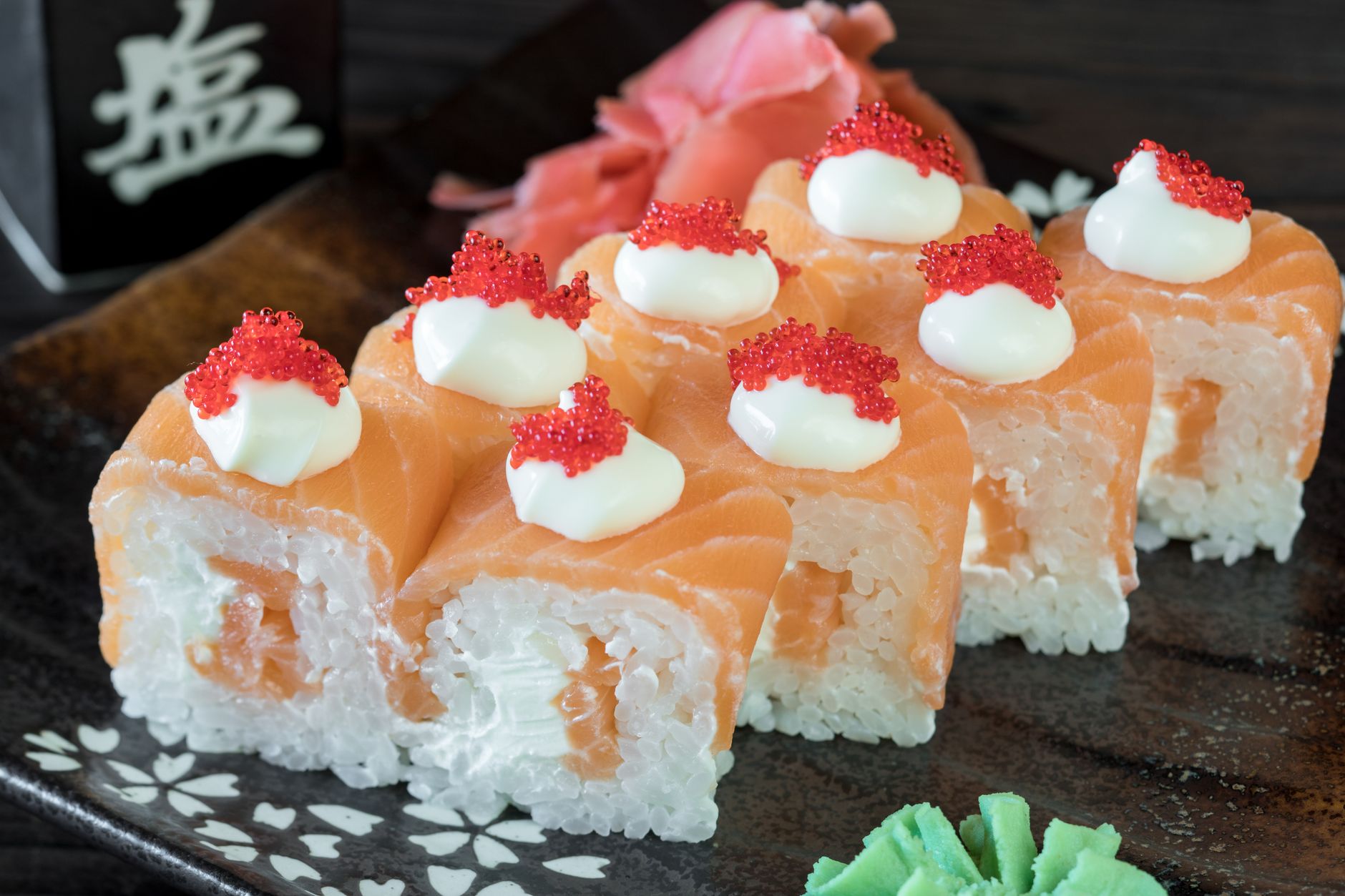
The Philadelphia roll is a popular sushi creation known for its unique blending of flavors and textures, appealing to those who enjoy a modern twist on traditional sushi. It typically includes smoked salmon and cream cheese, paired with fresh vegetables, all wrapped in vinegared rice and nori. This delightful combination offers both a satisfying bite and a refreshing taste experience.
Originating from the fusion of Japanese cuisine with Western tastes, particularly in the United States, the Philadelphia roll is a great introduction to sushi for those who may be hesitant about raw fish. In this guide, we’ll explore the taste, texture, and kitchen uses of the Philadelphia roll, making it easier for you to appreciate or recreate this beloved dish.
What Is a Philadelphia Roll?
The Philadelphia roll is characterized by its use of smoked salmon, cream cheese, and often cucumber or avocado. It is typically wrapped in sushi rice and nori (seaweed), providing a contrast between the creamy filling and the firm texture of the rice and the roll itself. This sushi variant appeals to both sushi enthusiasts and newcomers alike due to its approachable ingredients and flavors.
Taste and Texture Profile
The flavor of a Philadelphia roll is a balance of savory and creamy, with the smokiness of the salmon complemented by the rich, tangy cream cheese. The addition of fresh vegetables adds crunch and freshness, creating a multidimensional culinary experience. Here’s a closer look at the components:
Key Ingredients and Their Roles
- Smoked Salmon: Offers a savory and smoky flavor, which is the star of the roll.
- Cream Cheese: Provides a creamy, rich texture that balances the dish.
- Sushi Rice: Slightly sweet and vinegared, acting as the backbone of the roll.
- Nori: Adds a slight brininess and crispness, holding the roll together.
- Vegetables (like cucumber or avocado): Provide texture and freshness, enhancing the overall enjoyment of the roll.
Overall Flavor Experience
When you take a bite of a Philadelphia roll, you experience a smooth and creamy texture from the cream cheese, fine smoky notes from the salmon, and a crisp bite from the fresh vegetables. The sushi rice adds a pleasant chewiness, while the nori provides a subtle briny taste that rounds out the flavors.
Kitchen Uses of Philadelphia Rolls
The versatility of the Philadelphia roll extends beyond simply being a favorite sushi option at Japanese restaurants. Here are a few practical uses and applications for this roll:
Enjoying as a Snack or Meal
Philadelphia rolls can be served as a snack, an appetizer, or part of a larger meal. They pair wonderfully with soy sauce, pickled ginger, and wasabi, allowing you to customize each bite to your taste preferences.
Impressing Guests
This roll is perfect for entertaining, as it’s both visually appealing and a crowd-pleaser. Offering homemade Philadelphia rolls during a gathering showcases your culinary skills and impresses your guests without requiring extensive sushi training.
Meal Prep and Storage
Philadelphia rolls can be made in advance as part of meal prep. Preparing sushi rolls in bulk saves time during busy weeks while providing healthy and delicious options readily available. Store them in the refrigerator in an airtight container, ideally enjoying them within a day or two for the best flavor and texture.
How to Make a Philadelphia Roll
Bringing the Philadelphia roll into your home kitchen is simpler than you might think. Here’s a straightforward recipe to help you create this delightful sushi roll.
Ingredients
- 1 cup sushi rice, uncooked
- 1 1/4 cups water
- 2 tablespoons rice vinegar
- 1 tablespoon sugar
- 1/2 teaspoon salt
- 4 sheets nori
- 4 ounces smoked salmon
- 4 ounces cream cheese, softened
- 1 small cucumber, julienned
- 1 avocado, sliced (optional)
- Soy sauce, for serving
- Pickled ginger and wasabi, for serving
Essential Kitchen Equipment
- Sushi mat (bamboo mat)
- Sharp knife
- Rice cooker (optional)
- Large bowl
- Plastic wrap
Preparation Steps
- Rinse the sushi rice under cold water until the water runs clear to remove excess starch. This will keep your rice from becoming too sticky.
- Cook the rice using a rice cooker or on the stovetop. Combine the rinsed rice and 1 1/4 cups of water in a pot and let it soak for 30 minutes. Then, bring to a boil, cover, reduce heat to low, and simmer for about 18 minutes. Once cooked, remove from heat and let it sit covered for an additional 10 minutes.
- In a small bowl, combine rice vinegar, sugar, and salt. Heat briefly in the microwave or on the stovetop until dissolved.
- Transfer the cooked rice to a large bowl and gently mix in the vinegar mixture. Allow the rice to cool to room temperature.
- Place a sheet of nori on your sushi mat with the shiny side facing down. Wet your hands to prevent sticking, and take a portion of sushi rice (about 1/4 cup); spread it evenly across the nori, leaving a 1-inch border at the top.
- In the center of the rice, add a line of smoked salmon, cream cheese, julienned cucumber, and avocado if desired.
- Using the sushi mat, carefully roll the nori over the filling, pressing gently to create a tight roll. Continue rolling until you reach the top edge of the nori. Seal it by wetting the edge with a little water.
- Turn the roll seam-side down and let it rest for a few moments to ensure it stays sealed.
- With a sharp knife, slice the roll into bite-sized pieces, wiping the knife blade with a damp cloth in between cuts for cleaner edges.
- Serve your Philadelphia rolls with soy sauce, pickled ginger, and wasabi.
Common Mistakes and Troubleshooting
While making Philadelphia rolls may seem straightforward, beginners can run into a few common issues. Here are some pitfalls to avoid:
Over-Cooked or Undercooked Rice
Ensure your rice is cooked just right; too mushy can lead to an unmanageable roll, while undercooked rice can result in a hard texture. Adjust cooking times based on your specific rice brand and ensure thorough rinsing.
Not Using Fresh Ingredients
Quality is essential. Using fresh smoked salmon, vegetables, and cream cheese will enhance the taste of your roll significantly. Check expiration dates and choose high-quality products.
Rolling Technique
Many home chefs struggle with rolling properly. Use gentle pressure when rolling without squishing the ingredients. Practice makes perfect, and even imperfect rolls can taste delicious!
Ingredient Proportions
Finding the right balance of filling to rice can take a little experimentation. Too much filling can lead to a messy roll that falls apart, while too little may make the roll bland.
Variations and Substitutions
The beauty of the Philadelphia roll lies in its versatility. You can easily customize the ingredients based on your preferences or dietary restrictions. Here are a few variations to consider:
Vegetarian Variation
For a vegetarian version, replace smoked salmon with marinated tofu or a mix of vegetables such as bell peppers, carrots, and cucumber.
Spicy Philadelphia Roll
Add a spicy kick by incorporating Sriracha or spicy mayo into the cream cheese or including spicy tuna or crab instead of smoked salmon.
Grain or Alternative Rolls
Experiment with brown rice or quinoa for a healthier variation, keeping in mind that the flavor and texture will differ slightly.
Storage and Reheating
Philadelphia rolls are best enjoyed fresh but can be stored for a short period in the refrigerator. Here are some storage tips:
How to Store
Wrap individual rolls in plastic wrap and place them in an airtight container. They will be best consumed within 24 hours for optimal freshness and flavor.
Reheating Advice
Reheating sushi rolls is generally not recommended, as it can negatively affect texture and flavor. If you must, gently microwave them for a few seconds, but enjoy them cold at their best.
Conclusion
The Philadelphia roll is an excellent choice for those new to sushi or those simply looking for a delightful, creamy, and flavorful roll. Its versatility makes it a suitable option for all occasions, whether as an appetizer for a dinner party or a convenient meal prep option. With this guide, you’re now equipped to understand the ingredients, create your own rolls, and explore the many variations and uses of this beloved sushi dish.
For more culinary inspiration, explore related recipes and cooking tips to elevate your home cooking skills. Check out our guides on how to make sushi rice, different sushi rolls, and common sushi ingredients for more insights.