
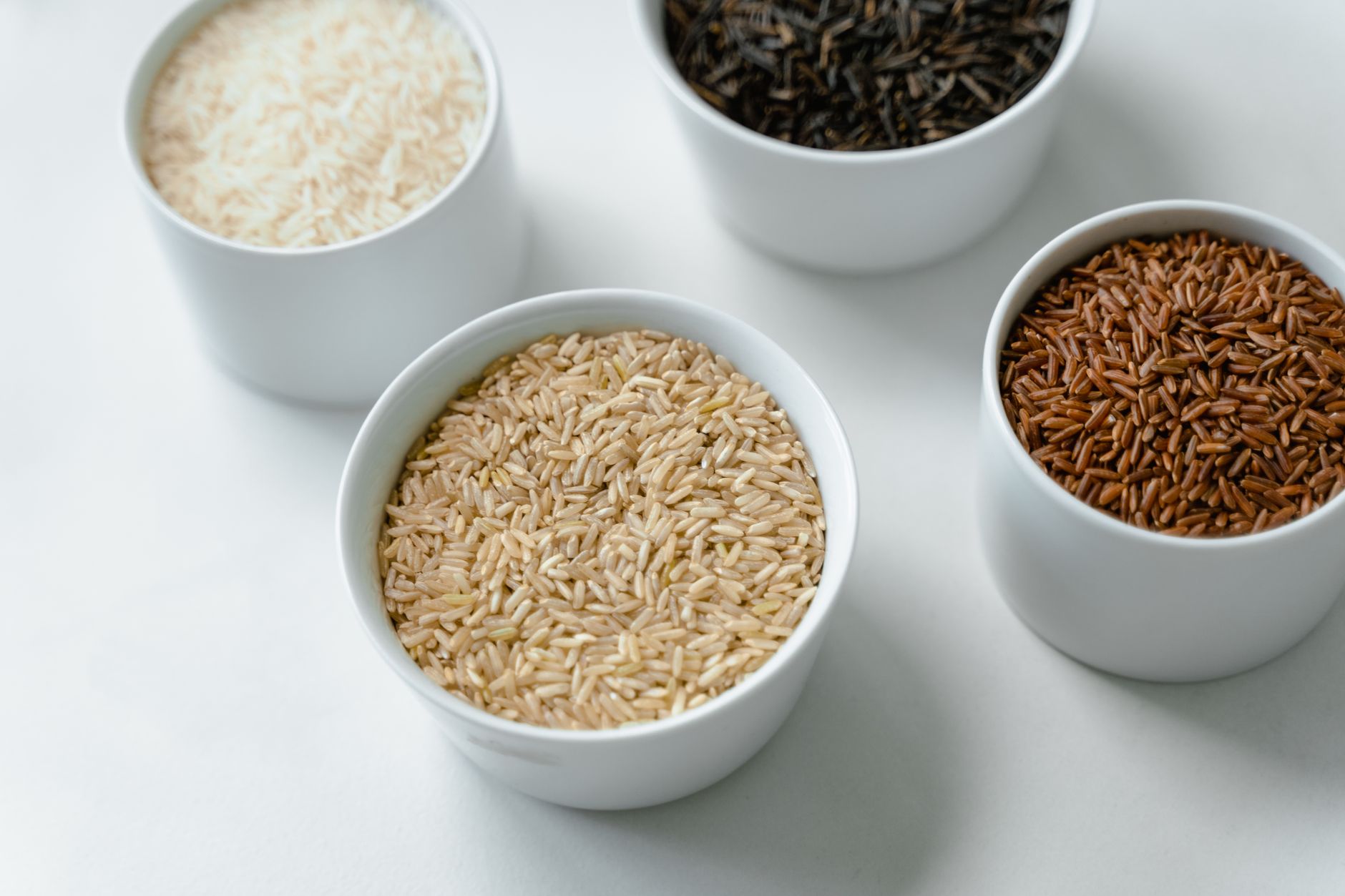
For individuals with diabetes, managing carbohydrate intake is essential for blood sugar control. Rice is a staple food, but not all types are created equal when it comes to diabetes. Understanding which rice varieties to incorporate into your diet can help you enjoy this versatile grain while maintaining healthy blood sugar levels.
This article explores rice types that are better suited for diabetics, their nutritional benefits, portion control, and practical cooking tips that make meal preparation easier.
What Rice Is Good for Diabetics?
Brown rice, wild rice, and certain types of basmati rice are generally considered better choices for diabetics due to their higher fiber content and lower glycemic index compared to white rice. These varieties help regulate blood sugar levels more effectively while providing essential nutrients.
Nutritional Benefits of Rice Varieties for Diabetics
When evaluating rice options for a diabetic-friendly diet, pay attention to the glycemic index (GI), fiber content, and overall nutritional profile. Here’s a breakdown of some of the best rice choices:
1. Brown Rice
Brown rice is a whole grain that retains the bran and germ layers, making it more nutritious than white rice. It has a lower GI (around 50) compared to white rice (about 70), meaning it causes a slower rise in blood sugar. Additionally, brown rice is rich in fiber, which enhances satiety and promotes digestion.
2. Wild Rice
Although not technically rice, wild rice is an excellent choice for diabetics. It has a low GI (around 45) and is high in protein, fiber, and antioxidants. Its nutty flavor and chewy texture make it a satisfying addition to various dishes.
3. Basmati Rice
Among the types of white rice, basmati stands out as a healthier option with a medium GI (around 58). When choosing basmati rice, opt for the whole grain variety for added nutrients and fiber. The aromatic flavor enhances various cuisines, making it a versatile choice for meals.
4. Sushi Rice
Sushi rice can be a reasonable option when consumed in moderation. It’s essential to watch portion sizes and balance it with other foods, especially high-fiber vegetables or lean proteins. The key is controlling blood sugar by monitoring how much sushi rice is consumed.
Portion Control: Serving Sizes for Diabetics
Portion control is critical for managing carbohydrate intake effectively. The American Diabetes Association recommends the following serving sizes for rice:
- 1/2 cup cooked brown rice
- 1/2 cup cooked wild rice
- 1/3 cup cooked basmati rice
- 1/4 cup sushi rice
Monitoring your portion sizes will help keep carbohydrates in check and maintain steady blood sugar levels throughout the day.
Practical Cooking Tips for Preparing Rice
Cooking rice might seem straightforward, but there are specific techniques to enhance flavor and ensure proper texture, especially for diabetics. Here are essential tips:
1. Rinse Rice Thoroughly
Rinsing rice before cooking is crucial. It removes excess starch, which can lead to a stickier texture and potentially increase the GI of the dish. Rinse under cold water until the water runs clear.
2. Use the Right Water-to-Rice Ratio
The water-to-rice ratio can vary by type. For example:
- Brown rice: 2 cups of water for 1 cup of rice
- Wild rice: 3 cups of water for 1 cup of rice
- Basmati rice: 1.5 cups of water for 1 cup of rice
Always check packaging instructions, as cooking times and water ratios may vary by brand.
3. Add Flavor Wisely
Enhance the natural flavors of rice by cooking it in broth (low sodium if needed) or adding herbs and spices such as garlic, cilantro, or turmeric, which may also offer health benefits. This makes the meal more enjoyable without relying on high-calorie sauces that can spike blood sugar.
4. Consider Cooking Methods
The cooking method can impact the final texture. Steaming rice rather than boiling can yield fluffy grains. Using a rice cooker is another great option, providing consistent results without being overly sticky.
Ideas for Incorporating Rice into a Diabetic Meal Plan
Integrating rice into a diabetic meal plan requires careful thought. Here are some practical ways to include healthier rice options in your diet while maintaining balanced meals:
1. Rice Bowls
Create rice bowls featuring a base of brown or wild rice topped with lean proteins (like grilled chicken, tofu, or beans) and plenty of colorful vegetables. Drizzle with a light dressing or sauce to elevate the flavor.
2. Add it to Soups
Incorporate small amounts of brown or wild rice into hearty vegetable soups or stews. This adds texture and helps create a more substantial meal without excessive carbs.
3. Stir-Fries and Pilafs
Use brown rice or basmati rice as a base for stir-fries. Sauté vegetables with a protein of your choice, and toss in the cooked rice. Opt for low-sodium soy sauce or tamari and add spices for enhanced flavor.
4. Cold Salads
Add cooked and cooled brown rice or wild rice to salads for more fiber and a satisfying bite. Toss with fresh greens, nuts, seeds, and a light vinaigrette for a nutritious side or main dish.
Common Mistakes to Avoid When Cooking Rice
Cooking rice can lead to certain pitfalls that impact both flavor and healthfulness. Keep these tips in mind:
1. Overcooking Rice
Overcooked rice can become mushy and lose its nutritional content. Follow cooking times closely to achieve the perfect texture. Fluffy rice is ideal for enjoying your meal.
2. Not Measuring Accurately
Estimating water and rice ratios can lead to undesirable outcomes. Use measuring cups to ensure accurate proportions. Consistency in your cooking is key for great results.
3. Skipping Nutrition Balance
While rice can be a nutritious part of a meal, remember to balance your plate with proteins, healthy fats, and non-starchy vegetables. This mixture will help ensure stable blood sugar levels and nourishment.
Storage and Reheating Rice
Proper storage and reheating methods can help maintain the quality of rice dishes:
Storage
- Cooked rice can be stored in an airtight container in the refrigerator for up to four days.
- For long-term storage, freeze cooked rice in portioned bags and use within three to six months for the best flavor.
Reheating
When reheating rice, add a splash of water to retain moisture and heat it in the microwave, covered, in short bursts (about 1-2 minutes), stirring occasionally until heated through. Alternatively, reheat in a saucepan over low heat with a splash of broth.
Conclusion
Choosing the right type of rice and practicing portion control are vital for managing diabetes effectively. Brown rice, wild rice, and certain varieties of basmati rice can fit into a healthy eating pattern while providing essential nutrients. Remember to balance meals with other food groups and use practical cooking methods to make rice both enjoyable and beneficial.
For delicious rice recipes and cooking tips, you might want to check out our Instant Pot Brown Rice recipe or explore our Puerto Rican Rice recipe. These guides will inspire your meals as you work to create healthy dishes that suit your needs and preferences.