
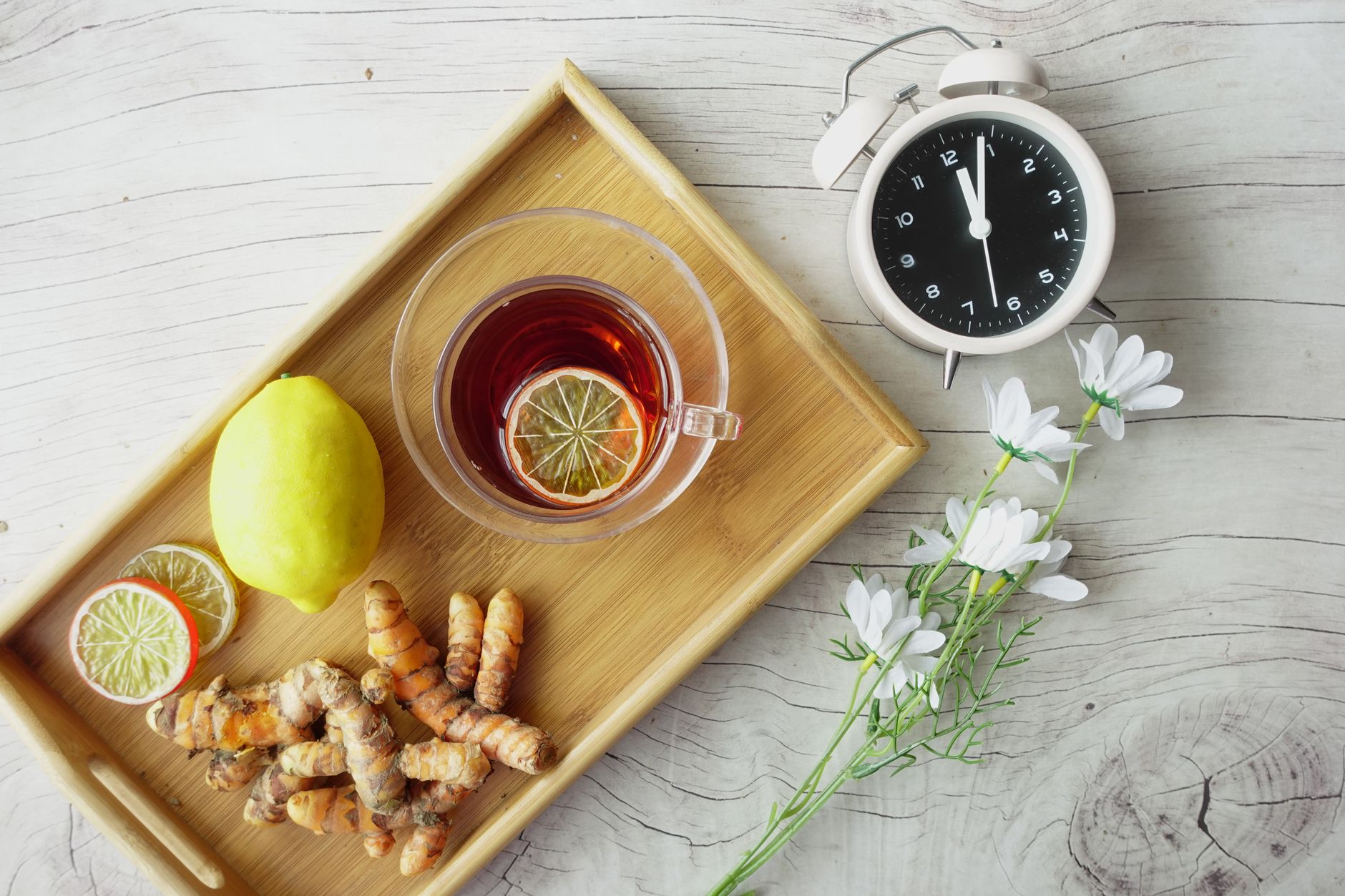
Inflammation is a natural response of the body to injury or infection, but chronic inflammation can lead to various health issues. Adjusting one’s diet is an effective strategy to help manage and reduce inflammation. By incorporating anti-inflammatory foods and understanding which ingredients are beneficial, you can create meals that not only nourish the body but also combat inflammation.
This article explores what helps inflammation in the body through dietary choices, including specific foods, their health benefits, and practical ways to incorporate them into your daily meals.
What Helps Inflammation in the Body?
Several foods and dietary practices have been shown to reduce inflammation in the body. These include a focus on whole, unprocessed foods, rich sources of antioxidants, omega-3 fatty acids, and spices with anti-inflammatory properties. A diet rich in these elements can help lower the body’s inflammatory markers and promote overall health.
Understanding Inflammation
Before diving into the foods that help fight inflammation, it’s beneficial to understand what inflammation is. Acute inflammation is a protective response that occurs when tissues are injured or infected. Conversely, chronic inflammation is long-lasting and can contribute to numerous health issues, including arthritis, heart disease, and even cancer.
Key Ingredients That Help Reduce Inflammation
Incorporating certain foods into your diet can significantly help in managing inflammation. Here are some key ingredients to consider:
- Fruits and Vegetables: Rich in antioxidants and phytochemicals, fruits and vegetables help combat oxidative stress, which is linked to inflammation. Berries, oranges, spinach, and kale are particularly beneficial.
- Whole Grains: Foods like brown rice, quinoa, and whole wheat are high in fiber, which can reduce inflammation and improve gut health.
- Fatty Fish: Salmon, mackerel, sardines, and anchovies are excellent sources of omega-3 fatty acids, known for their anti-inflammatory properties.
- Nuts and Seeds: Walnuts, almonds, chia seeds, and flaxseeds provide healthy fats and antioxidants that can lower inflammatory markers.
- Olive Oil: Extra virgin olive oil is rich in monounsaturated fats and contains oleocanthal, which has effects similar to anti-inflammatory medications.
- Spices: Turmeric and ginger are well-known for their potent anti-inflammatory properties. Curcumin, the active ingredient in turmeric, is particularly effective.
- Legumes: Beans, lentils, and chickpeas are high in fiber and protein, offering anti-inflammatory benefits while promoting satiety.
Incorporating Anti-Inflammatory Foods into Your Diet
Creating meals rich in anti-inflammatory foods doesn’t have to be complicated. Below are practical strategies for meal planning and preparation:
Breakfast Ideas
Starting your day with an anti-inflammatory breakfast can set a positive tone for healthy eating. Here are a few ideas:
- Berry Smoothie Bowl: Blend a mix of frozen berries with spinach, banana, and almond milk. Top with chia seeds, sliced almonds, and fresh berries.
- Overnight Oats: Combine rolled oats with almond milk, chia seeds, honey, and spices like cinnamon. Let sit overnight and top with walnuts and fresh fruit in the morning.
- Avocado Toast: Use whole-grain bread topped with smashed avocado, a sprinkle of flaxseed, cherry tomatoes, and a drizzle of olive oil.
Lunch Ideas
For lunch, incorporating whole grains, greens, and proteins can provide lasting energy while combating inflammation:
- Quinoa Salad: Toss cooked quinoa with diced cucumber, cherry tomatoes, red onion, parsley, and a dressing made from olive oil and lemon juice.
- Lentil Soup: Cook lentils with carrots, celery, onion, garlic, and spices like turmeric and ginger for a hearty, anti-inflammatory meal.
- Vegetable Stir Fry: Sauté broccoli, bell peppers, and snap peas in olive oil with ginger and garlic, and serve over brown rice or quinoa.
Dinner Ideas
For dinner, focus on lean proteins and plenty of colorful vegetables:
- Baked Salmon: Season salmon with lemon juice, garlic, and herbs, then bake until flaky. Serve with a side of steamed broccoli and wild rice.
- Chickpea Curry: Cook chickpeas with onion, tomatoes, and spices like turmeric and cumin. Serve over brown rice for a filling meal.
- Stuffed Peppers: Hollow bell peppers and fill them with a mixture of quinoa, black beans, corn, and spices; bake until tender.
Snack Ideas
Healthy snacks can help keep inflammation at bay. Consider these options:
- Hummus and Vegetables: Pair hummus made from chickpeas with slices of cucumber, carrots, and bell peppers.
- Nut Butter and Apples: Spread almond or peanut butter on apple slices for a satisfying snack.
- Greek Yogurt with Berries: Top unsweetened Greek yogurt with fresh berries and a drizzle of honey.
Cooking Techniques
The way you prepare food can impact its anti-inflammatory properties. Here are some cooking techniques to consider:
- Steaming: Retains more nutrients compared to boiling and is ideal for vegetables, helping to preserve their antioxidant properties.
- Grilling: Enhances flavors without the need for excessive fats. Pair grilled veggies with healthy proteins for a balanced meal.
- Baking: A healthy cooking method that can be used for fish and whole grains. Baking often requires less oil and adds richness through natural flavors.
Practical Substitutions
Experimenting with substitutions can enhance anti-inflammatory benefits. Here are some simple swaps:
- Use quinoa instead of white rice for added fiber and protein.
- Replace table salt with herbs and spices to reduce sodium intake and add flavor.
- Substitute canola oil with extra virgin olive oil for healthier fat.
- Change potato chips for air-fried kale chips for a satisfying crunch without excess fat.
Avoiding Inflammatory Foods
It’s equally important to be aware of foods that can trigger inflammation:
- Sugar and Refined Carbohydrates: Foods high in sugar and white flour can increase inflammatory markers.
- Processed Foods: Many packaged snacks and convenience foods contain additives that may promote inflammation.
- Trans Fats: Found in fried and baked goods, trans fats are known to contribute to inflammation.
- Excessive Alcohol: High consumption can lead to inflammation and is best limited.
Common Mistakes and Troubleshooting
When adjusting your diet to fight inflammation, it’s important to avoid common pitfalls:
- Do not rely solely on supplements for anti-inflammatory benefits; whole foods are more effective.
- Avoid seeing instant results; reducing inflammation takes time and consistency.
- Be cautious with trendy diets; ensure they incorporate a variety of whole foods instead of focusing on one type.
- Consult with a healthcare professional when making significant dietary changes, especially if you have underlying health conditions.
Meal Planning for Anti-Inflammatory Diets
Meal planning can simplify your dietary changes and help maintain consistency. Here are steps to create your anti-inflammatory meal plan:
- Choose a Schedule: Plan your meals a week in advance, deciding which recipes to try each day.
- Make a Shopping List: Focus on whole foods and ingredients high in fiber, antioxidants, and healthy fats.
- Batch Cooking: Prepare large quantities of staples such as grains, beans, and veg to make meal assembly easier.
- Portion Control: Prepare individual portions to help promote balanced eating and prevent overeating.
Storing and Reheating Anti-Inflammatory Foods
Proper food storage and reheating techniques can help maintain nutrients and flavors:
- Store leftovers in airtight containers to prevent spoilage and maintain freshness.
- Use the refrigerator within two hours of cooking to ensure food stays safe.
- Reheat food thoroughly to an internal temperature of 165°F (74°C).
- Some dishes, such as soups or stews, may taste even better the next day, as flavors meld together.
Conclusion
Incorporating anti-inflammatory foods into your diet can lead to improved overall health and well-being. By focusing on whole foods, healthy fats, and plenty of fruits and vegetables, you can effectively manage inflammation. Understanding what to eat and how to prepare these foods will empower you to make lasting dietary changes.
Start exploring more healthy food options by learning about the benefits of chia seeds and if moringa is beneficial for your health. These ingredients can complement your anti-inflammatory diet and enhance your meals.