
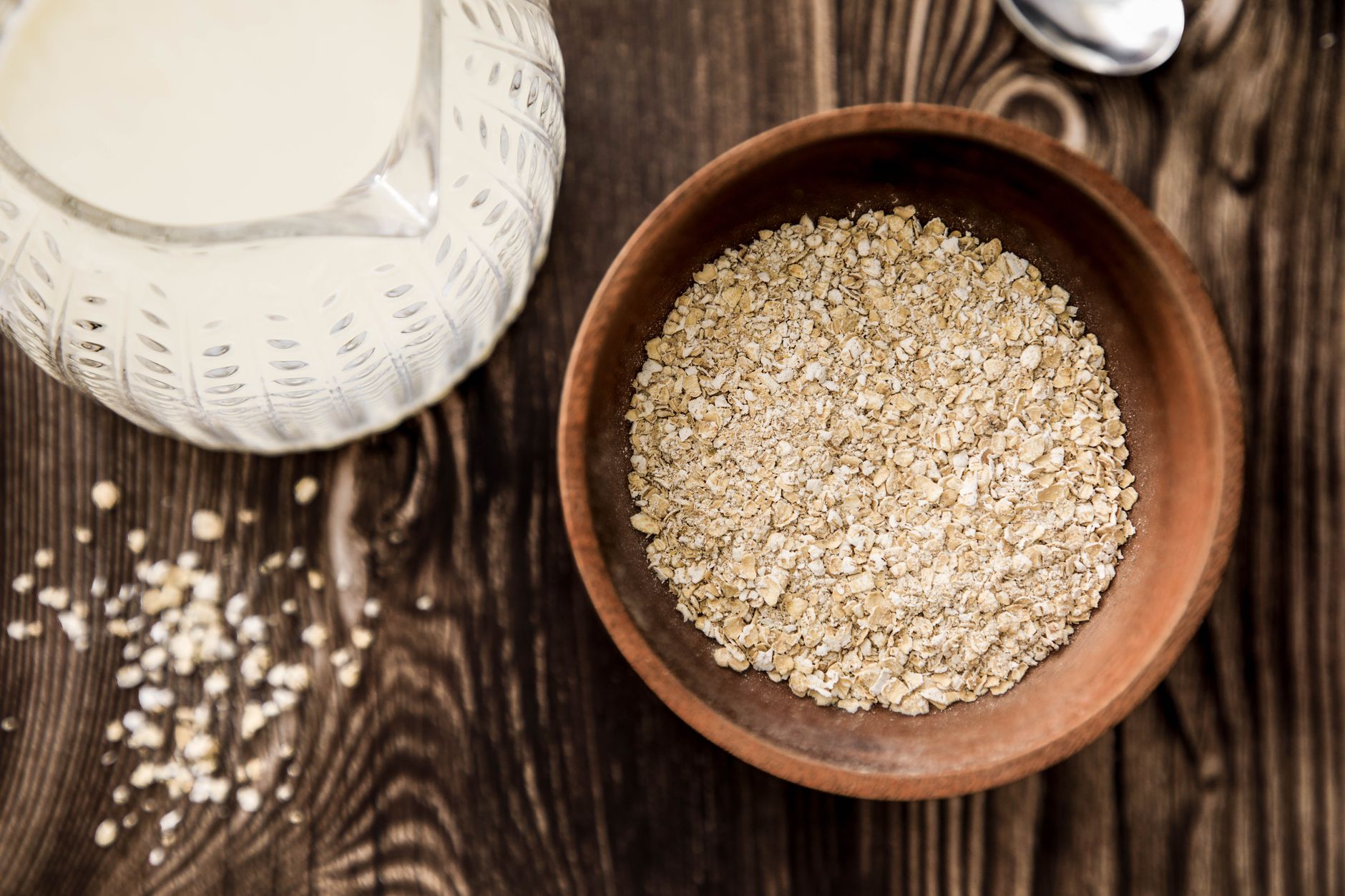
Quaker Oats is a staple in many kitchens around the world, known for their versatility and health benefits. If you or someone in your household is following a gluten-free diet, you might be wondering, “Do Quaker Oats have gluten?” This article will delve deep into Quaker Oats, their gluten status, and crucial allergy information to keep you informed.
Understanding whether Quaker Oats contain gluten is essential for those with celiac disease or gluten sensitivities. We’ll explore the types of oats, how they are processed, and tips for selecting gluten-free options, along with viable alternatives and their uses.
Do Quaker Oats Have Gluten?
Quaker Oats are primarily made from oats, which are inherently gluten-free. However, cross-contamination can occur during processing. To support a gluten-free diet, Quaker provides options labeled specifically as gluten-free, ensuring safer consumption for those with gluten intolerance.
Understanding Oats and Gluten
Oats come from the oat plant and are naturally gluten-free. The confusion arises due to their processing methods. Many oats are processed in facilities that also handle wheat, barley, and rye, all of which contain gluten. This can lead to cross-contamination, making some oat products unsafe for gluten-sensitive individuals.
What Exactly Is Gluten?
Gluten is a protein found in certain grains, including wheat, barley, and rye. It helps foods maintain their shape, acting as a glue that holds food together. For people with celiac disease or gluten sensitivities, consuming gluten can trigger various health issues, making it vital to avoid any gluten-containing products.
Quaker Oats Gluten-Free Options
If you are looking for oats that are safe for gluten-free diets, Quaker offers a range of gluten-free oat products. These oats are produced with strict protocols to avoid gluten contamination.
- Quaker Gluten-Free Instant Oatmeal
- Quaker Gluten-Free Old-Fashioned Oats
- Quaker Gluten-Free Quick Oats
How Are Gluten-Free Oats Made?
Gluten-free oats undergo a special process to ensure they are not contaminated. They are grown, harvested, and processed separately from gluten-containing grains. These oats are then tested for gluten levels to ensure they meet safety standards, usually containing less than 20 parts per million of gluten, which is considered safe for most people with gluten sensitivities.
Choosing the Right Oats
When selecting oats, look for labels that explicitly state “gluten-free.” This ensures you are choosing products that have not come into contact with gluten-containing grains during processing. If you are unsure, consider reaching out to the manufacturer for more information on their gluten-free measures.
How to Identify Gluten-Free Oats
- Look for the “gluten-free” label on the packaging.
- Check for certifications from recognized gluten-free organizations.
- Review the ingredients list; oats should be the only ingredient listed.
Flavor and Texture of Quaker Oats
Quaker Oats come in various forms, each offering unique flavor and texture profiles. Understanding these differences can help you choose the right oat type for your recipes.
Types of Quaker Oats
- Old-Fashioned Rolled Oats: Thick, chewy, and ideal for cookies, granola, and overnight oats.
- Quick Oats: Finely processed for quicker cooking, which makes them suitable for instant oatmeal and baking.
- Instant Oats: Pre-cooked oats that only require hot water, perfect for a fast breakfast.
- Steel-Cut Oats: Coarser texture with a nutty flavor; they take longer to cook, providing a heartier meal.
Practical Uses for Quaker Oats in Cooking
Quaker Oats are incredibly versatile and can be used in a wide variety of recipes. Here are some practical applications:
Breakfast Recipes
- Overnight Oats: Combine rolled oats with your favorite milk and let them sit overnight with fruits and toppings.
- Oatmeal Cookies: Use old-fashioned oats as a base for chewy cookies, enhancing their texture and nutritional value.
- Pancakes: Incorporate oat flour into pancake batter for added fiber and flavor.
Baking Applications
- Substitute for Breadcrumbs: Ground oats can serve as a gluten-free alternative to breadcrumbs in meatballs or coatings.
- Thickening Agent: Use oats to thicken soups and stews naturally.
- Granola Bars: Create homemade granola bars with oats, nuts, and sweeteners for a healthy snack.
Alternatives to Quaker Oats
If you want to try alternatives to Quaker Oats or are looking for different textures and flavors, there are several options available:
- Rice Oats: Offers a unique flavor and is an excellent gluten-free breakfast option.
- Quinoa Flakes: A high-protein alternative that enriches your dishes.
- Millet Flakes: Mild in flavor and a good source of fiber, perfect for breakfast.
- Barley: Traditionally contains gluten, but may be found in a gluten-free form when strictly processed.
Using Alternatives in Recipes
When substituting alternatives for Quaker Oats, note that cooking times, textures, and flavors may vary. You may need to adjust liquid amounts or cooking durations to achieve your desired consistency or flavor.
Storage and Shelf Life of Quaker Oats
Properly storing your oats can maximize freshness and prevention of rancidity. Here are some practical tips for storage:
- Keep oats in a cool, dry place. A pantry or cupboard is usually sufficient.
- Use airtight containers to maintain freshness and prevent moisture absorption.
- If opened, store oats away from strong-smelling items to avoid flavor absorption.
Shelf Life
When stored properly, rolled oats can last for 6-12 months, while steel-cut oats may last up to 2 years. Always check for any signs of spoilage, such as off-smells, flavor changes, or visible mold.
Common Mistakes and Troubleshooting
Cooking oats might sound simple, but there are some common mistakes to avoid:
- Overcooking: Be careful not to overcook oats, resulting in a mushy texture.
- Not Using Enough Liquid: Insufficient liquid can lead to dry oats; always follow the package instructions for correct ratios.
- Skipping Seasoning: Oats benefit from a little salt or spice, enhancing their flavor significantly.
Allergy Notes
If you have allergies or are cooking for someone who does, pay attention to ingredient labels. Always ensure that oats are gluten-free and check for other potential allergens such as nuts or dairy, especially in flavored versions of oatmeal.
Cross-Contamination Awareness
Cross-contamination is a significant concern for those with celiac disease. Only choose oats from brands that guarantee a gluten-free product and follow strict manufacturing protocols. If uncertain, avoid the product.
Conclusion
In summary, Quaker Oats are a versatile food option that can be a part of a gluten-free diet when choosing gluten-free labeled products. Proper sourcing, storage, and usage of oats can enhance your culinary adventures. Whether using old-fashioned oats for baking or instant oats for quick breakfasts, make thoughtful choices to maintain a safe and enjoyable diet.
For those interested in alternatives or new recipes, consider exploring options such as gluten-free rice or delicious gluten-free cupcake recipes. Discover more about the world of gluten-free cooking with these resources: Is Basmati Rice Gluten-Free? and Gluten-Free Cupcake Recipe.