
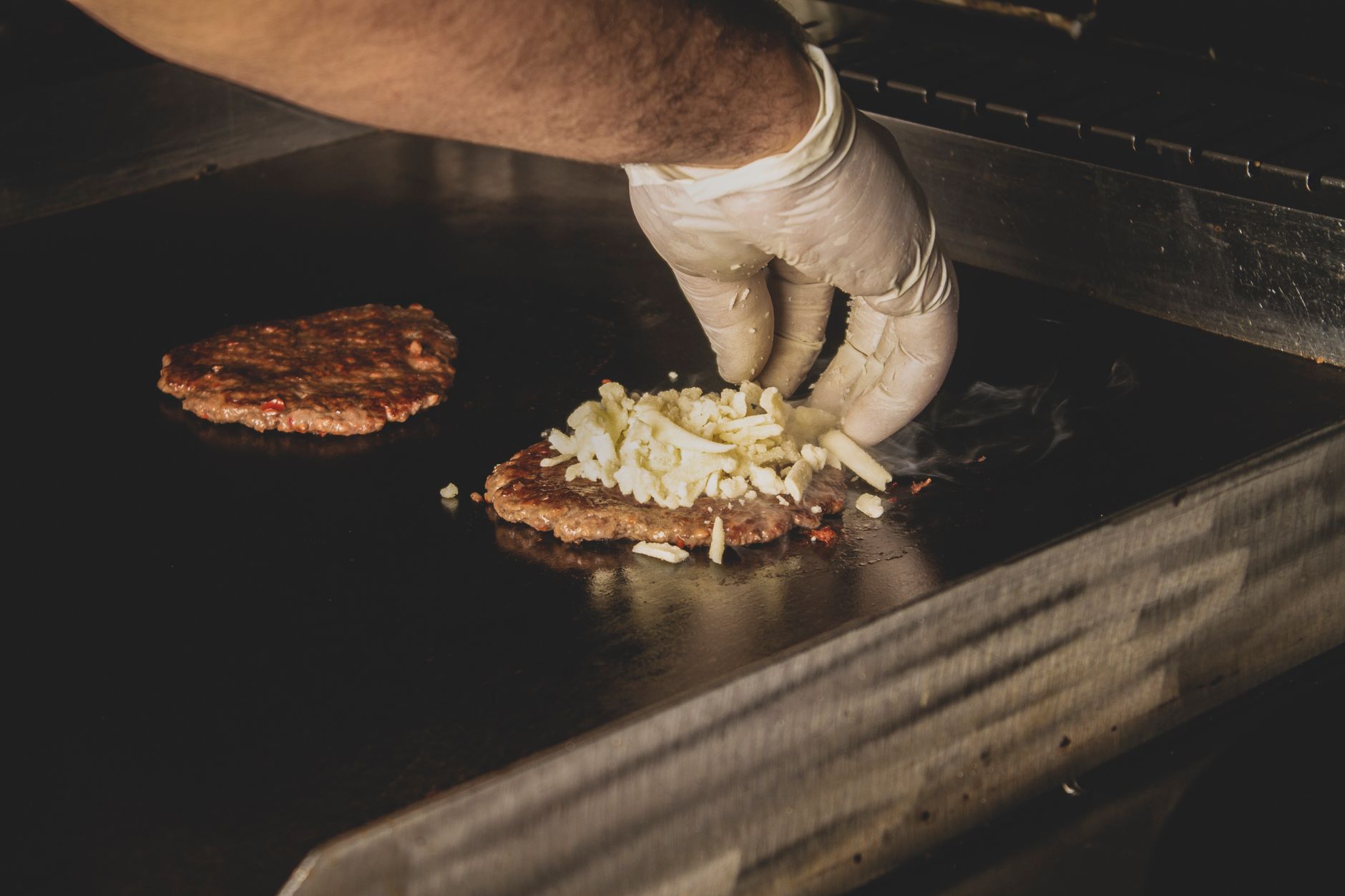
Understanding the nutritional value of a hamburger patty is crucial for balancing dietary needs, especially for those seeking protein sources. Hamburger patties are not just popular for their flavor; they are also packed with nutrients, particularly protein, which is essential for muscle repair and overall health.
This article will explore how much protein is in a hamburger patty, variations in protein content based on preparation methods, different types of beef, and tips for incorporating them into meals. Let’s dive into the details!
How Much Protein in Hamburger Patty?
A typical 4-ounce hamburger patty made from 80% lean ground beef contains about 22 grams of protein. The actual amount can vary depending on the fat content of the beef and the method of preparation. For example, leaner cuts of beef will yield a higher protein concentration.
Protein is a vital macronutrient that plays a key role in muscle growth, tissue repair, and overall health. Hamburgers are a convenient way to incorporate quality protein into your diet, making them a popular meal choice for many. Below, we will delve deeper into the specifics of protein content in various types of hamburger patties.
Factors Affecting Protein Content in Hamburger Patties
Type of Meat
The type of beef used significantly influences the protein content of a hamburger patty. Here are some common choices:
- Ground Chuck: Typically contains 80% lean meat and 20% fat; has about 22 grams of protein per 4-ounce patty.
- Ground Round: Contains about 85% lean meat and 15% fat; yields approximately 24 grams of protein per 4-ounce serving.
- Ground Sirloin: Contains about 90% lean meat and 10% fat; offers around 26 grams of protein per 4-ounce patty.
- Extra Lean Ground Beef: Contains 93% lean meat; packs about 27 grams of protein in a 4-ounce serving.
Cooking Method
The way you cook and prepare your hamburger patty can also impact its protein content. Here are some common cooking methods and how they may affect nutrition:
- Grilling: Often decreases fat content while retaining protein. Also, grilling can add flavor without any additional calories.
- Pan-Frying: May add extra fat, especially if cooking with oil, impacting overall calorie intake while still providing protein.
- Baking: A healthier option that reduces added fats while effectively cooking the patty.
- Broiling: Similar to grilling; retains protein while allowing fat to drip away.
Portion Size
The size of the hamburger patty will directly relate to the protein content. Standard servings vary from 4 ounces to larger sizes like 6 or 8 ounces. Here is a simple breakdown:
| Patty Size (oz) | Protein Content (g) |
|---|---|
| 4 | 22-27 |
| 6 | 33-40 |
| 8 | 44-53 |
Other Nutrients in a Hamburger Patty
In addition to protein, a hamburger patty provides several key nutrients:
- Iron: Essential for blood production, beef is a good source of heme iron, which is more readily absorbed by the body than non-heme iron from plant sources.
- Zinc: Supports immune function and is crucial for protein synthesis.
- B Vitamins: Includes B12 (important for nerve function and blood formation) and riboflavin, which helps the body convert food into energy.
How to Maximize Protein Content
If you’re looking to increase the protein content of your hamburger patty, consider the following tips:
- Choose Lean Cuts: Opt for ground beef with a higher lean percentage.
- Add Protein Boosters: Mix in ingredients like cooked quinoa or finely chopped spinach, which add protein and nutrients.
- Serve with High-Protein Toppings: Include toppings like cheese (especially cottage or ricotta), eggs, or beans to increase overall protein on your burger.
Common Mistakes When Cooking Hamburger Patties
Even though cooking a hamburger patty might seem straightforward, several common pitfalls can lead to disappointing outcomes:
- Overmixing the Meat: Mixing too much can make the patties tough. Instead, gently form the patties without overworking the meat.
- Improper Cooking Temperatures: Undercooking can raise food safety concerns, while overcooking can dry out the patty. Use a meat thermometer to ensure the internal temperature reaches at least 160°F (71°C).
- Inadequate Resting Time: Let patties rest after cooking to allow juices to redistribute, enhancing flavor and moisture.
Cooking Techniques for Delicious Hamburger Patties
Employing the right cooking techniques can elevate your hamburger patty experience.
Grilling
Grilling is a popular method due to the smoky flavor imparted to the patty. Here’s how to do it:
- Preheat the grill to medium-high heat.
- Form your patties and season them simply with salt and pepper.
- Place on the hot grill and cook for 3-4 minutes on one side.
- Flip the patties and cook for another 3-4 minutes until they reach the desired doneness.
Pan-Frying
Pan-frying can produce a delicious crust on the patty. Follow these steps for best results:
- Heat a nonstick skillet over medium heat and add a light coating of oil.
- Carefully place the burger patties into the hot skillet.
- Cook for 4-5 minutes without moving them to develop a nice sear.
- Flip the patty and cook for an additional 3-4 minutes or until desired doneness is reached.
Healthy Alternatives to Traditional Hamburger Patties
If you need a healthier or alternative option, consider these variations:
- Turkey Patties: Leaner than beef, ground turkey offers about 25 grams of protein per 4-ounce serving.
- Veggie Burgers: Made from black beans, lentils, or chickpeas, these can be a great protein source, though protein content will vary by recipe. Aim for 15-20 grams of protein per serving depending on ingredients.
- Chicken Patties: Ground chicken offers about 24 grams of protein per 4-ounce serving and can be a leaner option.
Meal Planning with Hamburger Patties
Incorporating hamburger patties into your meal plan can be an excellent way to ensure a protein-rich diet. Here are some ideas to consider:
- Family Cookouts: Prepare several patties in advance for easy grilling or pan-frying when friends and family visit.
- Quick Dinners: Cook extra patties for meal prep, and use them throughout the week in salads, wraps, or sandwiches.
- Creative Recipes: Use patties in non-traditional ways, such as crumbled over spaghetti or as a pizza topping.
Storage Tips for Hamburger Patties
Proper storage is essential for keeping hamburger patties fresh and safe to eat:
- Refrigeration: Store uncooked patties in an airtight container in the refrigerator for up to two days.
- Freezing: Freeze uncooked patties by placing parchment paper between them to prevent sticking. They can last for up to 3 months in the freezer.
- Cooking and Storing Cooked Patties: Cooked patties can be refrigerated for up to three days. Reheat to an internal temperature of 165°F (74°C) before consuming.
By understanding the protein content and nutritional value of hamburger patties, you can make informed choices that enhance your diet and cooking repertoire. Explore the options, be creative with meal planning, and savor the satisfaction of enjoying perfectly cooked hamburger patties!
If you are curious about how long ground beef is good for in the fridge, learn more about it here. Additionally, for information on the protein content in ground beef, check out details here.