
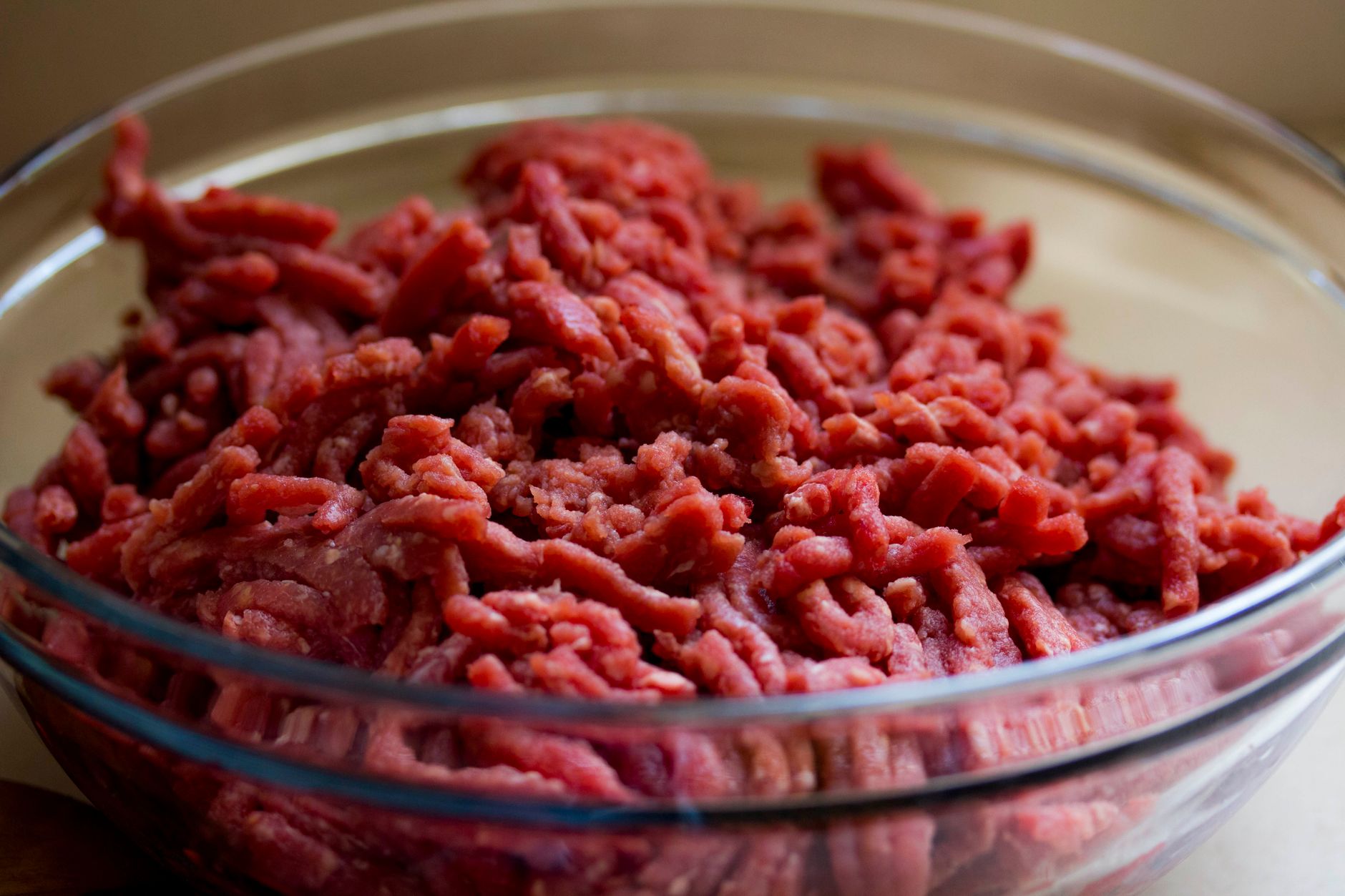
Ground beef is a staple ingredient in many kitchens because of its versatility and delicious flavor. It can be used in various dishes, from hearty burgers to comforting casseroles. One key aspect that many people consider when including ground beef in their meals is its protein content.
This article will delve deeply into how much protein is in ground beef, its nutritional benefits, cooking methods, and tips for incorporating it into your diet. We will also explore alternative options for those pursuing various dietary preferences.
How Much Protein Is In Ground Beef?
Ground beef typically contains about 22 to 26 grams of protein per 3-ounce cooked serving, depending on the fat content. Leaner cuts offer higher protein density with less fat, making it a popular choice among those looking to boost their protein intake without excessive calories.
The Nutritional Profile of Ground Beef
Ground beef is not just a good source of protein; it also provides several other essential nutrients. Here’s a closer look at the nutritional composition of ground beef:
- Protein: 22-26 grams per 3-ounce serving, depending on fat content.
- Fats: Ranges from 10-20 grams, with lean ground beef containing less fat.
- Vitamins: Rich in B vitamins, particularly vitamin B12 which is crucial for energy production and brain health.
- Minerals: A good source of iron, zinc, and selenium, which support immune function and overall health.
Types of Ground Beef and Their Protein Content
The protein content in ground beef can vary depending on the cut of meat used and its fat content. Here’s a breakdown of different types of ground beef:
- Regular Ground Beef (70% lean, 30% fat): Approximately 22 grams of protein per 3-ounce serving.
- Ground Chuck (80% lean, 20% fat): Provides about 24 grams of protein per 3-ounce serving.
- Ground Round (85% lean, 15% fat): Contains roughly 26 grams of protein per 3-ounce serving.
- Ground Sirloin (90% lean, 10% fat): Offers about 27 grams of protein per 3-ounce serving.
Why Choose Ground Beef for Your Protein Needs?
Ground beef is an excellent option for anyone looking to increase their protein intake for several reasons:
- Complete Protein Source: Ground beef contains all nine essential amino acids needed for muscle growth and repair.
- Satiety: High-protein foods help you feel fuller for longer, making it easier to manage weight.
- Versatility: Ground beef can be used in an array of dishes, from tacos to meatloaf, allowing for creative meal planning.
Cooking Methods that Preserve Protein
To maximize the nutritional benefits of ground beef, it’s essential to use cooking methods that retain its protein and overall quality. Here are a few popular cooking techniques:
1. Grilling
Grilling is an excellent way to cook ground beef patties while allowing excess fat to drip away. This method not only preserves the protein content but also enhances flavor.
2. Pan-Frying
Pan-frying ground beef in a skillet will cook it quickly while retaining most of its protein. Use moderate heat and avoid overcooking, which can lead to a dry texture.
3. Baking
Baking ground beef in a casserole or meatloaf allows for an even cook and helps retain moisture, ensuring that the protein remains intact.
4. Slow Cooking
Slow cooking ground beef in a sauce or soup allows flavors to meld and can lead to tender results. This method is ideal for dishes that benefit from prolonged cooking.
Practical Tips for Cooking Ground Beef
Here are some important tips to keep in mind when cooking ground beef to maintain its protein content and flavor:
- Don’t Overcook: Cooking ground beef just until it reaches an internal temperature of 160°F is key. Overcooking can lead to dry meat and diminished nutrients.
- Use Lean Cuts: Choose lean ground beef options whenever possible to reduce fat intake while maximizing protein.
- Drain Excess Fat: For higher-fat ground beef, drain the grease after cooking to lower calorie counts and fat content.
Incorporating Ground Beef Into a Balanced Diet
Ground beef can fit well into various dietary patterns. Here are some meal ideas that highlight its versatility and nutritional value:
1. Tacos
Use ground beef as the main filling for tacos, topped with fresh vegetables and a sprinkle of cheese. This meal is quick, easy, and protein-rich.
2. Stir-Fries
Add ground beef to stir-fried vegetables for a quick weeknight dinner that combines protein with essential nutrients.
3. Meat Sauces
Incorporate ground beef in sauces for pasta, such as spaghetti bolognese, providing a hearty protein source.
4. Casseroles
Mix ground beef with rice, beans, and vegetables for a one-dish meal that’s satisfying and nutritious.
Potential Substitutions for Ground Beef
If you’re looking to switch things up, consider these substitutes that can be used in place of ground beef:
- Ground Turkey: A lean alternative that also offers a good amount of protein, with about 24 grams per 3-ounce portion.
- Ground Chicken: Lower in fat compared to ground beef, it provides approximately 23 grams of protein per 3-ounce serving.
- Vegetarian Options: Beans, lentils, and textured vegetable protein (TVP) can be used as protein sources in many dishes, though they may not have the same flavor profile as beef.
Understanding the Impact of Fat Content
Fat content influences not just the taste of ground beef but also its nutritional value. Here’s what you should know:
- Calories: Higher fat content increases calories, impacting your diet if you’re watching your caloric intake.
- Flavor: More fat often means more flavor. Moderate fat is necessary for juicy, flavorful results.
- Health Considerations: Lower fat options can be beneficial for heart health while still providing sufficient protein.
Storage and Safety Tips for Ground Beef
Proper handling and storage of ground beef are crucial for maintaining safety and quality:
- Refrigeration: Store raw ground beef in the refrigerator at 40°F or below and use within 1-2 days.
- Freezing: Ground beef can be frozen for 3-4 months. Wrap it tightly to prevent freezer burn.
- Thawing: Thaw frozen ground beef in the refrigerator or microwave, not at room temperature, to avoid bacterial growth.
- Cooking Temperature: Always cook ground beef to a minimum internal temperature of 160°F to ensure safety.
Conclusion
Ground beef remains a popular choice for adding protein and flavor to various dishes. With its high protein content and nutritional benefits, it can be a valuable component of a balanced diet. By understanding the different types of ground beef, cooking methods, and how to properly store it, you can make informed choices about incorporating it into your meals.
For those looking to explore how long ground beef can be stored, check our guide on how long ground beef is good for in the fridge. If you’re interested in a delicious recipe to try, our Mongolian ground beef recipe offers a flavorful and easy meal option. Explore these resources to further enhance your culinary skills and knowledge!