
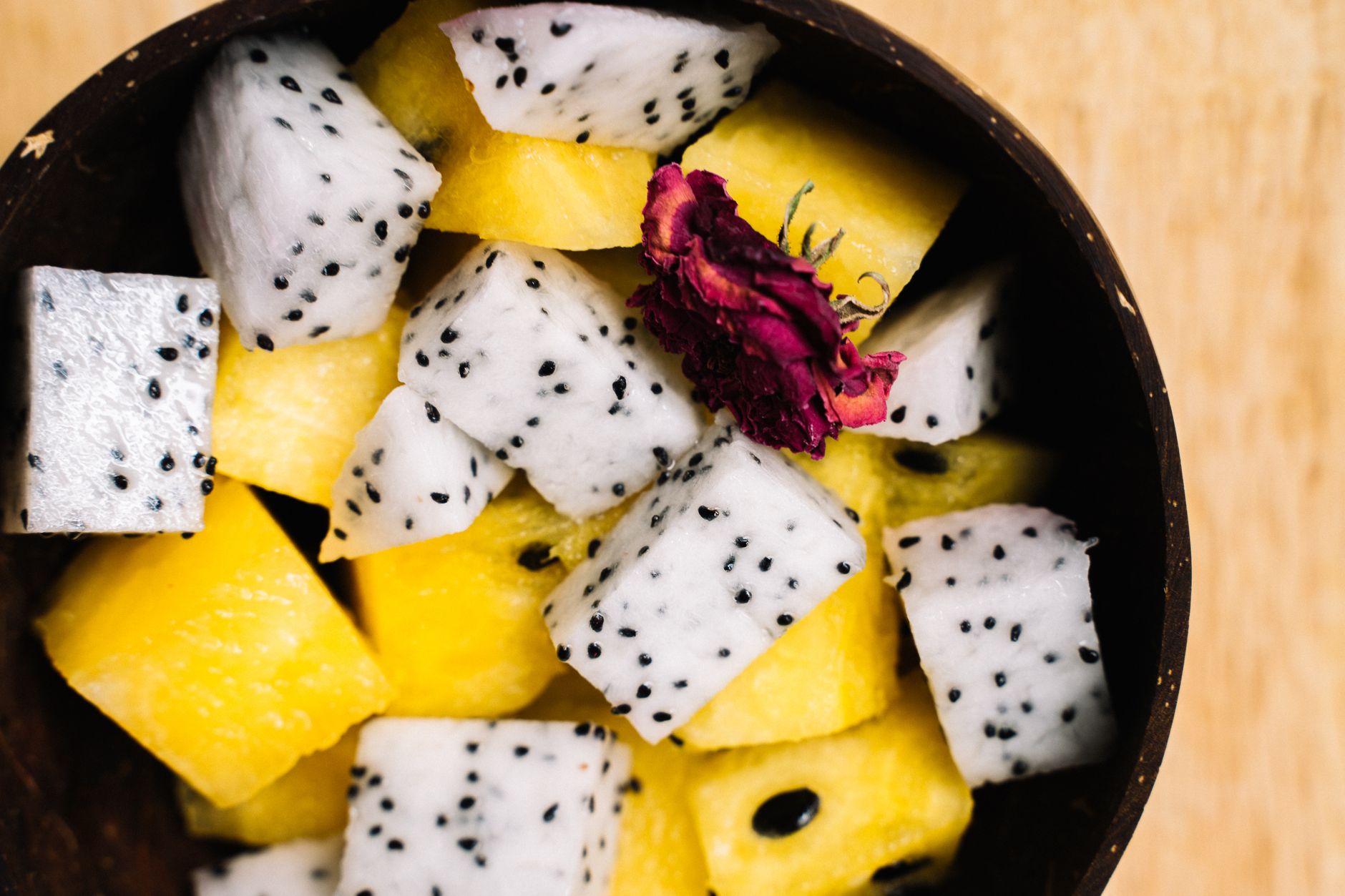
Yellow dragon fruit, also known as pitaya, is a tropical fruit that has gained popularity worldwide for its striking appearance and unique flavor. With a vibrant yellow skin and speckled flesh, it offers an exotic taste experience. In this article, we will delve into the intricate flavor profile and texture of yellow dragon fruit to help you understand what to expect when trying it.
Understanding the taste of this intriguing fruit can broaden your culinary horizons, inspiring you to incorporate it into various dishes or enjoy it on its own. Its exotic appeal and delightful flavor make it an excellent choice for refreshing summer salads, smoothies, and desserts.
What Does Yellow Dragon Fruit Taste Like?
Yellow dragon fruit is often described as having a mildly sweet and subtle flavor that lies somewhere between a kiwi and a pear. Its taste is refreshing, with hints of tropical notes that make it enjoyable to eat. The texture is smooth and somewhat creamy, contrasting with the crunchiness of the small black seeds found within the flesh.
Flavor Profile
The flavor profile of yellow dragon fruit is delicate and nuanced. Here are the key components:
- Sweetness: The fruit is mildly sweet, making it a delightful addition to snacks and desserts.
- Tropical notes: There are hints of tropical flavors, which can remind one of melons or peaches.
- Earthiness: A subtle earthiness underpins its sweet notes, lending complexity to its flavor.
- Creaminess: The flesh has a creamy texture that adds to the overall tasting experience.
Texture of Yellow Dragon Fruit
The texture of yellow dragon fruit is a significant part of its appeal. Here’s what you can expect:
- Firm yet tender: The flesh is firm to the bite, but it also yields tenderly, providing a satisfying mouthfeel.
- Creamy interior: The flesh has a creamy texture that feels smooth as it melts in your mouth.
- Crunchy seeds: The small black seeds add a pleasant crunch, balancing the creamy consistency of the fruit.
How to Choose and Store Yellow Dragon Fruit
When selecting yellow dragon fruit, the following tips can help you choose ripe and flavorful specimens:
- Exterior color: Look for vibrant yellow skin without blemishes or dark spots.
- Feel: A ripe fruit should yield slightly when pressed, indicating softness inside.
- Shape: Choose specimens that are plump and rounded rather than flat or shriveled.
Storage Tips
Proper storage can help preserve the fruit’s quality:
- Room temperature: Unripe yellow dragon fruit can be left at room temperature until ripe. Check it daily.
- Refrigeration: Once ripened, store the fruit in the refrigerator to prolong freshness for up to a week.
- Cut fruit: If you cut the fruit, wrap it tightly in plastic wrap or store it in an airtight container in the fridge, where it can last for a few days.
How to Prepare Yellow Dragon Fruit
Preparing yellow dragon fruit is straightforward. Here’s how you can enjoy this fruit:
- Wash the outer skin thoroughly under running water to remove any dirt or residue.
- Use a sharp knife to slice the fruit in half lengthwise.
- With a spoon, scoop out the flesh from each half. The flesh should easily detach from the skin.
- Cut the flesh into cubes or slices, depending on your preference.
- Enjoy it fresh, or add it to smoothies, salads, or desserts.
Ways to Use Yellow Dragon Fruit
Yellow dragon fruit can be incorporated into various dishes, enhancing both flavor and presentation:
- Salads: Add cubed yellow dragon fruit to fruit salads for a sweet and colorful twist.
- Smoothies: Blend the flesh with other fruits like banana, mango, or spinach for a nutrient-packed drink.
- Desserts: Use it as a topping for yogurt, ice cream, or in fruit tarts to add vibrancy.
- Salsas: Mix diced yellow dragon fruit with cilantro, lime, and jalapeños for an exotic salsa.
Nutritional Value of Yellow Dragon Fruit
Though we won’t delve into exact nutrition numbers without reliable sources, it’s helpful to note that yellow dragon fruit is low in calories and rich in vitamins C and B, antioxidants, and essential nutrients. It can be a valuable addition to a balanced diet.
Common Mistakes When Preparing and Eating Yellow Dragon Fruit
To fully enjoy yellow dragon fruit and avoid common pitfalls, keep the following tips in mind:
- Overripe fruit: Eating overly ripe yellow dragon fruit may lead to a mushy texture and less desirable taste.
- Ignoring seeds: The black seeds are entirely edible and add crunch. Don’t discard them.
- Serving temperature: Dragon fruit is best served chilled, as this enhances its refreshing qualities.
Frequently Asked Questions
Can you eat the skin of yellow dragon fruit?
No, the skin of yellow dragon fruit is not edible. Focus on the soft flesh inside, which is both sweet and nutritious.
Does yellow dragon fruit have any health benefits?
Yes, yellow dragon fruit is rich in antioxidants, vitamins, and minerals, contributing to a healthy diet. However, it is always recommended to maintain a balanced diet alongside regular medical advice.
Recipe Ideas Featuring Yellow Dragon Fruit
Here are a few delicious recipe ideas to incorporate yellow dragon fruit into your meals:
Yellow Dragon Fruit Smoothie
- 1 cup chopped yellow dragon fruit
- 1 banana
- 1/2 cup coconut milk
- 1 tablespoon honey (optional)
Blend all ingredients in a blender until smooth. Serve immediately for a refreshing drink.
Yellow Dragon Fruit Salad
- 2 cups chopped yellow dragon fruit
- 1 cup diced pineapple
- 1/2 cup shredded coconut
- Juice of 1 lime
Combine all ingredients in a mixing bowl. Toss gently and serve chilled.
Conclusion
Yellow dragon fruit is a visually stunning and delicious tropical fruit that offers a mild sweetness and unique texture. Understanding its flavor profile, preparation, and storage can enhance your culinary adventures. Experiment with recipes to uncover the many ways you can enjoy this enticing fruit.
Explore more about how to cut a dragon fruit or learn more about dragon fruit’s taste.