
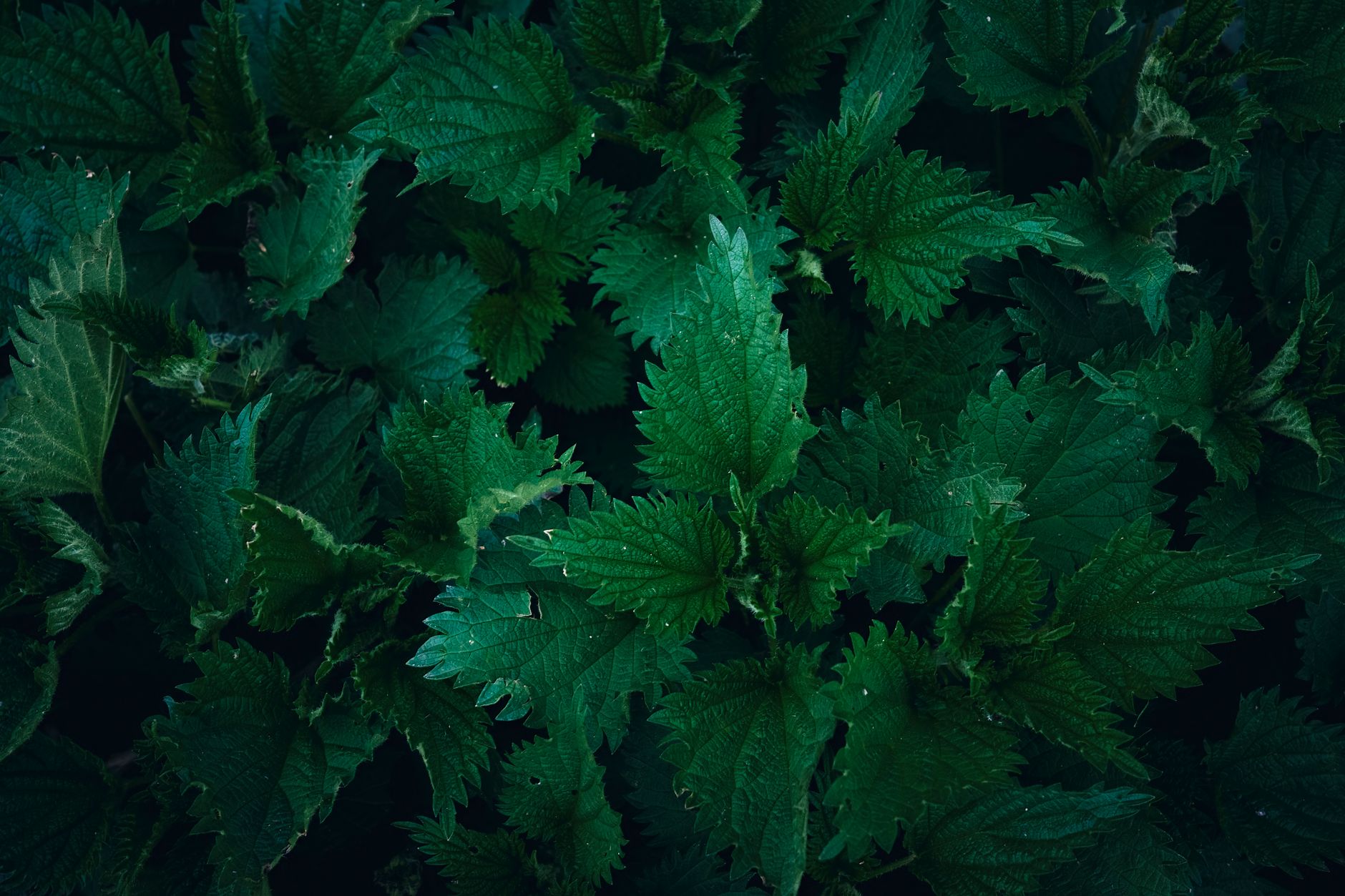
Nettle leaf, often overlooked in the realm of cooking, is a powerhouse of flavor and nutrition. Derived from the Urtica dioica plant, these greens have a storied history in culinary practices and traditional medicine. Their distinct earthy, slightly sweet taste can elevate various dishes, making nettle leaf an ingredient worth exploring.
This article will delve into what nettle leaf is, its flavor profile, culinary uses, nutrition, and how to serve it. Whether you’re looking to incorporate it into meals or simply curious about this unique herb, we’ll provide all the details you need.
What Is Nettle Leaf?
Nettle leaf comes from the stinging nettle plant, which is known for its hair-like structures that can cause a sting when touched. Despite its intimidating nature, the leaves become safe to consume when cooked or dried. The leaves are typically harvested in spring when they are young and tender.
Beyond its use in cooking, nettle leaf has been recognized for its medicinal properties for centuries. It’s rich in vitamins A, C, K, and several B vitamins, as well as minerals like iron, calcium, magnesium, and potassium. This nutrient density adds to its appeal as a versatile green in both traditional and modern cuisines.
Flavor Profile of Nettle Leaf
The flavor of nettle leaf is often compared to that of spinach, though it boasts a more robust and earthy undertone. When cooked, the leaves lose their sting and transform into a soft, slightly sweet vegetable, making them suitable for a variety of dishes. Fresh nettles have a slightly grass-like taste, with a hint of bitterness that can be diminished through proper cooking techniques.
Culinary Uses of Nettle Leaf
Nettle leaf can be used in an array of dishes, similar to how one might use spinach or kale. Here are some popular ways to incorporate nettle leaf into your cooking:
- Soups: Nettle leaf can be transformed into a hearty soup, adding depth and nutrition. Pair it with potatoes and onions for a simple yet comforting dish.
- Teas: Dried nettle leaves make an excellent herbal tea with numerous health benefits.
- Pesto: Blend nettle leaves with nuts, cheese, garlic, and oil for a unique take on traditional pesto.
- Vegetable Dishes: Stir-fry nettle leaves with garlic and olive oil, or incorporate them into vegetable medleys.
- Frittatas and Eggs: Add cooked nettles to frittatas or egg dishes for extra flavor and nutrition.
Nettle Leaf in Soups
Nettle leaf soups are a popular dish in various cultures, particularly in Europe. The leaves impart a lovely green color and a complex flavor that can elevate a simple broth.
How to Prepare Nettle Leaf
Handling nettle leaf requires caution due to its stinging properties. However, preparing them for consumption is straightforward. Here’s how to do it:
- Harvesting: If you’re foraging for nettles, wear gloves and long sleeves to avoid being stung. Only pick young, tender leaves, usually found at the top of the plant.
- Washing: Gently rinse the nettles under cold water to remove any dirt or insects.
- Cooking: Boil or steam the leaves for 1-2 minutes to neutralize the sting. This cooking process can be used in various recipes.
- Drying: If you want to use nettles in tea or cooking later, dry them in a cool, dark place and store them in an airtight container.
Nettle Leaf in Teas
Dried nettle leaves can be steeped in hot water to create a nutritious herbal tea. Nettle tea has a mild, grassy flavor and can be enjoyed plain or with a dash of lemon and honey. To make nettle tea:
- Place 1-2 teaspoons of dried nettle leaves in a teacup or teapot.
- Pour boiling water over the leaves and steep for about 5-10 minutes.
- Strain the leaves and enjoy your refreshing tea.
Health Benefits of Nettle Leaf
While this article focuses on culinary uses, nettle leaf is also renowned for its potential health benefits. It’s often associated with anti-inflammatory properties and is sometimes used to address allergies, support urinary health, and provide nourishment to skin and hair.
However, it is critical to consult with a healthcare provider for personalized medical advice before utilizing nettle for health purposes.
How to Serve Nettle Leaf
Nettle leaf can be served in many ways, depending on how you prepare it. Here are some popular serving suggestions:
- As a Side: Serve cooked nettle leaves as a side dish, seasoned with garlic, olive oil, salt, and pepper.
- In Salads: Lightly steamed nettle leaves can be mixed with other greens or added to grain salads.
- In Pastas: Incorporate finely chopped nettle leaves into pasta dishes for added color and flavor.
- As a Spread: Add pureed nettles to cream cheese or Greek yogurt to create a vibrant spread for crackers.
Storing Nettle Leaf
If you have leftover nettle leaves, proper storage ensures they remain fresh and usable. Here are storage tips:
Fresh Nettle Leaves: Store fresh nettle leaves in a plastic bag in the refrigerator, where they can last up to a week. Ensure that the leaves are dry before storing to prevent spoilage.
Dried Nettle Leaves: Keep dried nettle leaves in a cool, dark place, in an airtight container. They can last for several months.
Common Mistakes When Using Nettle Leaf
As you start using nettle leaf, be mindful of these common pitfalls:
- Forgetting to Cook: Always cook nettle leaves before consumption to neutralize their stings and make them palatable.
- Choosing Mature Leaves: Opt for young leaves, as mature nettles can become tougher and more bitter.
- Overcooking: Avoid overcooking nettles to preserve their flavor, color, and nutrients—just a few minutes of steaming or boiling is sufficient.
Substitutions for Nettle Leaf
If you can’t find nettle leaf or want to try other greens, consider these substitutions:
- Spinach: A common alternative with a similar taste and texture, though it’s milder.
- Kale: Another nutritious leafy green that can hold up well in soups and sautés.
- Swiss Chard: Offers a slightly different flavor but works well in similar dishes.
Recipes Featuring Nettle Leaf
Incorporating nettle leaf into your meals can enhance flavors and introduce new tastes to your cooking routines. Here are a few recipe ideas:
Nettle Leaf Soup Recipe
This warming nettle leaf soup is a simple, nutritious way to enjoy this remarkable ingredient.
Servings: 4
Preparation Time: 10 minutes
Cooking Time: 20 minutes
Total Time: 30 minutes
Ingredients:
- 2 tablespoons olive oil
- 1 onion, chopped
- 2 garlic cloves, minced
- 4 cups vegetable broth
- 5 cups fresh nettle leaves (tender parts only)
- Salt and pepper to taste
- 1/2 cup heavy cream (optional)
Instructions:
- Heat the olive oil in a large pot over medium heat. Add the onion and garlic and sauté until the onion is translucent.
- Add the vegetable broth and bring to a boil.
- Add the nettle leaves and simmer for about 10 minutes, until the leaves are tender.
- Using an immersion blender, carefully puree the soup until smooth. If you don’t have an immersion blender, allow the soup to cool slightly, then transfer it to a blender in batches.
- Return the soup to the pot, season with salt and pepper, and stir in cream if using. Heat through and serve warm.
Nettle Pesto Recipe
Nettle pesto is a delightful twist on traditional basil pesto that brings a unique flavor.
Servings: 4
Preparation Time: 10 minutes
Cooking Time: none
Total Time: 10 minutes
Ingredients:
- 2 cups fresh nettle leaves (washed and blanched to remove sting)
- 1/2 cup nuts (pine nuts, walnuts, or almonds)
- 1/2 cup grated Parmesan cheese (or nutritional yeast for a vegan option)
- 2 cloves of garlic
- 1/2 cup olive oil
- Salt and pepper to taste
Instructions:
- In a food processor, combine the nettle leaves, nuts, cheese, and garlic. Pulse until finely chopped.
- Slowly drizzle in the olive oil while blending until you reach your desired consistency. You may need to scrape down the sides once or twice.
- Season with salt and pepper to taste. Serve with pasta, spread on crackers, or use as a sandwich spread.
Final Thoughts
Incorporating nettle leaf into your culinary repertoire can expand your cooking horizons. With its unique flavor and impressive nutritional profile, nettle leaf deserves a place in your kitchen. Enjoy tackling the sting of this remarkable green by experimenting with different dishes and preparations.
Explore more culinary delights or cooking tips by checking out our Dandelion Tea Recipe and Chia Pudding Recipe with Coconut Milk. Discover how to utilize herbal ingredients for a burst of flavor and nutrition in your meals.