
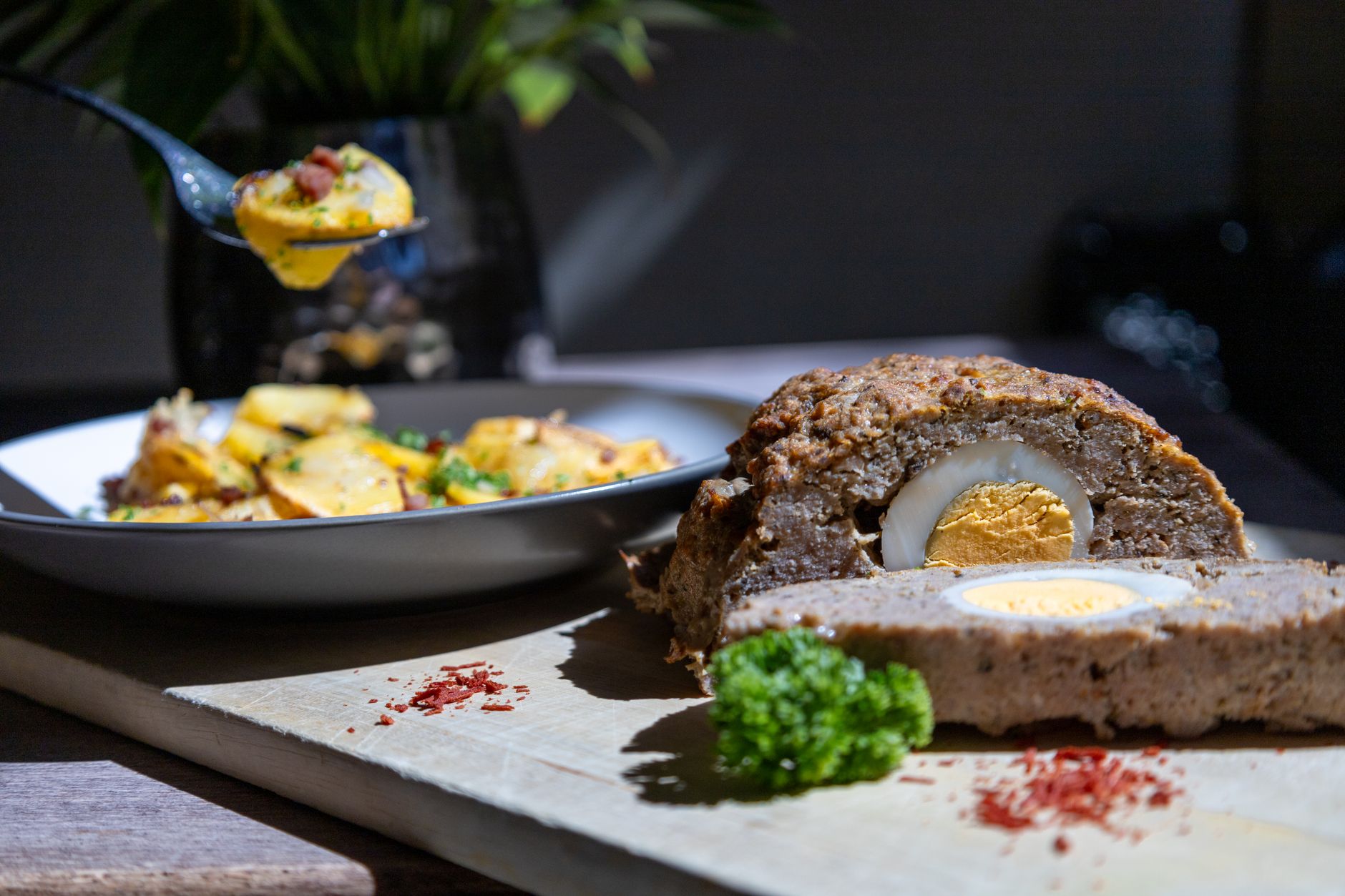
Meatloaf is a classic comfort food that combines ground meat with various ingredients, creating a hearty dish perfect for family meals. Understanding when meatloaf is done is crucial not just for flavor but also for food safety. This guide will walk you through the ideal temperatures and methods to ensure your meatloaf is perfectly cooked and safe to enjoy.
In this article, we will explore the key aspects of meatloaf cooking times, doneness tips, and methods to achieve a delicious result every time. By knowing at what temperature meatloaf is done, you can serve this delightful dish with confidence.
At What Temperature Is Meatloaf Done?
The safe internal temperature for meatloaf is 160°F (71°C) when checked with a food thermometer. This ensures that any harmful bacteria are killed, making it safe to eat. The meatloaf should also have an even texture and no pinkness in the center to confirm that it is adequately cooked.
Understanding Meatloaf Ingredients
Meatloaf typically consists of a mixture of ground meat (beef, pork, turkey, or a combination), breadcrumbs or oats, eggs, and seasonings. Here’s a brief overview of some common ingredients and their roles in the dish:
- Ground Meat: The primary ingredient, providing flavor and texture. Ground beef is the most common choice, but turkey and pork can yield lighter textures.
- Breadcrumbs/Oats: Bind the meatloaf together and add structure. They also help to absorb moisture.
- Eggs: Act as a binding agent, helping to hold the mixture together during cooking.
- Seasonings: Herbs and spices such as garlic, onion, salt, pepper, and Worcestershire sauce enhance the flavor profile.
Timing Your Meatloaf
The cooking time for meatloaf varies depending on several factors including the size of the meatloaf, the type of meat used, and the cooking method. As a general guideline:
- Loaf Size: A standard 2-pound meatloaf usually takes about 1 to 1.5 hours to cook at 350°F (175°C).
- Cooking Method: Cooking in a loaf pan usually requires longer than shaping it free-form on a baking sheet, where it can cook more evenly.
- Temperature Settings: Cooking meatloaf at 375°F (190°C) can reduce the cooking time significantly, typically cooking a 2-pound loaf in about 50-60 minutes.
Using a Meat Thermometer
To accurately determine when your meatloaf is done, a food thermometer is indispensable. Here’s how to use it effectively:
- Insert the thermometer into the thickest part of the meatloaf, avoiding contact with any fat or bones.
- Wait for a few seconds to get a clear reading. Ensure it reads at least 160°F (71°C).
- If the meatloaf has not reached the desired temperature, return it to the oven and check again after 10 minutes.
Visual and Texture Cues of Doneness
Besides using a thermometer, there are other indicators of doneness to guide your cooking:
- Color: The meatloaf should be thoroughly browned, and there should be no pink in the center.
- Juices: When cut, the juices should run clear, not pink.
- Firmness: Carefully press the top; a fully cooked meatloaf will feel firm and spring back gently.
Common Mistakes When Cooking Meatloaf
Here are a few common pitfalls to avoid when making meatloaf:
- Overmixing: Mixing the ingredients too much can make the meatloaf dense and tough. Mix just until combined.
- Using Too Lean Meat: Very lean meats can result in dryness. A blend of lean and slightly fatty meat creates the best flavor and texture.
- Skipping the Resting Period: Allow the meatloaf to rest for about 10 minutes after removing it from the oven. This helps redistribute the juices and makes for easier slicing.
Flavor Enhancements and Variations
Meatloaf is versatile, allowing for various flavor enhancements and ingredient variations:
- Vegetables: Adding finely chopped onions, bell peppers, or mushrooms can introduce moisture and flavor.
- Cheese: Incorporating shredded cheese can add richness and flavor.
- Glaze: A topping of ketchup, barbecue sauce, or a mixture of brown sugar and mustard before baking can create a sweet, caramelized finish.
Making Meatloaf Ahead of Time
Meatloaf can be prepared in advance, making it an excellent option for meal prep.
- Prepare the Mixture: You can prepare the meatloaf mixture a day ahead and store it in the refrigerator until you are ready to bake.
- Freezing: You can shape and freeze the raw meatloaf. Wrap it in plastic wrap and then foil to prevent freezer burn. To bake, thaw in the refrigerator overnight and follow cooking instructions.
Storing Leftover Meatloaf
Proper storage of leftover meatloaf ensures its longevity and taste:
- Refrigeration: Store leftover meatloaf in an airtight container in the fridge. It should last about 3 to 4 days.
- Freezing: Wrap portions individually in plastic wrap or foil, then place them in a freezer bag. Meatloaf can be frozen for up to 3 months.
Reheating Meatloaf
To enjoy leftover meatloaf, reheat it thoroughly following these steps:
- Oven: Preheat to 350°F (175°C). Place the meatloaf in an oven-safe dish, cover with foil, and heat for 20-30 minutes or until warmed through.
- Microwave: Slice and arrange on a plate. Cover with a damp paper towel and heat in 30-second intervals until hot.
Serving Suggestions
Meatloaf pairs wonderfully with a variety of sides that complement its flavor:
- Mashed Potatoes: Creamy mashed potatoes are a classic pairing.
- Green Beans: Fresh steamed or sautéed green beans add color and crunch.
- Salad: A simple mixed green salad can balance the rich flavors of the meatloaf.
Conclusion
Understanding the proper cooking temperature for meatloaf is essential for both taste and safety. Aim for 160°F (71°C) internal temperature, and utilize visual cues alongside a meat thermometer for best results. With thoughtful ingredient choices, time management, and proper cooking techniques, meatloaf can become a family favorite.
Now that you’re equipped with the knowledge of cooking meatloaf perfectly, why not explore more recipes? Check out “How Long to Cook Meatloaf at 375” for timing guidance or try the “Ina Garten Meatloaf Recipe” for a gourmet twist on this classic dish.