
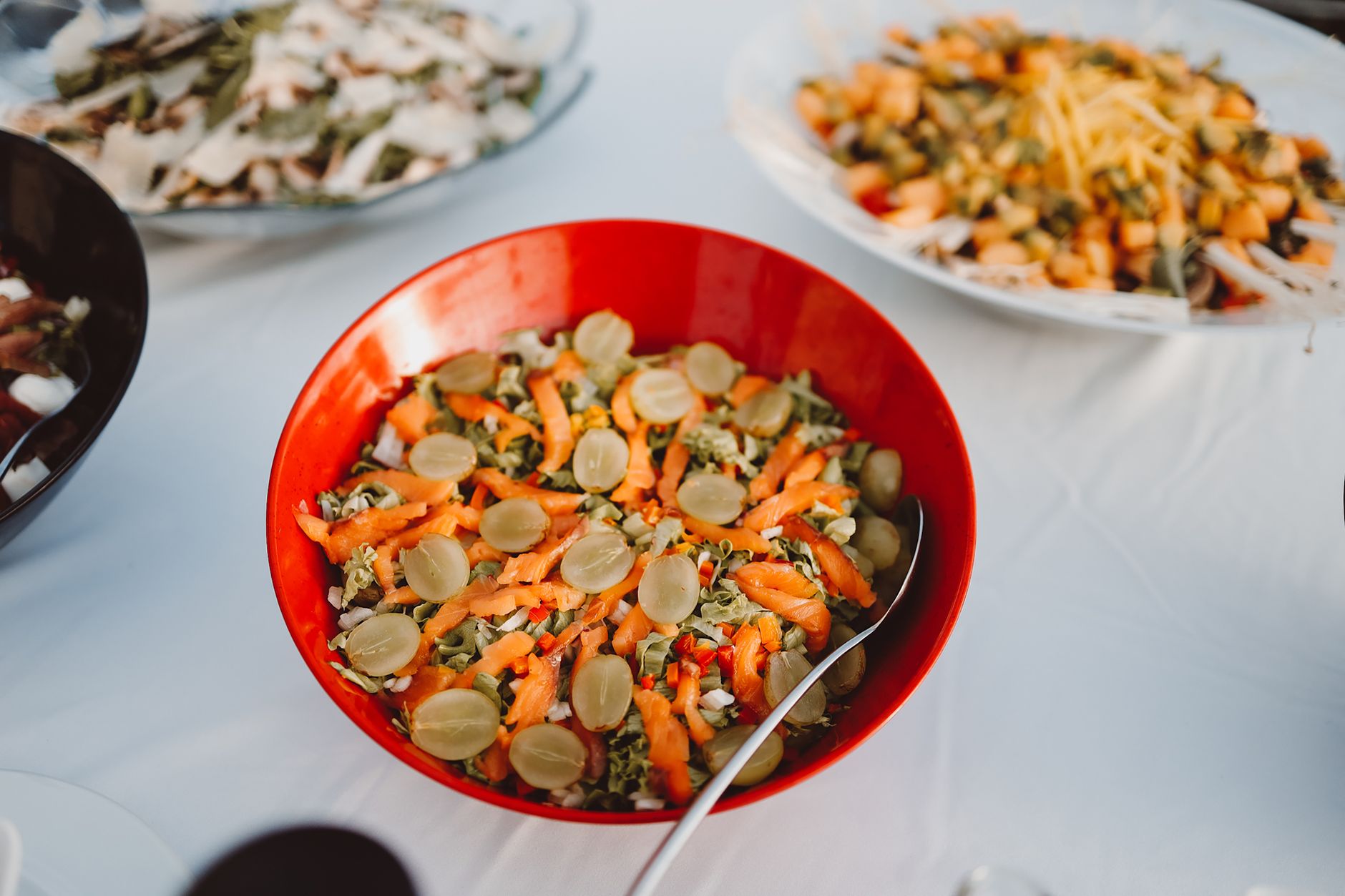
Chef salad is a classic and versatile dish that combines a colorful array of fresh vegetables, proteins, and dressings, making it ideal for a light meal or side dish. This salad is known for its hearty ingredients, becoming a favorite for those looking for a filling yet fresh option. With endless combinations, it can cater to various dietary preferences while staying delicious and satisfying.
This article will explore what goes into a chef salad, including traditional and modern ingredients, preparation tips, and serving suggestions. Whether you’re making it for a family dinner, a picnic, or meal prep for the week, understanding the components will help you create an enjoyable chef salad that suits your taste.
What Goes in a Chef Salad?
A chef salad typically includes a base of lettuce accompanied by various toppings such as chilled meats, cheese, hard-boiled eggs, and an assortment of fresh vegetables. The beauty of a chef salad is its flexibility; you can adapt it based on your preferences or what you have on hand.
Essential Ingredients for a Chef Salad
When crafting a chef salad, the ingredients can include but are not limited to the following:
- Greens: Romaine lettuce, iceberg lettuce, or a mixed green blend serves as the foundation of the salad.
- Proteins: Common choices include sliced turkey, ham, roast beef, grilled chicken, or a combination thereof. Alternatively, tofu or chickpeas can serve as vegetarian options.
- Cheese: Cheddar, Swiss, or mozzarella cheese can add creaminess and flavor.
- Vegetables: Fresh veggies like cherry tomatoes, cucumbers, bell peppers, carrots, and red onions bring color and texture. Avocado is a great addition for creaminess.
- Eggs: Hard-boiled eggs are a protein-rich addition that enhances the salad’s heartiness.
- Dressing: A variety of dressings can complement the salad, including ranch, Italian, blue cheese, or vinaigrette.
- Extras: Use garnishes like croutons, sliced olives, or nuts for added crunch and flavor.
Preparation Steps
Following a straightforward method will help you assemble a chef salad efficiently. Here is a step-by-step guide:
- Prepare the lettuce: Rinse your chosen greens under cold water, then dry them thoroughly using a salad spinner or paper towels. Chop or tear them into bite-sized pieces.
- Add proteins: Slice your chosen meats into thin strips or bite-sized pieces. If using canned beans or legumes like chickpeas, rinse and drain them before adding.
- Chop vegetables: Dice or slice fresh vegetables like cucumbers, bell peppers, and carrots. Cut cherry tomatoes in half and thinly slice any other vegetables you’ll include.
- Prepare eggs: If making hard-boiled eggs, place eggs in a pot, cover with cold water, and bring to a boil. Once boiling, cover and let sit off the heat for 9-12 minutes. After cooking, submerge them in ice water to cool before peeling and slicing.
- Toss ingredients: In a large serving bowl, combine the greens, proteins, cheese, and vegetables. Toss gently to mix.
- Dress the salad: Drizzle your preferred dressing over the salad just before serving. Toss again if desired to ensure even coating.
- Serve: Transfer the salad to individual plates or bowls and top with any additional garnishes. Enjoy immediately.
Flavor and Texture Combinations
A chef salad is all about balance. When combining ingredients, consider the following tips to enhance the flavor and texture:
- Crunch vs. Creaminess: Pair crispy vegetables like cucumber and bell peppers with creamy cheese and avocado. This combination creates an enjoyable texture contrast.
- Bold vs. Mild: If using strong-flavored ingredients like blue cheese or olives, balance them with milder elements like lettuce or creamy dressings to avoid overwhelming the palate.
- Fresh vs. Savory: Fresh herbs can brighten the salad, while savory proteins and cheese add depth. Try garnishing with fresh parsley or dill for added flavor.
Substitutions and Variations
Adapting your chef salad can cater to specific dietary needs or personal preferences. Here are some substitutions and variations to consider:
- Greens: Swap out iceberg lettuce for kale, spinach, or arugula for a nutritional boost.
- Proteins: For a vegetarian option, substitute meat with roasted vegetables, tofu, or legumes. Grilled shrimp can be a delicious alternative for seafood lovers.
- Cheese: If you are dairy-free, use nuts or seeds to add healthy fats and flavor instead of cheese.
- Vegetables: Incorporate seasonal vegetables to keep the salad fresh and interesting. For example, roasted vegetables can add depth to a winter salad.
- Dressing: Experiment with homemade dressings using olive oil, vinegar, and spices instead of store-bought options.
Common Mistakes to Avoid
Creating a vibrant chef salad is easy, but some common pitfalls can affect the final dish. Keep these mistakes in mind:
- Over-Dressing: Adding too much dressing can make the salad soggy. Start with a small amount and add more as needed.
- Using Wilted Greens: Always choose fresh, crisp greens. Wilted greens can lead to an unappealing texture.
- Ignoring Balance: Make sure to include a well-rounded variety of proteins, vegetables, and flavors to keep things interesting.
- Pre-Making Too Early: Dress salads right before serving to maintain freshness. Ingredients like tomatoes can release moisture and make the salad soggy.
Storage Tips for Chef Salad
If you plan to make your chef salad ahead of time, proper storage is essential to maintain freshness:
- Separating Ingredients: Store dressing separately from the salad to prevent sogginess. Each component can last longer when kept apart.
- Container Choice: Use airtight containers to preserve the freshness of the salad ingredients, especially herbs and greens.
- Timeframe: Most prepped salad components will keep well in the fridge for 3-4 days. However, add dressings and soft ingredients like avocado or cheese only right before consumption to avoid spoilage.
Serving Suggestions
Chef salads can stand alone as a satisfying meal or complement other dishes. Here are some serving suggestions:
- Crusty Bread: Serve with slices of fresh bread or garlic bread on the side.
- Soups: Pair a chef salad with a hearty soup for a well-rounded meal.
- Picnics: Pack a chef salad in a portable container for easy transport and enjoy it outdoors.
- Family Dinners: Set up a salad bar where guests can customize their chef salads with various toppings.
Exploring Global Variations of Chef Salad
While the American chef salad is well-known, many countries offer their versions of layered salads. Here are some adaptations to consider:
- Italian Salad: Incorporate classics like artichokes, pepperoncini, and Italian cured meats such as salami or prosciutto.
- Greek Salad: Use Romaine or iceberg lettuce topped with feta cheese, kalamata olives, cucumbers, and bell peppers.
- French Chef Salad: A French interpretation can feature cured meats, cheeses like Brie or Camembert, and a light vinaigrette.
- Mexican Salad: Top with ingredients like black beans, corn, avocado, pepper jack cheese, and serve with a zesty lime dressing.
Final Thoughts
A chef salad is a perfect dish for showcasing a variety of ingredients, allowing you to mix and match based on what you have available or what you love. Exploring different combinations and variations means you can enjoy a new salad every time, making it a truly versatile option for any occasion.
To create a delightful chef salad that’s both satisfying and nutrient-rich, focus on balancing flavors, textures, and colors. Enjoy the creative process of assembling your salad as you learn what works best for your palate.
If you’re interested in expanding your recipe repertoire, consider checking out our Chenille Salad Recipe or our delicious Chicken Egg Salad Recipe.