
Understanding measurements in cooking, especially liquid ingredients like milk, is crucial for successful meal preparation. Knowing how many cups are in a half gallon of milk not only helps in following recipes accurately but also assists in meal planning and ingredient substitution. This guide will explore conversions and measurements, ensuring you feel confident in the kitchen.
In this article, we will answer the question of how many cups are in a half gallon of milk, explain why that’s significant, and provide helpful conversion tips. Additionally, readers will find insights on alternative uses for milk in cooking and baking, making it a versatile reference for your culinary adventures.
How Many Cups Are in a Half Gallon of Milk?
A half gallon of milk contains 8 cups. This conversion is essential to remember for various recipes that call for cups of milk rather than gallons, making it easier to adjust your ingredients according to your needs.
The Importance of Accurate Measurements
Accurate measurements are vital in cooking and baking, where the balance of ingredients impacts the final result. For instance, too much or too little milk can affect the consistency of a batter, the creaminess of a sauce, or the texture of a dessert. Understanding measurement conversions helps avoid these pitfalls.
Common Measurements and Conversions
To further aid understanding, here’s a quick reference table for common liquid measurements:
| Liquid Measurement | Equivalent in Cups |
|---|---|
| 1 gallon | 16 cups |
| 1 half gallon | 8 cups |
| 1 quart | 4 cups |
| 1 pint | 2 cups |
How to Measure Milk Accurately
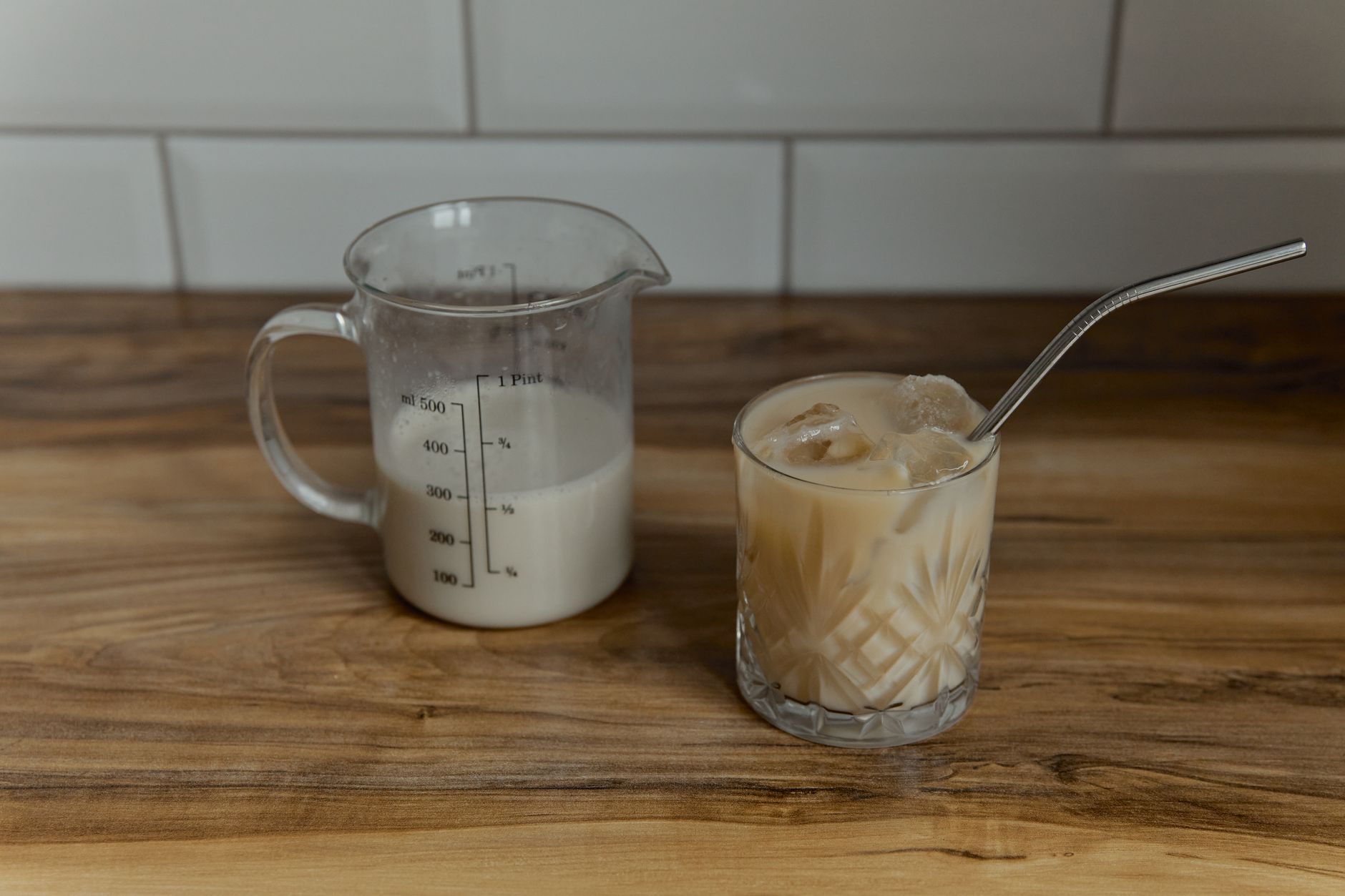
When measuring milk or other liquids, it’s crucial to do so accurately to ensure consistent results. Here’s how to get it right:
- Choose the Right Measuring Cup: Use a liquid measuring cup, which is typically glass or plastic with a spout for pouring.
- Check Eye Level: When pouring, ensure the measuring cup is on a level surface and check the measurement at eye level to get an accurate reading.
- Pour Slowly: Pour the milk slowly to avoid overshooting the desired measurement.
Using Milk in Recipes
Milk is a versatile ingredient that can be used in countless recipes, from savory dishes to desserts. It adds moisture, richness, and flavor. Here are some common culinary uses for milk:
- Baking: Milk is essential in cakes, muffins, and breads, providing structure, moisture, and color.
- Cooking Sauces: Creamy sauces benefit from milk, whether in a classic Alfredo or a simple white sauce.
- Soups: Milk can be used to enrich soups, adding creaminess and depth of flavor.
- Custards and Puddings: Dairy is a key ingredient in both, lending its texture and richness.
Practical Tips for Cooking with Milk
Here are some helpful tips to keep in mind when cooking with milk:
- Storage: Store milk in the refrigerator to maintain freshness, and always check expiration dates before use.
- Temperature: When adding to hot dishes, gradually warm milk to prevent curdling.
- Substitutions: In many cases, you can substitute milk with alternatives like almond milk or soy milk, but these may slightly change the texture and flavor.
Understanding Milk Varieties
There are several types of milk available, and understanding how they differ is valuable for cooking:
- Whole Milk: Has a fat content of about 3.25%, rich and creamy, perfect for desserts and sauces.
- Low-Fat Milk: Typically 1% or 2% fat content, offering a lighter option while still providing richness.
- Skim Milk: Fat-free, lower in calories, though it may not add as much creaminess to recipes.
- Non-Dairy Milks: Options like almond, soy, or oat milk are popular alternatives, though their flavors and textures can vary.
Milk Substitutions in Recipes
If you find yourself out of milk or are catering to dietary restrictions, here are some reliable substitutions:
- Heavy Cream: Can often be diluted with water (1 part cream to 1 part water) to mimic milk.
- Yogurt: Can be used as a one-for-one substitute, adding a tangy flavor.
- Sour Cream: Another good alternative in recipes where a tangy flavor or thicker consistency is acceptable.
- Plant-Based Milks: As mentioned, almond milk, soy milk, and coconut milk can replace dairy milk, though they may change the flavor profile slightly.
Common Mistakes When Cooking with Milk
Here are some frequent pitfalls to avoid when working with milk:
- Overheating: Milk can scorch if heated too quickly or for too long. Use low heat and stir frequently to prevent this.
- Ignoring Expiration Dates: Always check the freshness of milk before using it.
- Not Adjusting for Non-Dairy Alternatives: If substituting, keep in mind the flavor and texture differences, which may require recipe adjustments.
Using Leftover Milk
If you have leftover milk, here are some great ways to use it up:
- Smoothies: Use milk as a base for smoothies for a nutritious snack.
- Creamy Soups: Incorporate milk into homemade soups or chowders for added richness.
- Milk-Based Sauces: Create a range of creamy sauces, such as béchamel or cheese sauce, for pasta and casseroles.
- Frozen Treats: Make simple ice creams or frozen yogurt by blending milk with fruits and sweeteners, then freezing.
Meal Planning with Milk
Incorporating milk in your meal planning can help ensure a balanced diet. Here’s how to effectively use milk across the week:
- Breakfast: Plan for milk in your morning oatmeal, smoothies, or coffee.
- Lunch: Consider creamy soups or dressings that use milk, along with a sandwich pairing.
- Dinner: Use milk in sauces for pasta or as a base for macaroni and cheese.
- Desserts: Keep space for milk in puddings, cakes, and custards throughout the week.
Conclusion
Comprehending how many cups are in a half gallon of milk is a valuable component of cooking that can enhance your culinary skills. With 8 cups in a half gallon, this knowledge serves as a solid base for various recipes. Remember to measure accurately, choose the right milk for your needs, and feel free to experiment with substitutes when necessary.
To explore more about cooking techniques or ingredient substitutions, check out our guides on how many cups of water for 1 cup of rice and whether you can substitute milk for heavy cream. Both resources will enhance your cooking experience.