
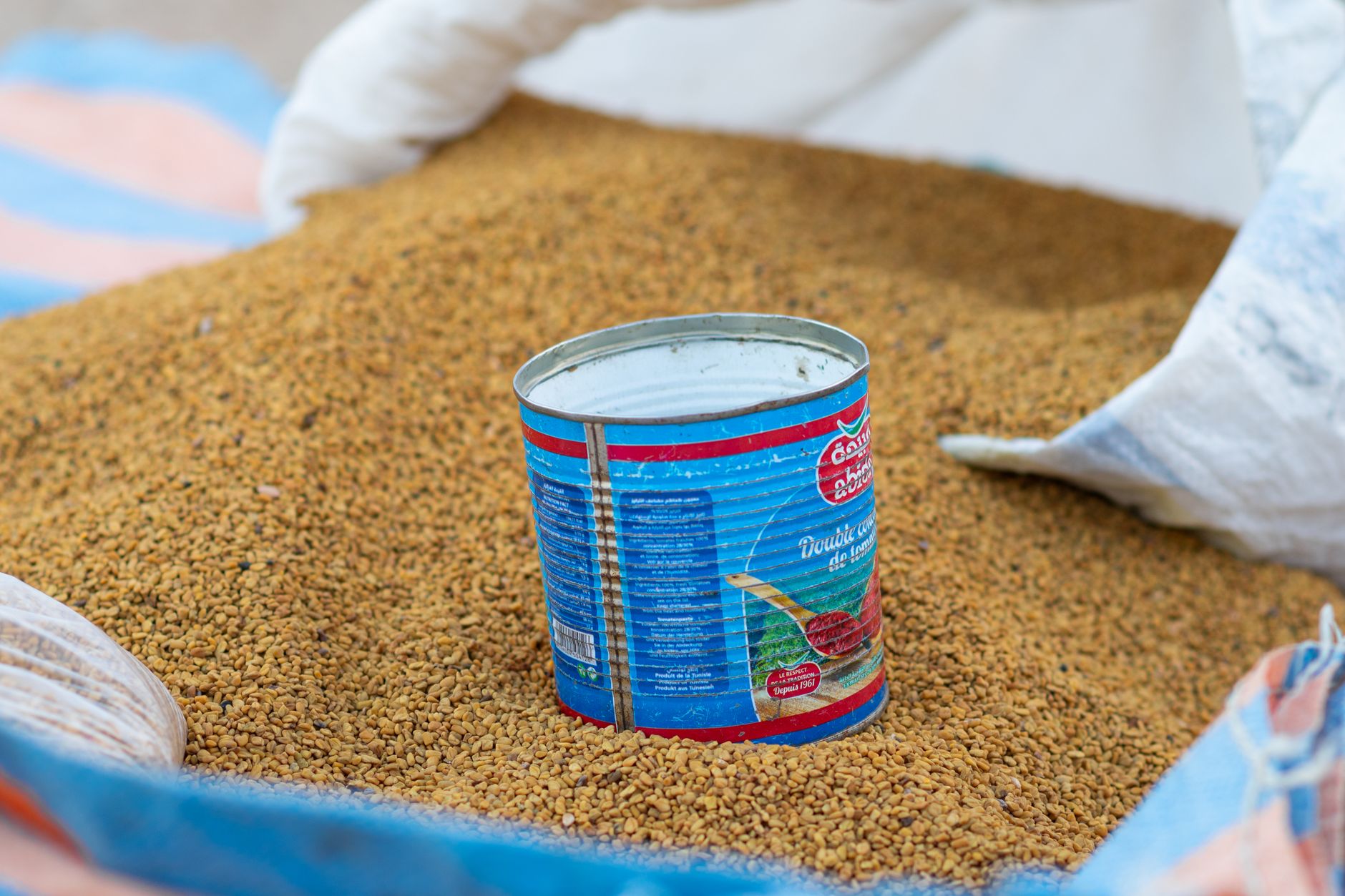
Fenugreek, a versatile herb known for its distinct flavor and various health benefits, is increasingly popular among women for its potential to support overall wellness. Understanding how much fenugreek is optimal for daily consumption is crucial, especially if you’re considering adding it to your diet. This guide will explore the appropriate amounts of fenugreek to consume daily, the nutritional benefits it provides, and practical tips for incorporating it into your meals.
Not only does fenugreek have a rich culinary history, but it also offers numerous potential health benefits, making it a valuable addition to any woman’s diet. Let’s delve into the specifics of fenugreek consumption tailored for women.
How Much Fenugreek Per Day for Women?
The recommended daily intake of fenugreek for women can vary based on health goals and individual needs. Generally, a safe daily dosage is around 1 to 5 grams of fenugreek seeds. This amount can be consumed either ground or whole, often split into two or three servings throughout the day. If you are using fenugreek supplements, adhere to the dosage instructions on the product label or consult a healthcare provider for personalized guidance.
Understanding Fenugreek
Fenugreek (Trigonella foenum-graecum) is a legume native to the Mediterranean region, but it is now cultivated globally. The seeds and leaves are commonly used in cooking. Fenugreek seeds have a slightly bitter taste akin to that of celery and maple syrup, while the leaves have a more delicate flavor.
Beyond culinary use, fenugreek is increasingly recognized for its potential health benefits. It has been traditionally employed in various cultures for medicinal purposes, including digestive health, blood sugar regulation, and hormonal balance.
Nutritional Benefits of Fenugreek
Before diving into the specific amounts for daily consumption, let’s explore the nutritional profile and health benefits associated with fenugreek:
- Rich in Nutrients: Fenugreek seeds are packed with essential nutrients, including vitamins A, B, C, and K, along with minerals such as iron, magnesium, and manganese.
- Fiber-Rich: Fenugreek is high in soluble fiber, which promotes healthy digestion and may help in managing cholesterol levels.
- Antioxidant Properties: The antioxidants in fenugreek may help combat oxidative stress and inflammation in the body.
- Hormonal Balance: Some studies suggest that fenugreek may help balance estrogen levels, potentially benefiting women during their menstrual cycles and menopause.
- Blood Sugar Regulation: Fenugreek has been shown to help lower blood sugar levels and improve insulin sensitivity, making it a beneficial option for those with diabetes.
How to Consume Fenugreek
There are several ways to include fenugreek in your diet, whether through whole seeds, powders, or supplements. Here are some popular methods:
Whole Seeds
Whole fenugreek seeds can be soaked overnight and consumed in the morning on an empty stomach. This method is believed to enhance nutrient absorption.
Ground Fenugreek
Ground fenugreek can be added to various dishes such as curries, soups, and stews to impart a warm, nutty flavor. You can use one to two teaspoons of ground fenugreek per serving.
Fenugreek Tea
Fenugreek tea is a soothing beverage that can be made by steeping a teaspoon of fenugreek seeds in hot water for about 10 minutes. Strain and drink, possibly adding honey or lemon for flavor.
Supplements
Various fenugreek supplements are available on the market, typically in capsule form. Always follow the manufacturer’s recommended dosage or consult a healthcare professional before incorporating supplements into your routine.
Incorporating Fenugreek into Your Daily Diet
Using fenugreek need not feel daunting. Here are some practical tips for including fenugreek in your meals:
- Smoothies: Add a teaspoon of ground fenugreek to your morning smoothie for an extra nutritional kick.
- Curries and Lentil Dishes: Enhance flavor by including whole or ground fenugreek in your favorite curries or dal recipes.
- Breads and Baked Goods: Incorporate fenugreek powder into bread recipes or pancakes for unique flavor and nutrients.
- Salads and Dressings: Make a grain salad by sprinkling fenugreek seeds, or use fenugreek powder in dressings for a subtle twist.
Possible Side Effects and Precautions
While fenugreek is generally considered safe when consumed in moderate amounts, there are some precautions to keep in mind:
- Blood Sugar Levels: Fenugreek may lower blood sugar levels, which could interfere with diabetes medications. Monitor blood sugar regularly if taking medications.
- Allergic Reactions: Some individuals may be allergic to fenugreek or its constituents. It is advisable to consult with a healthcare provider before starting any new supplement, especially if you have allergies.
- Pregnancy and Breastfeeding: Pregnant women should consult their doctors before consuming fenugreek as it may affect uterine contractions.
Fenugreek Recipes to Try
Beyond its health benefits, fenugreek plays a significant role in various flavorful dishes worldwide. Here are a couple of recipes to inspire you to incorporate fenugreek into your cooking:
Fenugreek Chicken Curry
This hearty dish combines delicious spices with the unique flavor of fenugreek.
- Servings: 4
- Preparation Time: 15 minutes
- Cooking Time: 30 minutes
- Total Time: 45 minutes
Ingredients:
- 1 pound chicken, cut into pieces
- 2 tablespoons fenugreek seeds
- 1 onion, diced
- 2 tomatoes, chopped
- 1 teaspoon ginger-garlic paste
- 2 tablespoons curry powder
- Salt to taste
- 2 tablespoons cooking oil
- Fresh cilantro for garnishing
Method:
- Heat the oil in a pan over medium heat. Add the diced onion and sauté until golden brown.
- Add the ginger-garlic paste and sauté until fragrant.
- Stir in the chopped tomatoes and cook until soft.
- Add the chicken pieces, curry powder, fenugreek seeds, and salt. Cook until the chicken is brown on all sides.
- Add a cup of water and simmer until the chicken is cooked through and tender.
- Garnish with fresh cilantro and serve with rice or naan.
Fenugreek Infused Yogurt
This simple recipe makes a refreshing side dish or topping for many meals.
- Servings: 2
- Preparation Time: 10 minutes
- Total Time: 10 minutes
Ingredients:
- 1 cup plain yogurt
- 1 tablespoon fenugreek leaves (fresh or dried)
- 1 teaspoon olive oil
- Salt to taste
- Optional: chopped cucumber or herbs for garnish
Method:
- In a bowl, mix the yogurt with fenugreek leaves, olive oil, and salt.
- Optional: Stir in chopped cucumber or herbs for added flavor.
- Serve chilled as a side dish or drizzle over your favorite entree.
Conclusion
Incorporating fenugreek into your diet can provide women with numerous health benefits, especially when consumed in appropriate daily amounts. A dose of 1 to 5 grams daily is generally recommended, but personal needs can vary. Understanding how to use fenugreek, including recipes that highlight its unique flavor, can make this nutritious herb a delicious part of your daily meals. Remember to consult a healthcare professional if you have any concerns regarding its use, particularly if you have underlying health conditions.
For more healthy recipes and cooking tips, feel free to explore our guides on coconut milk chia pudding and artichoke steaming techniques for nutritious meals.