
The term “superfood” is often used to describe nutrient-dense foods that are thought to provide health benefits, especially for individuals facing serious health challenges like cancer. While no single food can cure cancer, certain foods may help support overall health and enhance well-being during treatment. This article will explore some of the top superfoods that can be particularly beneficial for cancer patients, alongside tips on how to incorporate them into your diet.
Cancer treatment can have a profound impact on a patient’s appetite, digestion, and overall health. Thus, maintaining a balanced diet rich in nutrients is essential. By focusing on superfoods, patients can help boost their immune systems, manage side effects, and potentially improve their quality of life.
What Is the Super Food for Cancer Patients?
A superfood for cancer patients is typically a whole, minimally processed food that is nutrient-rich and contains antioxidants, vitamins, and minerals that may help improve health. Foods like berries, leafy greens, nuts, seeds, and probiotics are great examples. Each provides unique benefits that contribute to holistic health and possibly aid in cancer treatment.
The Nutritional Powerhouses
Berries
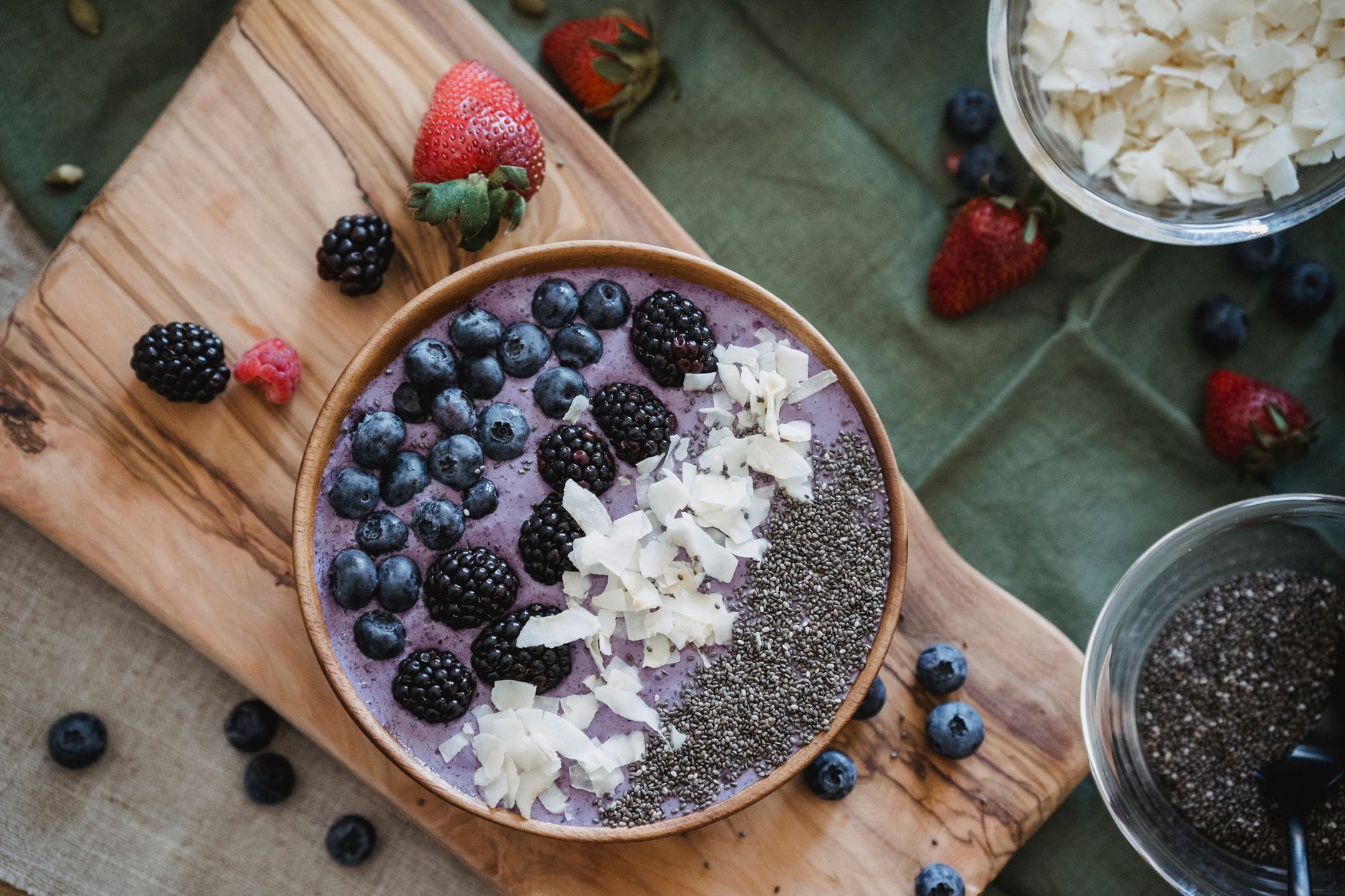
Berries such as blueberries, strawberries, and blackberries are high in vitamins, fiber, and antioxidants. They contain powerful compounds like flavonoids, which exhibit anti-inflammatory and antioxidant properties.
- Benefits: May help combat inflammation and oxidative stress, plus support cardiovascular health.
- How to Use: Add berries to smoothies, yogurt, oatmeal, or enjoy them as snacks.
Leafy Greens
Vegetables like spinach, kale, and Swiss chard are packed with vitamins A, C, K, and essential minerals like calcium and iron. Their high fiber content helps with digestion and maintaining a healthy weight.
- Benefits: Rich in antioxidants and may help improve liver function.
- How to Use: Toss leafy greens into salads, soups, or sauté them with garlic for added flavor.
Nuts and Seeds
Nuts such as almonds, walnuts, and seeds like chia and flaxseeds are great sources of healthy fats, protein, and fiber. They are loaded with omega-3 fatty acids, which can help reduce inflammation in the body.
- Benefits: Support brain health and provide energy while managing weight.
- How to Use: Snack on a handful of nuts, or mix seeds into smoothies or salads.
Cruciferous Vegetables
Vegetables like broccoli, cauliflower, Brussels sprouts, and kale belong to the cruciferous family. These veggies contain glucosinolates, which may have cancer-preventive effects.
- Benefits: May help lower the risk of certain cancers due to their anti-cancer properties.
- How to Use: Steam, roast, or stir-fry to add to various dishes.
Turmeric
This vibrant yellow spice contains curcumin, known for its potent anti-inflammatory and antioxidant properties. Turmeric may also help bolster the immune system.
- Benefits: Can help reduce inflammation in the body.
- How to Use: Add turmeric to soups, smoothies, or golden milk for a health boost.
Fatty Fish
Salmon, mackerel, and sardines are excellent sources of omega-3 fatty acids, which may help reduce inflammation and support heart and brain health.
- Benefits: May help improve mood and reduce fatigue.
- How to Use: Grill, bake, or pan-sear for a hearty meal; incorporate into salads or wraps.
Legumes
Beans, lentils, and peas are excellent sources of fiber, protein, and essential nutrients. They promote healthy digestion and are great for heart health.
- Benefits: Help maintain energy levels and provide sustained energy.
- How to Use: Add to soups, salads, or make dips like hummus.
Whole Grains
Whole grains like brown rice, quinoa, and whole wheat are rich in fiber, which aids digestion and can help maintain a healthy weight.
- Benefits: Provide sustained energy and help regulate blood sugar levels.
- How to Use: Use as a base for salads or as side dishes.
Probiotics
Foods like yogurt, kefir, and fermented vegetables can help support gut health, which is vital during cancer treatment.
- Benefits: They improve digestion and boost the immune system.
- How to Use: Add to smoothies, enjoy as snacks, or use in salad dressings.
Creating a Balanced Meal
When planning meals, it’s crucial to create balanced options that incorporate a variety of the listed superfoods. Here are a few tips to make nutrition a priority:
- **Color Variety**: Aim for colorful plates. Each color represents different nutrients. For example, dark greens, vibrant reds, and deep blues provide a range of antioxidants.
- **Portion Control**: Focus on appropriate serving sizes that accommodate your appetite and dietary needs.
- **Hydration**: Keep hydrated with water or nutrient-rich drinks like smoothies. Proper hydration is vital for overall health.
Sample Meal Plan for a Day
An effective way to incorporate these superfoods is to follow a simple meal plan. Here’s a sample daily plan:
Breakfast
- Overnight oats topped with fresh berries, chia seeds, and a dollop of yogurt.
- A side of green tea or a smoothie made from spinach, banana, and almond milk.
Lunch
- Quinoa salad with mixed greens, cherry tomatoes, cucumbers, avocado, and grilled salmon.
- Dress with a mix of olive oil, lemon juice, and turmeric.
Snack
- A handful of mixed nuts and dark chocolate or an apple with almond butter.
Dinner
- Stir-fried broccoli, cauliflower, and bell peppers with tofu or chicken, seasoned with ginger and garlic.
- Served over brown rice or whole-grain pasta.
Dessert
- Chia seed pudding made with almond milk, sweetened with honey and topped with sliced bananas.
Cooking Techniques to Maintain Nutritional Value
When preparing meals with superfoods, it’s essential to use cooking techniques that preserve their full nutritional value. Here are some tips:
Steaming
Steaming vegetables like broccoli and spinach helps retain vitamins and minerals that could be lost during boiling. Steamed vegetables are still vibrant in color and crunch, providing a satisfying texture.
Roasting
Roasting enhances flavor and texture. Toss vegetables in olive oil and seasonings, then roast until tender and caramelized. This technique helps unlock their natural sweetness while preserving vitamins.
Raw Preparation
Including raw foods in your diet can maximize nutrient intake. Utilize salads or smoothies as a base for fresh fruits and vegetables.
Minimal Cooking Time
Avoid long cooking times that can deplete nutrients. Quick sautéing or stir-frying allows you to cook food just enough to make it palatable while maintaining its health benefits.
Storage Tips to Preserve Nutritional Integrity
Proper storage can help maintain the nutrients in superfoods. Consider the following:
- **Keep it Cool**: Store fruits and vegetables in the fridge to prolong freshness. Keep berries in their containers to prevent moisture accumulation.
- **Seal it Right**: Use airtight containers for nuts and seeds to prevent them from becoming rancid.
- **Dry and Dark**: Store spices like turmeric in a cool, dark place to retain potency.
Common Mistakes to Avoid
When incorporating superfoods into your diet, there are a few common pitfalls to be aware of:
- **Relying on Supplements**: While supplements can help, focusing on whole foods provides better nutrient absorption.
- **Ignoring Variety**: Eating the same foods repetitively can lead to nutrient gaps. Rotate through a variety of options.
- **Overcooking**: Cooking vegetables for prolonged periods can diminish their nutritional value.
Food Sensitivities and Individual Needs
Consulting with a health professional or a registered dietitian is essential, especially for cancer patients. Individual dietary needs and food tolerances will vary, so it’s essential to adjust your diet accordingly. This may include consideration for:
- Food allergies or sensitivities, such as gluten or dairy.
- Specific reactions to certain foods during treatment, such as nausea or taste changes.
- Your personal nutritional goals and preferences.
Emotional and Social Aspects of Eating
Food is not just about nourishment; it also plays a vital role in social interactions and emotional well-being. Engaging in meal preparation, sharing food with loved ones, or enjoying a meal with friends can enhance one’s spirit during challenging times. Always try to make meals enjoyable and social, whether it’s a simple family dinner or a virtual cooking session with friends.
Maintaining a positive attitude towards food can help create a healthier relationship with eating, promoting better nutrition and overall well-being during treatment.
One Last Thought
While there is no miracle food that can cure cancer, incorporating superfoods into the diet can be an essential part of a holistic approach to treatment. Always consult healthcare professionals about dietary changes and adjustments. Focus on nutrients that help maintain strength and vitality, and prioritize whole, minimally processed foods for the best outcomes.
To enhance your culinary repertoire, explore benefits of chia seeds or try a comforting golden milk recipe to enjoy a healthful drink that supports well-being.
For more recipes and tips for healthy cooking, visit: benefits of chia seeds and golden milk recipe.