
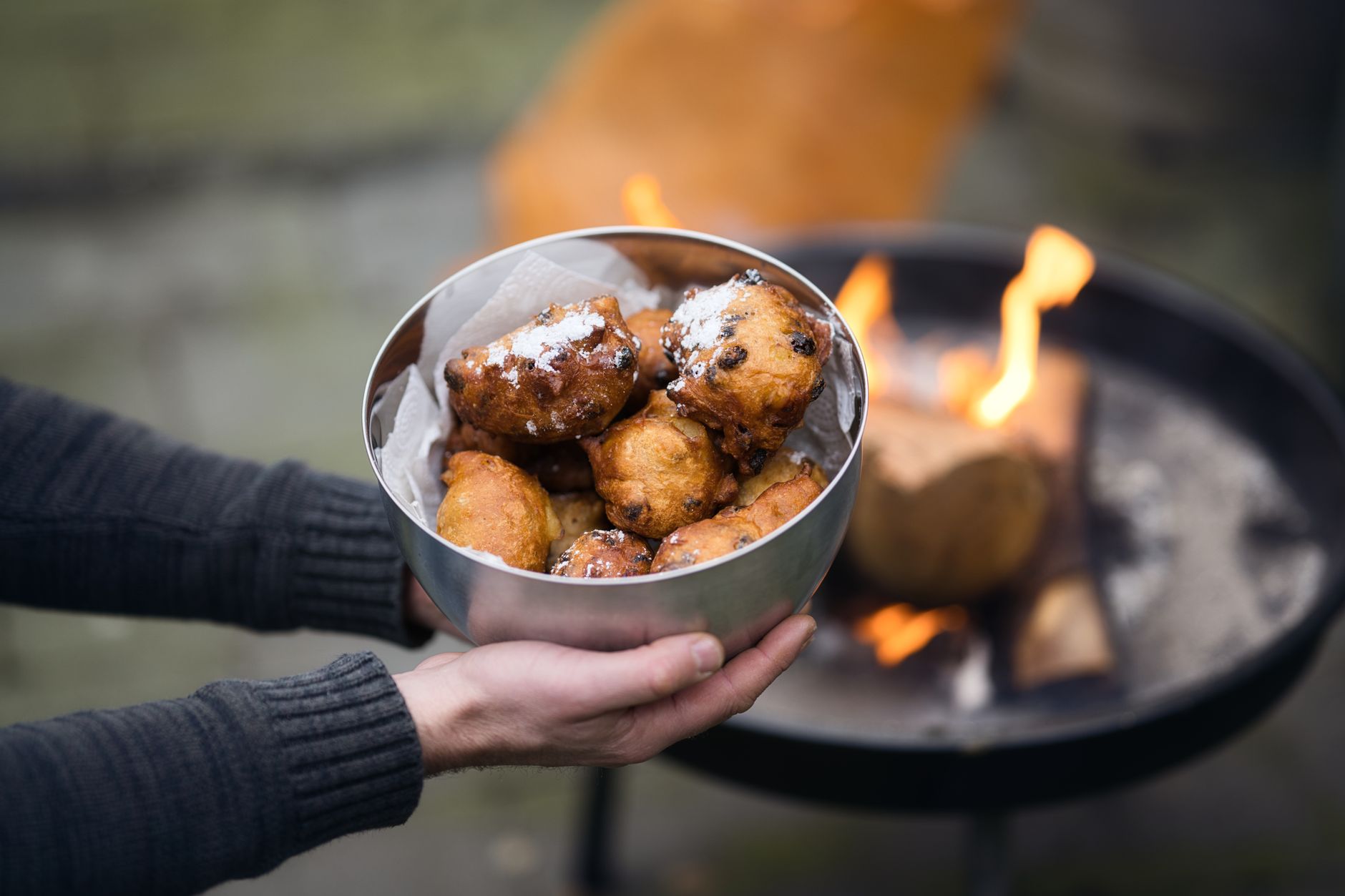
Dutch food reflects the country’s diverse agricultural history and regional specialties, characterized by hearty dishes and simple ingredients. Rooted in practicality, Dutch cuisine has evolved over centuries, drawing influences from neighboring cultures and emphasizing seasonal produce, meats, and dairy.
In this article, we will explore traditional Dutch ingredients, distinctive flavors, common cooking techniques, and how to serve Dutch dishes, making it easier for you to appreciate and recreate authentic Dutch meals.
What Is Dutch Food?
Dutch food is a combination of traditional dishes and regional ingredients that highlight the Netherlands’ agricultural heritage. Known for its simplicity and heartiness, it often features dairy, potatoes, and seasonal vegetables. Dutch cuisine also embraces a variety of influences, creating unique flavors and textures that represent the country’s culture.
Key Ingredients in Dutch Cuisine
The foundation of Dutch cooking lies in a few staple ingredients that are commonly used across various dishes. Understanding these elements can help you appreciate and create authentic Dutch cuisine.
Dairy Products
Dairy plays a key role in Dutch food, with cheese being a standout feature. The Netherlands is famous for its cheese varieties like Gouda and Edam, which are enjoyed both as snacks and in dishes. Additionally, cream, butter, and yogurt are commonly used in cooking and baking.
Potatoes
Potatoes are a staple in Dutch meals, often serving as the base for many traditional dishes. They can be boiled, mashed, or fried and are frequently used in stews and casseroles. Dutch fries, known as “frites,” are a beloved snack often served with a variety of dipping sauces.
Vegetables
The Dutch diet features a variety of vegetables, especially those that are in season. Commonly used vegetables include:
- Cabbage
- Carrots
- Onions
- Beets
- Leeks
These vegetables are often incorporated into soups, stews, and side dishes.
Meat and Fish
While Dutch cuisine isn’t heavily meat-based, various types of meats are still prominent. Pork and beef are often used in stews and meatballs, while fish, especially herring and eel, is widely consumed in coastal regions. Herring is typically served raw with onions and pickles, demonstrating the country’s love for fresh seafood.
Sweets and Baked Goods
Dutch sweets and baked goods are well-known, contributing significantly to the culinary landscape. Traditional items such as stroopwafels (thin waffles filled with syrup) and pepernoten (spicy cookies) showcase the Dutch penchant for treats. Additionally, pastries, cakes, and pies are commonly enjoyed, often with coffee or tea.
Flavors and Seasonings
Dutch cuisine is not overly spiced but aims for a balance of flavors, typically highlighting the natural taste of ingredients. Here are some common flavors and seasonings used:
Herbs and Spices
- Parsley
- Thyme
- Bay leaves
- Nutmeg
These herbs add subtle flavor without overwhelming the dish, allowing the natural essence of ingredients to shine through.
Sweeteners
Traditional Dutch food often incorporates natural sweeteners, particularly in baked goods. Brown sugar and treacle are commonly used, giving dishes a rich flavor profile. Honey is also a popular sweetener, especially paired with cheese.
Vinegars and Sauces
Vinegars, particularly apple and wine vinegar, are often used in dressings and marinades. Additionally, the Dutch enjoy various sauces, including mayonnaise, mustard, and satay sauce, which accompany numerous dishes.
Common Cooking Techniques
Dutch cuisine relies on straightforward cooking methods that preserve the integrity of ingredients. Here are some of the techniques commonly used in preparation:
Boiling
Boiling is frequently used for preparing potatoes and vegetables, ensuring they retain nutrients and flavor. Seasoned water can enhance the dish, and boiled vegetables may serve as side dishes or components of larger meals.
Stewing
Stewing is a popular technique for creating hearty dishes, allowing flavors to meld over long cooking times. Dishes like “stamppot” (a mash of potatoes and vegetables) and stews often benefit from this method. Moderate heat is essential to ensure tenderness while preventing sticking.
Baking
Many Dutch cakes and pastries are baked, with methods varying based on the final dish. For cakes and breads, ingredients are typically mixed until smooth, and baking is done at moderate to high temperatures until golden and risen.
Frying
Mild frying techniques are often used for preparing meats and vegetables, adding flavor and texture. Dutch fries are deep-fried, achieving a crisp exterior while remaining fluffy inside. Careful temperature control ensures even cooking and prevents burns.
How to Serve Dutch Food
Typical Meal Structure
Serving Sizes
Accompaniments
- Fresh salads
- Pickles
- Bread with butter
These side dishes enhance the overall experience and provide additional flavors and textures.
What to Drink
- Beer, especially pale ales or lagers
- Jenever, a traditional Dutch gin
- Milk or dairy products accompanying meals
Water is also served, but the focus is on beverages that enhance the flavors of the food.
Popular Dutch Dishes
Stamppot
Stamppot is a comforting dish made with mashed potatoes mixed with various vegetables like kale or carrots. It’s often served with smoked sausage (rookworst) and gravy, making it a hearty meal perfect for colder months.
Haring
This raw herring is typically enjoyed with onions and pickles and is served as a snack or light meal. It encapsulates Dutch seafood culture and is often eaten by holding it by the tail and taking a bite.
Frikandel
Frikandel is a Dutch snack consisting of a skinless minced meat sausage, usually served with mayonnaise and curry ketchup. It’s a popular fast-food item often enjoyed during festivals and public events.
Poffertjes
Poffertjes are small, fluffy pancakes made with yeast batter, cooked in special molds. These sweet treats are often dusted with powdered sugar and can be served with syrup or butter, making them popular at fairs and markets.
Dutch Apple Pie
This pie is a classic dessert made with a flaky crust and filled with spiced apple filling, often served with whipped cream. Its warm, comforting flavors make it a favorite in many Dutch homes.
Common Mistakes to Avoid
- Overcooking Vegetables: Many Dutch dishes depend on vibrant, flavorful vegetables. Boil or steam them until tender but still crisp to maintain their taste and appearance.
- Neglecting Seasoning: While the Dutch often keep flavors simple, seasoning is crucial. Always taste and adjust seasonings to balance flavors effectively.
- Simplifying Recipes: Dutch dishes often have a specific method that influences the final taste. Follow traditional preparations closely for the best results.
Storage and Reheating Tips
Storage
Most Dutch dishes can be stored in airtight containers in the refrigerator for up to three days. For longer storage, consider freezing portions. It’s best to cool items to room temperature before refrigeration or freezing.
Reheating
When reheating, use a microwave, oven, or stovetop to gently warm your meal. Cover dishes to retain moisture and avoid overcooking, which can alter the texture. Stirring can help promote even heating.
Conclusion
For a delicious twist on family gatherings, consider making a Dutch oven pot roast to bring everyone together over hearty flavors and aromas. Explore more food guides and tips as you continue your culinary journey!