
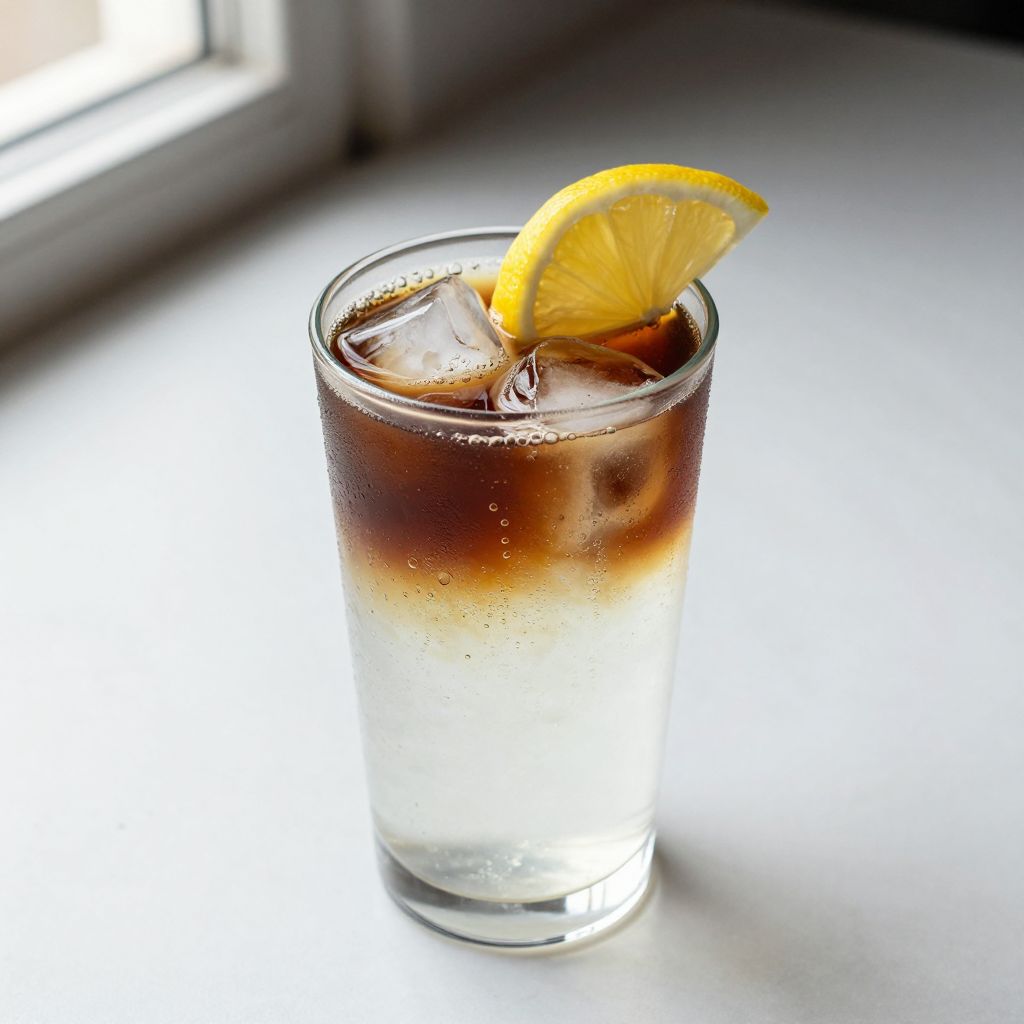
There’s something magical about that first sip of espresso tonic on a warm afternoon: the sharp bitterness of espresso colliding with bright, bubbly tonic water, finished with a squeeze of citrus that makes your taste buds wake up.
This isn’t your average coffee drink, and it’s not trying to be. What makes this recipe special is how it transforms two simple ingredients into something sophisticated, refreshing, and genuinely exciting to drink.
You get the caffeine kick you’re after, the sophistication of a craft beverage, and a drink that’s ready in under five minutes. Whether you’re looking for an afternoon pick-me-up or a fancy option to serve guests, espresso tonic delivers on all fronts.
Why You’ll Love This Recipe
Espresso tonic hits different because it breaks the rules of what coffee should be, and in the best way possible. You get a sophisticated, refreshing beverage that feels restaurant-quality but tastes even better at home.
- Quick to make with just three ingredients and zero complicated techniques
- Perfectly balanced between bitter espresso, crisp tonic, and bright citrus notes
- Works as an afternoon energizer or a stylish drink for entertaining
- Naturally refreshing without being overly sweet or heavy
- Looks impressive in a glass, which never hurts when serving it to others
My Experience Making This Recipe
I first tried espresso tonic at a specialty coffee shop and immediately thought: why am I paying eight dollars for this when I can make it at home? The answer, it turns out, is that I absolutely can make it at home, and it tastes just as good.
The beauty of this drink hit me on my third batch: the quality of your espresso matters way more than anything else. A flat, over-extracted shot tastes off, but a bright, well-pulled espresso makes the whole drink sing.
My family now expects me to have tonic water stocked, and I’ve learned that serving these over ice to guests gets them talking. People are always surprised by how well espresso and tonic actually work together.
Recipe Overview
- Recipe Name: Espresso Tonic
- Servings: 1 drink
- Prep Time: 2 minutes
- Cook Time: 2 minutes
- Total Time: 4 minutes
- Course: Beverage
- Cuisine: Modern Coffee
- Calories per Serving: 2
Equipment You Will Need
- Espresso machine
- Shot glass or small measuring cup
- Tall glass (10 to 12 ounces)
- Long bar spoon or regular spoon
- Citrus juicer or zester
Ingredients for Espresso Tonic
- 2 shots of espresso (about 2 ounces), freshly pulled
- 4 to 5 ounces of tonic water, chilled
- Ice cubes, preferably large or crushed
- Fresh lemon or lime wedge, for serving
Ingredient Notes and Substitutions
- Espresso: The foundation of this drink, espresso provides the bold, slightly bitter flavor that balances tonic’s sweetness. If you don’t have an espresso machine, you can use a Moka pot or use finely ground espresso with hot water, though the result won’t be identical.
- Tonic Water: Tonic brings carbonation, quinine bitterness, and subtle sweetness that complements espresso perfectly. Premium or craft tonic waters work especially well, though regular tonic water works fine if that’s what you have on hand.
- Ice: Large ice cubes melt more slowly than crushed ice, keeping your drink cold without diluting it as quickly. Crushed ice works if that’s your preference, just expect the drink to get slightly diluted faster.
- Citrus: A squeeze of lemon or lime brightens the whole drink and adds an aromatic lift. Grapefruit or blood orange also work beautifully if you want to experiment.
How to Make Espresso Tonic
Step 1: Pull Your Espresso Shots
Start by pulling two shots of espresso into your shot glass. You want these shots to be fresh, so make sure your espresso machine is warmed up and your grind is dialed in correctly.
Step 2: Fill Your Glass with Ice
Fill your tall glass about three-quarters full with ice cubes. The ice matters more than you’d think because it keeps the drink cold and prevents the warm espresso from making everything tepid.
Step 3: Pour the Espresso Over Ice
Carefully pour the hot espresso shots over the ice in your glass. The espresso will cool down slightly as it hits the ice, but it stays hot enough to create an interesting temperature contrast with the chilled tonic.
Step 4: Add Tonic Water Slowly
Pour the chilled tonic water slowly and carefully into the glass, filling it almost to the top. You’re looking for roughly a 1:2 ratio of espresso to tonic, though you can adjust this to your taste preference.
Step 5: Stir Gently
Use your bar spoon to stir the drink gently a few times, mixing the espresso and tonic together without losing too much carbonation. You want to combine the flavors without deflating the bubbles.
Step 6: Express Your Citrus
Take your lemon or lime wedge and squeeze it directly over the drink, letting the juice and oils fall into the glass. The citrus oils add an aromatic quality that makes the drink smell as good as it tastes.
Step 7: Add the Citrus Wedge
Drop the squeezed citrus wedge into the drink as a garnish and a flavor boost. It looks nice and gives you something to hold onto while you enjoy your beverage.
Step 8: Taste and Adjust
Take a sip and check the balance of espresso, tonic, and citrus. If it tastes too strong, add a splash more tonic; if it’s too light, add another shot of espresso next time.
Pro Tip: Use the coldest tonic water you can find, and pour it last so you minimize the loss of carbonation.
Tips for the Best Espresso Tonic
- Invest in quality espresso beans and dial in your machine correctly, because a shot that’s been over-extracted will taste burnt and ruin the whole drink.
- Use chilled glasses if you’re making these for guests, as this keeps everything cold longer and makes the drink feel more polished.
- Pull your espresso shots right before serving, never ahead of time, because espresso starts to taste flat after a few minutes.
- Try different tonic water brands because the quality and flavor profile varies quite a bit between them, and you might find one you like better than others.
- Don’t skip the citrus squeeze, as the oils and juice add brightness that makes the espresso and tonic actually work together instead of just sitting in the same glass.
- Serve immediately after making, while the tonic still has all its carbonation and the drink is properly cold.
Common Mistakes to Avoid
- Using stale espresso beans: Old beans produce a flat, lifeless shot that makes your whole drink taste off, so buy fresh beans and store them properly.
- Adding espresso to already-diluted tonic: Pouring espresso into tonic that’s been sitting around lets it start to go flat, so always build your drink in order.
- Skipping the ice: Without ice, the hot espresso will quickly warm up your tonic, making the drink taste flat and unpleasant.
- Using bottled espresso or instant coffee: These shortcuts never taste as good as freshly pulled espresso, and the difference is actually noticeable in a drink this simple.
- Forgetting to squeeze the citrus: It might seem like a small step, but the citrus oils and juice make a massive difference in how well the espresso and tonic balance.
Serving Suggestions
Espresso tonic works beautifully on its own, but you can pair it with light snacks or small bites to make it feel more like a full experience. The brightness of the drink complements delicate flavors perfectly.
- Alongside a buttery croissant or pastry for an afternoon treat
- With biscotti for dunking and a more European feel
- Paired with fresh berries or a fruit tart for a lighter option
- Served with aged cheese and crackers as an unexpected beverage pairing
- On its own as the perfect afternoon pick-me-up break
Variations to Try
- Espresso Tonic with Ginger: Add a splash of fresh ginger syrup or ginger ale instead of regular tonic for a warmer, spicier take on the classic.
- Citrus Espresso Tonic: Use flavored tonic water like lemon or grapefruit tonic instead of plain, which adds an extra layer of citrus flavor.
- Herbal Espresso Tonic: Swap regular tonic for elderflower tonic water for a floral, more delicate drink.
- Iced Espresso Tonic Cocktail: Add a shot of vodka or gin for an alcoholic version that works well at evening gatherings.
- Long Form Espresso Tonic: Use only one shot of espresso and add more tonic water for a lighter, less intense version.
Dietary Adaptations
- Gluten-free: Espresso tonic is naturally gluten-free, though always check that your tonic water brand doesn’t contain hidden gluten additives.
- Dairy-free: This recipe contains no dairy, making it naturally vegan and suitable for anyone avoiding animal products.
- Low-carb or Keto: Some tonic waters contain sugar, so look for sugar-free or diet tonic water options if you’re watching carbs.
- Caffeine-sensitive: Use decaffeinated espresso if you want the flavor without the caffeine jolt, though you’ll miss some of the boldness.
Storage and Reheating
Refrigerator
Espresso tonic is best consumed immediately, but you can store the espresso and tonic separately in the fridge for up to a day. Combine them fresh right before serving.
- Keep espresso in a sealed container for up to 24 hours, though freshness declines quickly
- Store tonic water in its original bottle in the fridge indefinitely
Freezer
Freezing espresso tonic isn’t recommended because the carbonation will be lost and the flavor will suffer. You can freeze leftover espresso to use in future iced coffee drinks instead.
- Pour extra espresso into ice cube trays for future use in cold drinks
Reheating
There’s no reheating needed for this cold beverage, but if you want to make a hot version, simply skip the ice and tonic and enjoy your espresso as a regular shot or americano instead.
- Make hot espresso drinks if your preference changes with the weather
Nutrition Information
| Nutrient | Amount |
|---|---|
| Calories | 2 |
| Total Fat | 0g |
| Saturated Fat | 0g |
| Carbohydrates | 0g |
| Fiber | 0g |
| Sugar | 0g |
| Protein | 0g |
| Sodium | 12mg |
| Cholesterol | 0mg |
Please note that nutrition information is approximate and based on standard ingredient measurements. Actual values depend on the specific brands and quantities you use.
Frequently Asked Questions
Can I make espresso tonic without an espresso machine?
You can use a Moka pot or strong brewed coffee as a substitute, though the flavor won’t be quite as bold and concentrated. For the most authentic result, an espresso machine really is the best option.
What’s the best ratio of espresso to tonic water?
A 1:2 ratio of espresso to tonic water works well for most people, but feel free to adjust based on how strong you like your drink. Some people prefer more espresso for intensity, while others want more tonic for sweetness.
Can I make espresso tonic ahead of time for a party?
It’s better to make these individually right before serving so the tonic stays carbonated and the drink stays cold. If you must prep ahead, pull the espresso shots and chill them separately, then combine with chilled tonic right before guests arrive.
Why does my espresso tonic taste flat?
A flat taste usually means your tonic water has lost carbonation or your espresso is stale. Always use fresh espresso and freshly opened tonic water that’s been kept cold and sealed.
Is espresso tonic actually a real thing?
Yes, espresso tonic is a legitimate beverage that’s popular in coffee shops, particularly in Nordic countries and specialty cafes. It’s a growing trend because people genuinely enjoy the flavor combination.
What kind of tonic water should I buy?
Premium brands like Fever-Tree or Q Tonic work beautifully, but any chilled tonic water will work if that’s what you have available. The difference in quality is noticeable, so experiment with brands you can find locally.
Final Thoughts
Espresso tonic proves that sometimes the simplest ideas make the best drinks. With just three ingredients and a few minutes of your time, you’ve got something that tastes like it came from a high-end coffee shop.
Try making this today, and I bet you’ll find yourself pulling shots more often than you usually do. Your afternoon self will thank you for discovering this refreshing, sophisticated pick-me-up.
If you enjoy interesting coffee beverages, check out our protein coffee recipe for another creative twist on your daily caffeine routine. You might also love our cold foam recipe to add a luxurious topping to any iced coffee drink.
Espresso Tonic
Ingredients
Equipment
Method
- Pull two shots of espresso (about 2 ounces) using a warmed espresso machine (around 90°C water temperature), extracting for 20–30 seconds.
- Fill a tall glass (10 to 12 ounces) about three-quarters full with ice cubes.
- Carefully pour the hot espresso over the ice in the glass.
- Slowly pour 4 to 5 ounces of chilled tonic water into the glass, maintaining a 1:2 ratio of espresso to tonic.
- Use a long bar spoon to stir gently 3–5 times, mixing the espresso and tonic without losing carbonation.
- Squeeze one fresh lemon or lime wedge directly over the drink to express oils and juice.
- Drop the squeezed citrus wedge into the glass as a garnish.
- Taste the drink and adjust balance: add more tonic if too strong or another espresso shot next time if too light.