
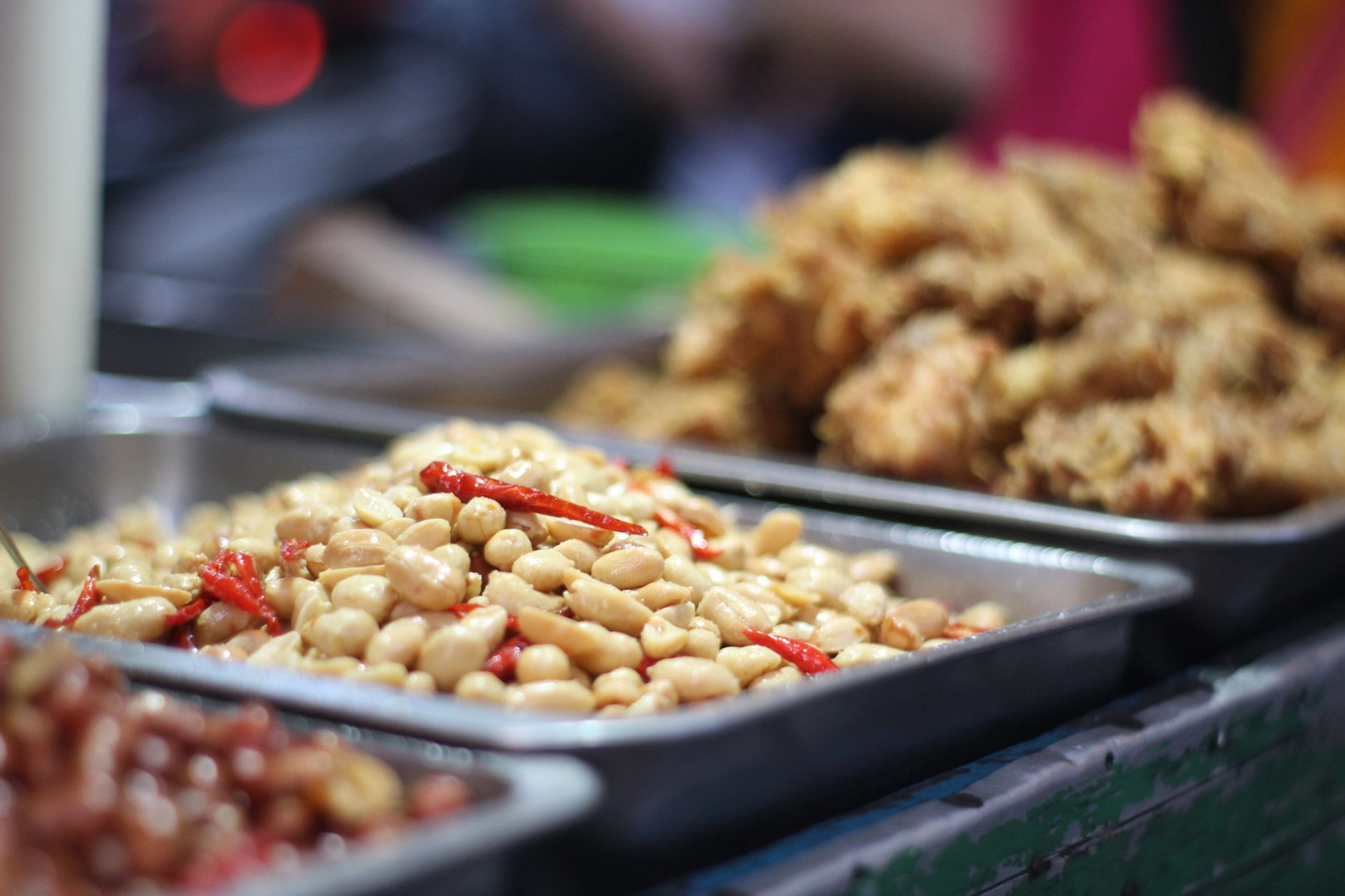
Burnt peanuts, a unique snack characterized by their crunchy, caramelized exterior and nutty interior, hold a special place in the hearts of many. Often found at fairs, street vendors, and various regional traditions, they deliver a rich flavor experience that many people cherish. Understanding the origins and cultural backgrounds behind burnt peanuts can enrich your appreciation for this delightful treat.
Distinctly popular in southern United States cuisine, particularly in states like Georgia and Alabama, burnt peanuts provide a deeper connection to the historical practice of roasting nuts. This article explores the origin, cultural significance, and preparation methods of burnt peanuts, offering insights into their place in food history.
Where Is Burnt Peanut From?
Burnt peanuts are primarily from the southern United States, particularly known in Georgia and Alabama. Their origins can be traced back to the long tradition of roasting nuts, often conducted by street vendors or at county fairs. The act of intentionally burning peanuts during roasting creates a distinctive flavor and texture that has become a culinary signature in these regions.
The Origins of Burnt Peanuts
The practice of roasting peanuts dates back to pre-colonial times, particularly among indigenous communities in the Americas who grew and utilized peanuts for their nutritional value. When European settlers arrived, peanuts began to spread in popularity. However, it wasn’t until the late 19th and early 20th centuries that the concept of “burnt” peanuts emerged as a notable delicacy. Street vendors in the South began roasting peanuts over open flames, which sometimes resulted in charred skins, giving them a unique flavor and crunch.
A significant contributor to the popularity of burnt peanuts is the annual Georgia Peanut Festival, celebrating the peanut harvest and featuring a wide array of peanut-based snacks, including burnt peanuts. The states of Georgia and Alabama have festivals dedicated to the peanut, emphasizing its agricultural importance and cultural significance.
Flavor Profile and Texture
Burnt peanuts are characterized by their robust flavor, featuring a mix of nuttiness and caramelized sugar. The outer layer is crunchy, owing to the slight charring that results from the roasting process, while the inside remains soft and creamy. This delightful contrast in textures makes burnt peanuts an enjoyable snack.
The bitterness from the burnt exterior pairs intriguingly with the natural sweetness of the peanut, creating a well-rounded flavor profile that appeals to many snack enthusiasts. The unique taste often elicits nostalgia as many associate burnt peanuts with childhood memories, fairs, and family gatherings.
Traditional Methods of Making Burnt Peanuts
Creating burnt peanuts is surprisingly simple. The foundational technique involves roasting raw peanuts until they develop a slightly burnt exterior, which enhances their flavor dramatically. Here’s how you can replicate this method at home.
Essential Equipment
- Oven or stovetop
- Heavy-duty frying pan or baking sheet
- Wooden spoon or spatula for stirring
- Container for storage
Ingredients
- 2 cups raw peanuts (unsalted)
- 1 tablespoon vegetable oil (optional)
- Salt to taste
Preparation Method
- Preheat your oven to 350°F (175°C) if using that method, or prepare your stovetop.
- If you’re using oil, toss the raw peanuts in a bowl with oil and salt until evenly coated.
- Spread the peanuts in a single layer on a baking sheet or in a frying pan.
- For oven roasting, place the peanuts in the preheated oven and roast for about 20–25 minutes; stir every 10 minutes to ensure even cooking.
- If using a stovetop, roast the peanuts over medium heat, stirring frequently, for about 10–15 minutes. Watch closely to avoid burning too much.
- Once the peanuts are golden brown and have an aromatic nutty smell with a hint of char, remove them from the heat.
- Allow them to cool before tasting. They will become crunchier once cooled.
- Store in an airtight container to maintain freshness.
Common Mistakes to Avoid
When making burnt peanuts, common pitfalls can occur. Here are tips to ensure a successful batch:
- Overcooking: Watch the peanuts closely while they roast, as they can go from perfectly cooked to burnt very quickly.
- Inconsistent stirring: Not stirring enough may lead to uneven cooking, causing some peanuts to burn while others remain uncooked.
- Lack of seasoning: Salt can enhance the flavor significantly; ensure to add it either during cooking or immediately after roasting.
Variations of Burnt Peanuts
While the traditional burnt peanut recipe is simple, there are various ways to customize this treat to suit your taste preferences.
Spicy Burnt Peanuts
Add crushed red pepper flakes or cayenne pepper to your oil before roasting for a spicy kick. This variation is ideal for those who prefer a more pronounced heat alongside the nutty flavor.
Sweet Burnt Peanuts
For a sweeter version, sprinkle a thin layer of sugar over the peanuts during the last few minutes of roasting. This will give them a caramelized crust that contrasts nicely with the burn flavor.
Herbed Burnt Peanuts
Add dried herbs like rosemary, thyme, or even garlic powder to your peanuts before roasting for a unique savory spin. This can elevate your burnt peanuts to a gourmet snack.
Serving Suggestions
Burnt peanuts can be enjoyed on their own as a satisfying snack or incorporated into various dishes. Here are some serving suggestions:
- Serve them as part of a homemade trail mix combined with dried fruit and chocolate.
- Incorporate them into salads for added crunch and flavor.
- Use burnt peanuts as a topping for ice cream or yogurt for a unique dessert experience.
- Pair with beers and cocktails as a bar snack or appetizer.
Storage and Reheating
To store burnt peanuts, keep them in an airtight container at room temperature. Properly stored, they can last for up to a month while retaining their crunchy texture. If they lose their crunch, reheat them in the oven at a low temperature for a few minutes before serving again.
Cultural Significance of Burnt Peanuts
Burnt peanuts have a nostalgic quality associated with southern culture. They evoke memories of county fairs, family reunions, and street fairs, creating a sense of community and shared experience. The popularity of burnt peanuts also reflects the agricultural heritage of the southern states, particularly Georgia, which is known as the Peanut Capital of the World.
The peanut’s versatility extends beyond just being a snack; it’s a symbol of resilience and resourcefulness, turning a humble legume into a beloved treat. Street vendors play an essential role in the tradition of burnt peanuts, as they bring this snack to public gatherings, maintaining cultural and culinary traditions that have been passed down through generations.
Conclusion
Burnt peanuts are a delicious snack with a rich history rooted deep in southern culture. Whether you enjoy them at community fairs, from street vendors, or at home, these nutty delights offer a unique combination of flavors and textures. Learning more about their origins and experimenting with different preparation methods can enhance your appreciation of this traditional Southern treat. Next time you crave a crunchy snack, try making your own batch of burnt peanuts!
For more delicious recipes, you may enjoy our guides on boiled peanuts and peanut butter fudge. Explore the versatile world of peanuts and add new flavors to your culinary repertoire.