
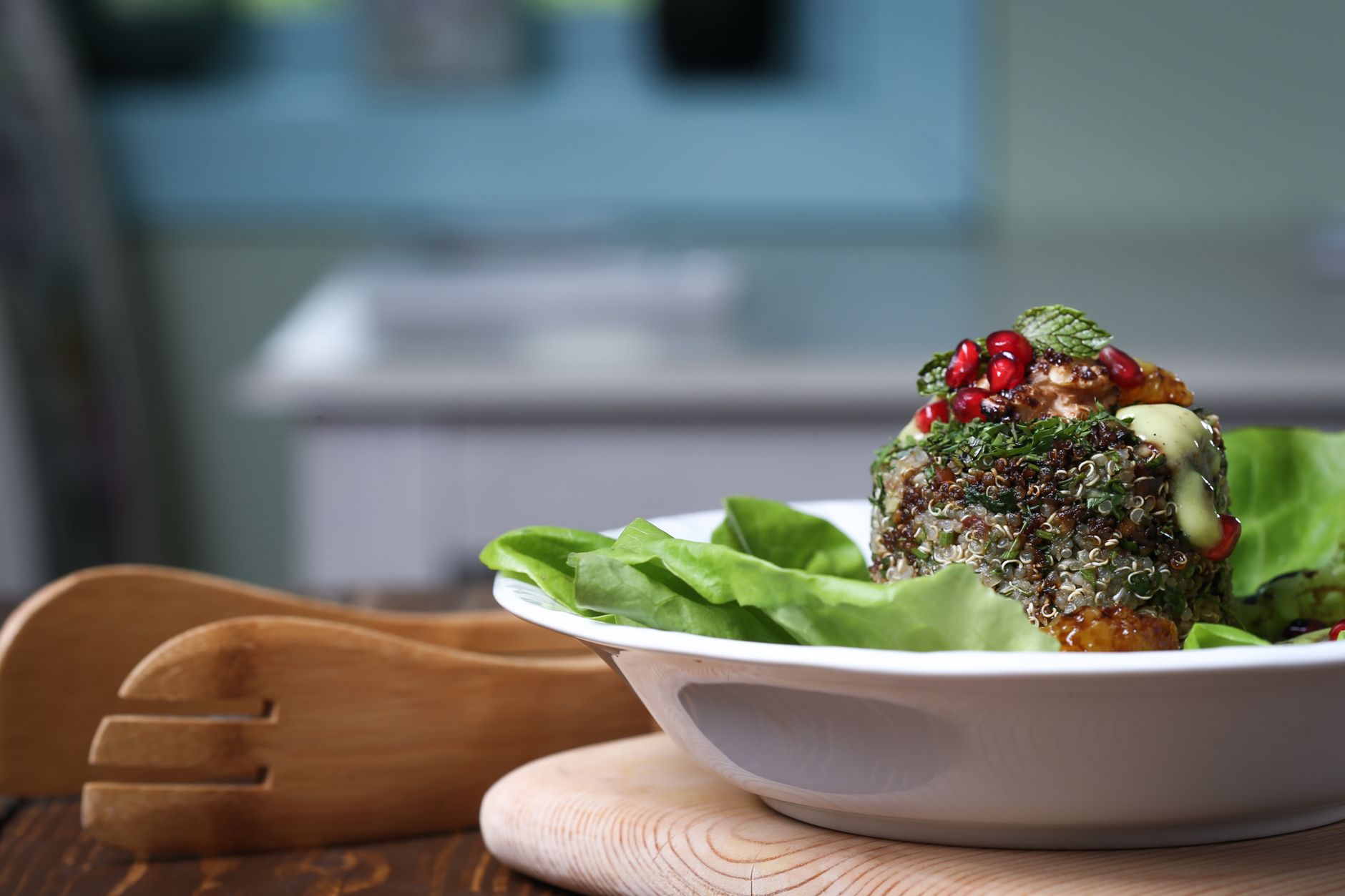
Quinoa has gained popularity as a nutritious grain alternative packed with protein and fiber. However, some individuals experience stomach pain after consuming it. This article will address why quinoa may cause discomfort, how long those symptoms might last, and provide practical tips for storage and preparation to minimize digestive issues.
Understanding the source of stomach pain is essential, especially if quinoa is a staple in your diet or a part of a new meal plan. The good news is that with proper cooking and storage, quinoa can be enjoyed without unpleasant side effects.
How Long Does Quinoa Stomach Pain Last?
The duration of quinoa-related stomach pain can vary widely among individuals, but it typically lasts from a few hours to a couple of days. Factors such as individual tolerance, existing digestive conditions, and the way quinoa is prepared significantly influence how long discomfort may persist.
Possible Causes of Stomach Pain from Quinoa
Before delving into storage and preparation methods, it’s essential to understand the potential causes of stomach pain associated with quinoa consumption. Here are the primary culprits:
- Saponins: Quinoa seeds are coated with saponins, which can impart a bitter taste and may cause digestive upset in sensitive individuals. Rinsing quinoa thoroughly before cooking helps to remove these compounds.
- Phytates: Quinoa contains phytates that can inhibit mineral absorption and may lead to digestive issues like bloating or constipation.
- Fiber content: Quinoa is high in fiber, which can cause stomach cramps or bloating, especially for those not accustomed to a high-fiber diet.
- Food intolerances: Some individuals may not tolerate quinoa well, potentially due to gluten sensitivity or other individual dietary restrictions.
Managing and Reducing Stomach Pain from Quinoa
While some degree of discomfort may occur, various strategies can help minimize the risk of experiencing stomach pain after eating quinoa.
1. Rinse Thoroughly
As mentioned earlier, rinsing quinoa before cooking is crucial. This process can help eliminate saponins and reduce bitterness. Use a fine-mesh strainer, rinsing the quinoa under cold water for 1 to 2 minutes, making sure to rub the grains between your fingers.
2. Cook Properly
Cooking quinoa correctly can also alleviate potential digestive issues. Here’s how:
- Water Ratio: Use a 2:1 water-to-quinoa ratio for optimal results.
- Cooking Time: Simmer the quinoa for about 15 minutes until the grains are fluffy and the water is absorbed.
- Take it Slow: Gradually increase the amount of quinoa in your diet to allow your digestive system to adjust.
3. Portion Control
If you frequently experience discomfort, consider reducing the quantity of quinoa consumed in one sitting. Start with smaller portions and gradually work up to larger servings as your body adjusts.
4. Combine with Digestive Aids
Pairing quinoa with foods that aid digestion can help, such as:
- Fermented Foods: Foods like sauerkraut or kefir may help balance gut flora.
- Ginger or Peppermint: These can help soothe digestive upset when consumed alongside quinoa dishes.
How Long Does Quinoa Last? (Storage Guide)
Properly storing quinoa can help maintain its quality and nutritional value. Here’s how to ensure quinoa remains fresh and safe to consume.
1. Storing Uncooked Quinoa
Uncooked quinoa should be stored in an airtight container in a cool, dark place. A few important points include:
- Duration: When stored correctly, uncooked quinoa can last for up to five years.
- Temperature: Store quinoa at room temperature or in a pantry or cupboard away from heat.
2. Storing Cooked Quinoa
If you have leftover cooked quinoa, store it as follows:
- Refrigeration: Place cooked quinoa in an airtight container and store it in the fridge, where it will remain fresh for up to five days.
- Freezing: For longer storage, you can freeze cooked quinoa. Spread it out on a baking sheet to freeze individually, then transfer it to a freezer-safe container. Cooked quinoa can last for up to eight months in the freezer.
3. Signs of Spoilage
Always check for signs of spoilage before consuming quinoa. Indicators include:
- Unpleasant smell: A rancid or off odor may indicate spoilage.
- Discoloration: Changes in color or the presence of mold are signs that quinoa is no longer safe to eat.
- Insect infestation: If you notice bugs in your quinoa, discard it immediately.
How to Prepare Quinoa for Optimal Digestion
Preparing quinoa correctly not only enhances its flavor but also improves digestibility. Here’s a step-by-step guide to preparing quinoa:
- Rinse the grains: Use a fine-mesh strainer and rinse the quinoa under cold water for at least one minute.
- Toast (optional): For a nuttier flavor, toast the quinoa in a dry pan over medium heat for 3 to 5 minutes, stirring frequently.
- Boil water: In a saucepan, bring water to a boil (2 cups of water for every cup of quinoa).
- Add quinoa: Once the water is boiling, add the rinsed quinoa and a pinch of salt if desired.
- Simmer: Reduce the heat to low, cover, and let it simmer for about 15 minutes or until the water is absorbed.
- Fluff: Remove from heat, let it sit covered for 5 minutes, then fluff with a fork.
Common Mistakes and Troubleshooting
Even with the best intentions, mistakes can happen during quinoa preparation. Here are some common pitfalls and how to avoid them:
- Under-rinsing: Skipping the rinse step can lead to bitterness. Always rinse thoroughly.
- Incorrect water ratio: Using too little or too much water will affect the texture. Stick to the 2:1 water-to-quinoa ratio.
- Overcooking: Quinoa should be tender yet slightly chewy. Avoid overcooking it, as it can become mushy.
Recipes Featuring Quinoa
Once you’ve mastered quinoa cooking techniques, explore some delicious ways to include this nutritious grain in your meals. Here are a few recipes to get started:
- Chia Pudding Recipe – Pair quinoa with chia seeds for a double dose of nutrition.
- Quinoa and Bean Salad – Combine with colorful beans for a satisfying salad option.
Final Thoughts
Quinoa is a nutritious addition to your diet, but understanding how it affects digestion is vital for maximizing its benefits. By rinsing, properly cooking, and adjusting portion sizes, you can reduce the likelihood of stomach pain. If discomfort persists, consulting a healthcare professional may be necessary to rule out any underlying issues.
Now that you’ve learned how to prepare and store quinoa effectively, consider trying out delicious recipes that incorporate this versatile grain. Explore the linked recipes for inspiration and healthier meal options!