
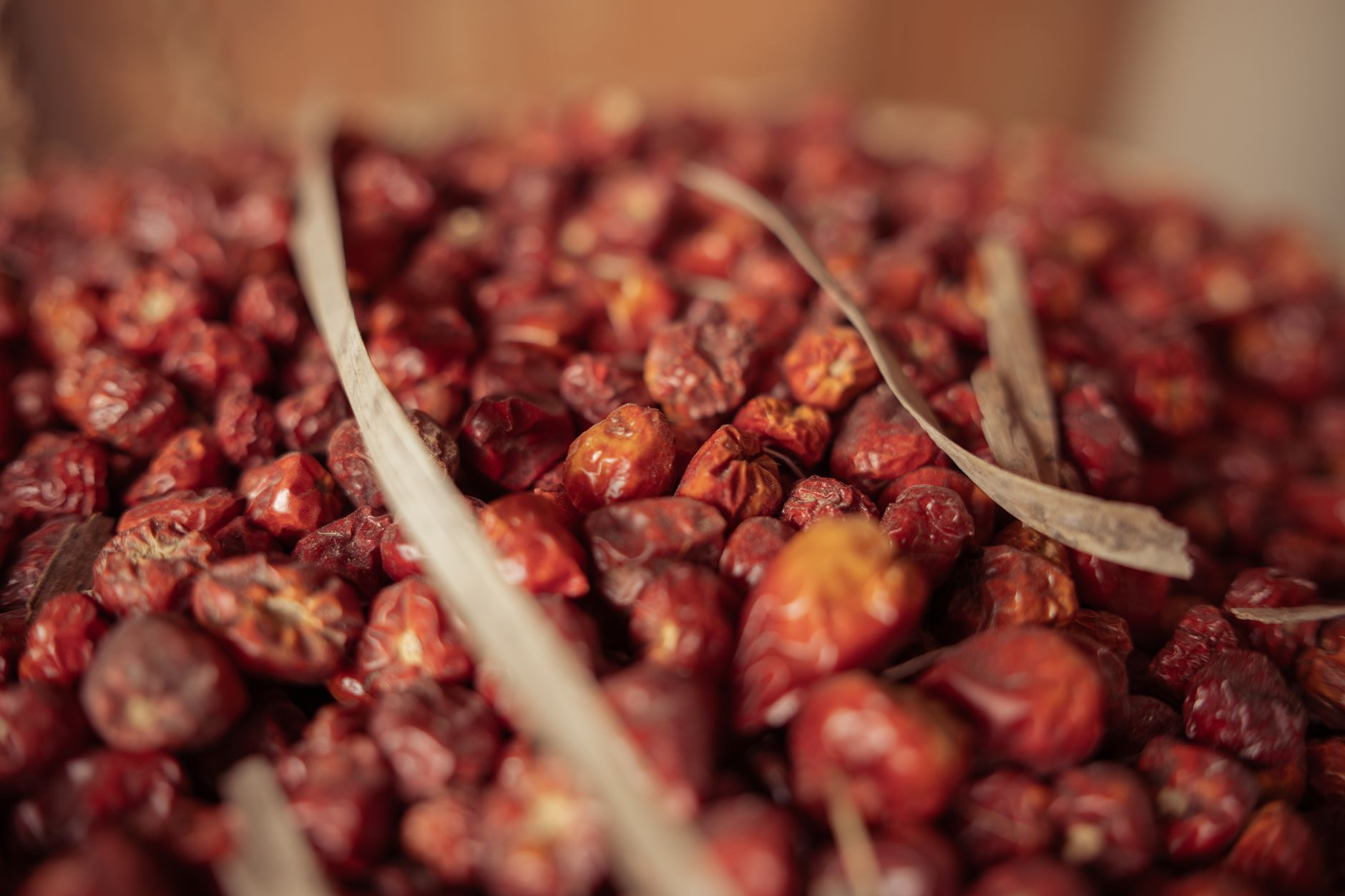
Jujube, also known as red date or Chinese date, is a small fruit prized for its sweet flavor and numerous health benefits. With origins tracing back to Asia, the jujube has made its way into various culinary practices globally. This article will explore what jujube is, its ingredients, flavor profile, culinary uses, and how to serve it effectively.
As a versatile fruit, jujube can be enjoyed fresh, dried, or candied. Whether you are incorporating it into savory dishes or desserts, understanding the nuances of jujube will enhance your cooking experience. Let’s dive into the details of this intriguing fruit.
What Is Jujube?
Jujube (Ziziphus jujuba) is a small, drupaceous fruit that resembles a date. It grows on deciduous trees native to Eurasia, and the fruit can vary in color from green to deep red-brown, depending on ripeness. The flesh is sweet and can be eaten fresh, but is more commonly dried and used in traditional dishes.
Jujube is rich in nutrients, containing vitamins like A and C, minerals such as potassium and calcium, and beneficial compounds that are believed to support various health aspects. In many cultures, jujubes are celebrated not only for their flavor but also for their potential medicinal properties.
Ingredients of Jujube
Jujube fruit consists primarily of the following components:
- Water: Makes up a majority of the fruit’s composition.
- Carbohydrates: Jujubes are high in sugars, giving them their characteristic sweetness.
- Fiber: Contributes to digestive health.
- Vitamins: Contains vitamin C, supporting immune function.
- Minerals: Includes calcium, potassium, iron, and magnesium.
- Antioxidants: Rich in flavonoids, which help combat oxidative stress.
Flavor Profile of Jujube
The flavor of jujube is often described as sweet, akin to that of a date, with subtle notes reminiscent of apples and cinnamon. When dried, jujubes become more concentrated, intensifying their sweetness and developing deeper caramel-like flavors.
Fresh jujubes are crisp and juicy, providing a refreshing crunch similar to that of an apple. As they ripen, their flesh becomes softer, making them suitable for a wider range of culinary applications.
Culinary Uses of Jujube
Jujube’s versatility allows it to be used in both savory and sweet dishes. Below are some common culinary applications:
Fresh Jujube
Fresh jujubes can be enjoyed as a healthy snack. They can be sliced and added to salads, smoothies, or fruit bowls, providing natural sweetness and a unique flavor.
Dried Jujube
Dried jujubes are the most common form of the fruit and can be used in various dishes:
- Soups: Add dried jujubes to broths and soups for added sweetness and depth of flavor.
- Teas: Steep dried jujubes in hot water to make a sweet, nutritious tea.
- Desserts: Use in pastries, jams, and puddings for natural sweetness.
Candied Jujube
Candied jujubes are often used in desserts, offering a chewy texture and sweetness. They are typically used in salads, rice dishes, or consumed on their own as snacks.
Jujube Syrup
Making jujube syrup can add a unique flavor to pancakes, waffles, and cocktails. Simply simmer dried jujubes with water and sugar until you achieve a syrupy consistency.
How to Serve Jujube
Serving jujube can vary depending on its form—fresh, dried, or candied. Here are some practical serving suggestions:
Fresh Jujube
- Wash the jujubes under running water.
- Slice them in half if desired and remove the pit.
- Serve fresh jujubes with cheese or nut spreads as an appetizer.
- Incorporate them into salads or serve alongside yogurt and granola for breakfast.
Dried Jujube
- Rinse dried jujubes to remove any surface dust.
- Soak them in warm water for 30 minutes to soften if using in recipes.
- Stir into hot soups or stews during the last few minutes of cooking.
- Experiment by adding dried jujubes to trail mix or oatmeal for a sweet touch.
Candied Jujube
- Use candied jujubes in desserts like cakes or pastries for added sweetness.
- Chop them into small pieces and mix them into granola or energy bars.
- Pair with cheeses like goat cheese or blue cheese to enhance flavors.
Practical Substitutions for Jujube
While jujube has a unique flavor, there are a few substitutes you can consider depending on the dish:
- Dates: Use in desserts or snacks where sweetness is needed.
- Figs: For savory dishes, figs can provide a similar sweetness and texture.
- Raisins or Dried Cherries: These can work as substitutes in cooked dishes, adding a touch of sweetness and texture.
Common Mistakes When Using Jujube
When incorporating jujube into your dishes, avoid these common pitfalls:
- Using Dried Jujubes Without Soaking: Skipping the soaking step can lead to tough texture; always soak them before use if they’re dried.
- Ignoring Quality: Using poor-quality jujubes can significantly affect the flavor of your dish. Always select fresh or high-quality dried jujubes.
- Overcooking: In soups or stews, add jujubes toward the end of the cooking process to maintain their texture and flavor.
Tips for Cooking with Jujube
When cooking with jujube, consider the following tips:
- Flavor Pairings: Jujubes pair well with spices such as cinnamon, ginger, and star anise. Use these spices to enhance your dishes.
- Balancing Flavors: If using jujubes in savory recipes, balance their sweetness with acidic ingredients like vinegar or citrus.
- Storing Jujube: Store fresh jujubes in the refrigerator and dried jujubes in a cool, dark place in an airtight container.
How to Store Jujube
Proper storage of jujube is essential to maintain its quality:
Fresh Jujube Storage
- Store fresh jujubes in a breathable bag or container in the refrigerator.
- Consume them within a week for the best flavor and texture.
Dried Jujube Storage
- Keep dried jujubes in an airtight container to prevent moisture absorption.
- Store in a cool, dry place away from direct sunlight.
- For extended shelf life, consider refrigeration, but allow them to come to room temperature before using.
Health Benefits of Jujube
While this article does not promise specific health benefits, jujube is often noted for its nutritional value. Here are some general claims associated with jujube consumption:
- May aid digestion due to its dietary fiber content.
- Contains antioxidants that potentially reduce oxidative stress.
- Some studies suggest jujube may support sleep quality when consumed regularly.
Regional Variations and Cultural Significance
Jujube holds cultural significance in various regions, especially in Asia. In China, dried jujubes are often used in traditional medicine, soups, and desserts. In Middle Eastern countries, they appear in sweets and confections.
Traditional Uses in Asian Cuisine
In Chinese cuisine, jujubes are integral to many traditional recipes, often simmered in herbal soups or used in sweet dishes. They are also given during celebrations and festivals as a symbol of happiness and prosperity.
Middle Eastern Perspectives
In the Middle East, jujubes, referred to as “sedr” or “lotus,” are a part of many sweets, often used to enhance flavor profiles in various dishes.
Conclusion
Jujube is a captivating fruit that adds sweetness, texture, and nutritional benefits to numerous dishes. Whether you choose to enjoy it fresh, dried, or candied, its unique flavor can provide a delicious twist to your culinary creations. Explore the various ways to incorporate jujube into your meals to elevate your cooking experience.
For further culinary inspiration, consider exploring related topics such as ingredient guides or cooking techniques to enhance your kitchen skills.