
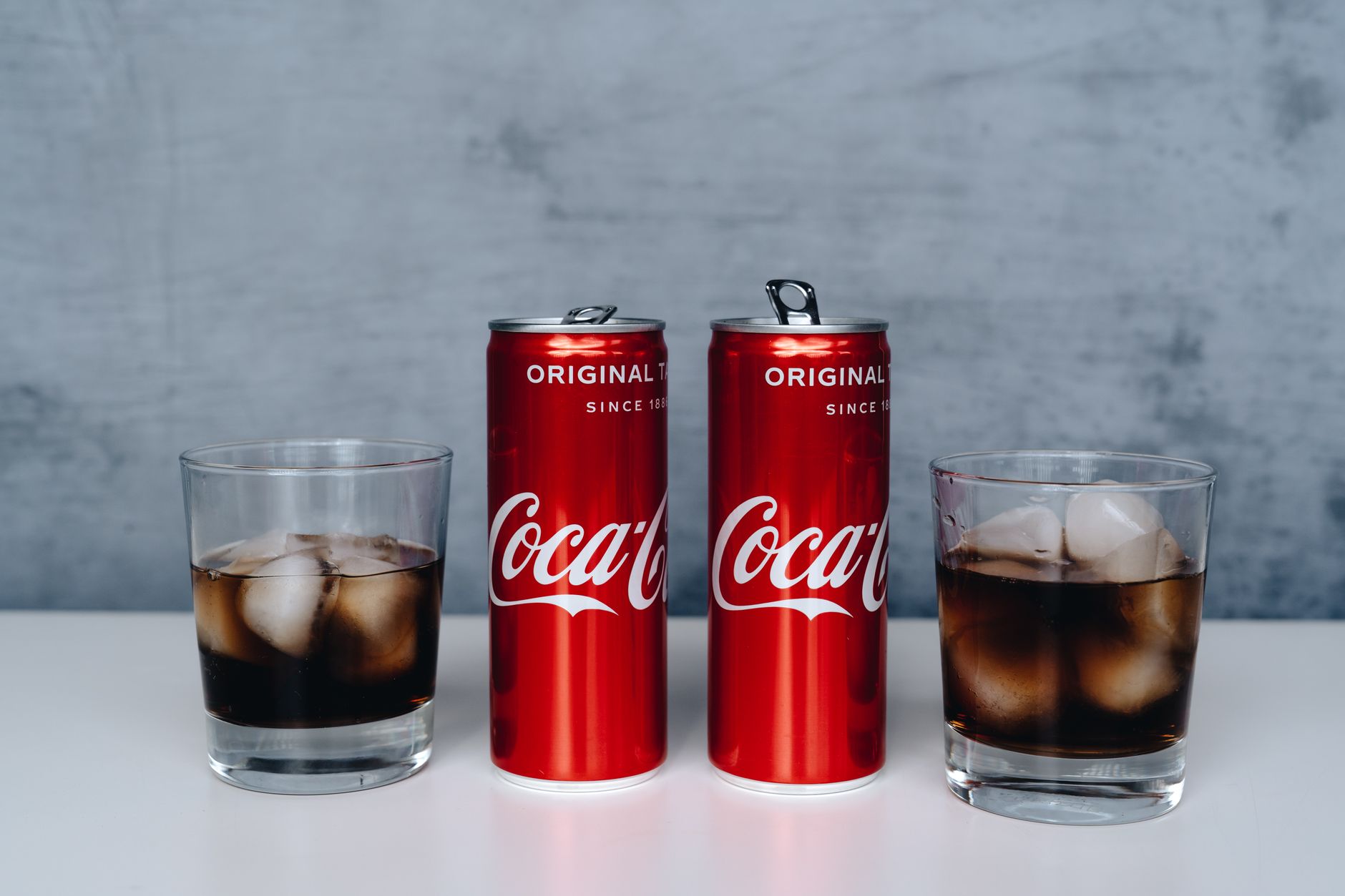
Carbonated drinks, often referred to as sparkling beverages, are refreshing beverages filled with carbon dioxide gas under pressure. This process creates effervescence, resulting in the signature fizz that many enjoy in various drinks. They come in many forms, including sodas, flavored waters, and certain alcoholic beverages, and provide a unique sensory experience in taste and texture.
Understanding carbonated drinks is essential not only because of their widespread popularity, but also due to their diverse culinary applications. From enhancing simple cocktails to adding an interesting twist to your baking, these drinks offer much more than just refreshment. In this guide, we will explore what carbonated drinks are, their composition, taste, uses in the kitchen, and practical tips for using them effectively.
What Is Carbonated Drinks?
Carbonated drinks are beverages that contain dissolved carbon dioxide gas, which creates bubbles and a fizzing sensation when consumed. This carbonation can be achieved through natural fermentation or by injecting carbon dioxide into the liquid under pressure. The most common examples include sodas, sparkling mineral waters, and carbonated juices.
Composition of Carbonated Drinks
The primary ingredient in carbonated drinks is water, which serves as the base. Other components typically include:
- Carbon Dioxide: The gas responsible for carbonation, giving these drinks their characteristic fizz and mouthfeel.
- Sweeteners: These can be natural or artificial and are used to enhance flavor; examples include sugar, high-fructose corn syrup, and artificial sweeteners.
- Flavorings: Natural or synthetic essences that define the taste of the drink, such as fruit extracts, herbs, or spice flavors.
- Acidulants: Ingredients like citric acid are often added to provide tartness and enhance flavor.
Taste Profile of Carbonated Drinks
The taste of carbonated drinks can vary widely depending on the ingredients used:
- Sweetness: Many carbonated drinks, particularly sodas, are sweetened to balance the acidity and bitterness of some flavorings.
- Acidity: Many drinks incorporate citric acid or other acidulants, which provide a tartness that enhances overall flavor.
- Bitterness: Certain drinks contain bitter compounds, especially in some tonics or craft sodas, that can add complexity.
The effervescence itself also contributes to the overall taste experience, as the bubbles can create a refreshing sensation on the palate.
Texture of Carbonated Drinks
Texture plays a significant role in the enjoyment of carbonated drinks:
- Effervescence: The bubbles create a tingling sensation that can make the drink feel more refreshing.
- Mouthfeel: The carbon dioxide can affect the perceived weight of the drink, making it feel lighter and more invigorating.
Common Uses of Carbonated Drinks in the Kitchen
Beyond quenching your thirst, carbonated drinks can be used creatively in various culinary applications:
1. Cooking and Marinating
Many chefs use carbonated beverages in marinades to tenderize meats. The carbonation helps to break down the proteins more effectively, resulting in a tender, flavorful dish. Here’s a simple marinade recipe:
- 1 cup of carbonated drink (like lemon-lime soda)
- 1/4 cup soy sauce
- 2 cloves garlic, minced
- 1 tablespoon of your choice of spices (like crushed red pepper or herbs)
Mix these ingredients together and marinate your choice of meat for at least 1 hour, or overnight for best results.
2. Baking Applications
Carbonated drinks can replace liquids in baking recipes to add a unique texture and flavor. For example:
- Using Soda in Cakes: Substituting soda for water in cake recipes can result in a moister, more flavorful dessert. A popular choice is using cola in chocolate cake recipes.
- Sparkling Water in Pancakes: Replacing the milk in pancake batter with sparkling water can create lighter, airier pancakes.
3. Beverages and Cocktails
Carbonated drinks serve as a base for a variety of cocktails and mixed beverages. Their fizz adds a celebratory element to drinks:
- Classic Cocktails: Many cocktails use carbonated beverages like tonic or club soda to balance stronger spirits.
- Mocktails: This category of non-alcoholic beverages often features sparkling drinks for a refreshing twist.
4. Salads and Dressings
Incorporating carbonated drinks into dressings or salads can add unexpected flavors. A simple salad dressing example includes:
- 1/4 cup carbonated beverage (like sparkling water or flavored soda)
- 2 tablespoons olive oil
- 1 tablespoon balsamic vinegar
- Salt and pepper to taste
Whisk these together for a light, refreshing dressing that will sparkle on your salad.
Practical Tips for Using Carbonated Drinks
When utilizing carbonated drinks in your cooking or baking, consider the following tips:
- Choosing the Right Type: Select a beverage that complements your dish. For example, use a citrus-flavored soda with chicken or a tonic with gin for cocktails.
- Balancing Flavors: Pay attention to sweetness and acidity. If using a very sweet soda, you may want to adjust other sweeteners in your recipe.
- Cold is Key: Ensure carbonated drinks are chilled before usage, as warm beverages will lose carbonation more quickly.
Common Mistakes to Avoid
Using carbonated drinks can be straightforward, but here are pitfalls to watch out for:
- Overmixing: If using soda in batters, gently fold it in to maintain its effervescence and avoid a dense result.
- Not Adjusting Sweetness: Since many sodas are sweetened, be cautious with additional sugars in your recipes, or the final product may be overly sweet.
Storage and Shelf Life
Carbonated drinks typically have a long shelf life, but there are best practices for storage:
- Keep them in a cool, dark place, away from direct sunlight to maintain carbonation.
- Once opened, consume within a few days for optimal fizziness.
Exploring Different Types of Carbonated Drinks
Understanding the different types of carbonated drinks can help you choose the best option for your needs:
1. Soft Drinks
These are typically sweetened carbonated beverages that can range from colas to fruit-flavored drinks. They are often enjoyed as a refreshment.
2. Sparkling Water
This is carbonated plain or flavored water, making it a healthier alternative to sodas while still providing effervescence.
3. Tonic Water
Tonic water contains quinine, providing a characteristic bitter flavor. It’s commonly used as a mixer in cocktails, notably gin and tonic.
4. Alcoholic Sparkling Beverages
These include products like champagne, prosecco, and sparkling wines, which are carbonated and can be used in celebratory toasts or cocktails.
Health Considerations
While carbonated drinks can be enjoyed in moderation, some considerations include
- Moderate sugar consumption, especially for sweetened soft drinks.
- Dental health, as carbonation and sweeteners can contribute to tooth enamel wear.
- For those sensitive to caffeine, be aware of caffeinated soft drinks.
Final Thoughts
Incorporating carbonated drinks into your culinary repertoire can enhance both simple and sophisticated recipes. Their versatility—from beverages to baking aids—opens up numerous possibilities in the kitchen. As you explore different flavors and textures, the right carbonated drink can elevate your dishes and refresh your palate.
If you’re ready to shake things up, consider experimenting with carbonated drinks in your next meal or cocktail. You can also explore delicious recipes like the Espresso Tonic Recipe or craft a refreshing Gold Rush Cocktail Recipe.