
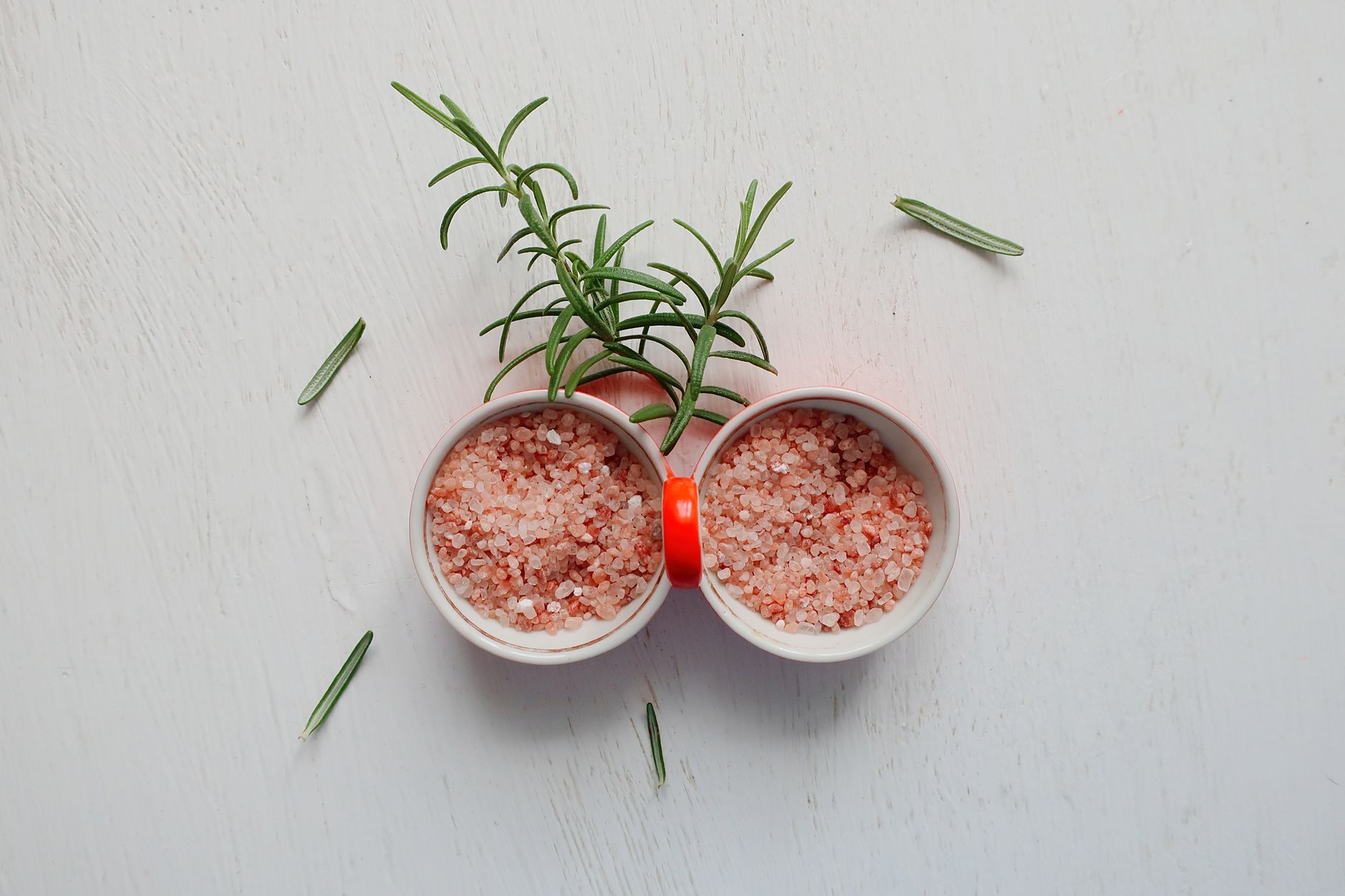
Seasoning salt is a versatile blend that adds flavor and depth to a variety of dishes, from meats to vegetables. It typically contains a combination of salt, spices, and other flavor enhancers designed to elevate your cooking effortlessly. Understanding what seasoning salt is and how to use it effectively can transform ordinary meals into flavorful experiences.
This guide explores the ingredients, uses, and practical tips for incorporating seasoning salt into your cooking. Whether you’re a novice looking to spice up your meals or an experienced cook wanting to refine your flavor profiles, this comprehensive overview is here to help.
What Is Seasoning Salt?
Seasoning salt is a pre-mixed spice blend primarily made up of salt combined with various herbs, spices, and flavor enhancers. It allows cooks to season their food quickly and effectively, saving time while ensuring robust flavors. Common ingredients include garlic powder, onion powder, paprika, and a variety of dried herbs.
Seasoning salt can differ in composition based on regional preferences and specific brands. Some blends may incorporate additional ingredients like sugar, acid, or even umami boosters such as mushroom powder. The result is a flavor-packed seasoning that enhances the taste of many dishes.
Ingredients in Seasoning Salt
While there is no standardized recipe for seasoning salt, most blends share a few key ingredients. Below is a breakdown of the common components:
- Salt: The base of any seasoning salt, which enhances overall flavor.
- Garlic Powder: Provides a savory, aromatic quality.
- Onion Powder: Adds sweetness and complexity to dishes.
- Paprika: Offers both color and a mild sweet heat.
- Dried Herbs: Such as parsley, basil, or thyme for additional flavor layers.
- Black Pepper: Adds warmth and a bit of spice.
- Optional Ingredients: Sugar, mustard powder, and hot pepper flakes can also be included for a customized flavor.
How to Make Your Own Seasoning Salt
Creating your own seasoning salt at home is simple, allowing you to customize the flavor profile to suit your preferences. Here’s a basic recipe to get you started.
Ingredients:
- 1 cup coarse sea salt or kosher salt
- 2 tablespoons garlic powder
- 2 tablespoons onion powder
- 1 tablespoon paprika
- 1 tablespoon dried parsley
- 1 teaspoon black pepper
Instructions:
- In a clean, dry bowl, combine all ingredients.
- Mix thoroughly to ensure even distribution.
- Transfer the mixture to an airtight container.
- Store in a cool, dry place and use as needed.
How to Use Seasoning Salt
Seasoning salt can be employed in a variety of cooking methods and applications. Here are some practical tips for incorporating it into your meals:
Meats
Seasoning salt works wonderfully on meats, adding flavor without the need for multiple spices. Here’s how to use it:
- Rubbing: Apply seasoning salt directly onto the surface of the meat before cooking. This enhances the flavor and helps to create a delicious crust when seared or grilled.
- Marinades: Mix seasoning salt into marinades for chicken, beef, or pork to impart flavor while the meat soaks.
- Sprinkle: For recipes requiring cooked meat, simply sprinkle seasoning salt over after cooking for an extra burst of flavor.
Vegetables
Seasoning salt adds a punch to roasted or sautéed vegetables. You can enhance vegetable dishes by:
- Pre-cooking: Toss vegetables in seasoning salt before roasting or grilling.
- After Cooking: Lightly dust finished vegetables to revive flavors before serving.
- Soups and Stews: Stir seasoning salt into soups or stews for bolstered taste.
Snacks
Sprinkle seasoning salt on snacks for an upgraded flavor. Here’s how to use it:
- Popcorn: Flavor your popcorn with seasoning salt for a savory treat.
- Potato Chips: Add a dash of seasoning for an instant flavor explosion.
Breakfast Dishes
Seasoning salt can also enhance breakfast staples:
- Eggs: Use seasoning salt when scrambling or frying eggs for extra flavor.
- Avocado Toast: A sprinkle on top elevates the taste and adds complexity.
Timing for Using Seasoning Salt
When using seasoning salt, timing is key to achieving optimal flavor. Here are some practical guidelines:
- Before Cooking: For meats, apply seasoning salt 30 minutes before cooking to allow the flavors to penetrate.
- During Cooking: Add seasoning salt to soups and stews while they are simmering to enhance flavor as it develops.
- After Cooking: A light dusting of seasoning salt right before serving can boost flavor freshness.
Common Mistakes to Avoid with Seasoning Salt
While seasoning salt can be a fantastic tool, there are a few common pitfalls to watch out for:
- Over-seasoning: Since seasoning salt is salt-heavy, it can easily overpower a dish. Start with a small amount and adjust to taste.
- Ignoring Base Ingredients: If a recipe already includes salty ingredients (like soy sauce or bacon), reduce the amount of seasoning salt accordingly.
- Using as the Only Seasoning: While seasoning salt is convenient, consider using additional herbs and spices for complexity.
Serving Suggestions for Seasoned Dishes
When planning to serve dishes seasoned with seasoning salt, consider how to pair them for an enjoyable dining experience:
- Presentation: Brightly colored vegetables or fresh herbs can provide a pleasing contrast to seasoned dishes.
- Starch Complements: Pair seasoned meats with starchy sides like rice or potatoes that can absorb flavors.
- Mirroring Flavors: Use dishes that echo the flavors of the seasoning salt in sauces, chutneys, or dips.
Make-Ahead Tips for Seasoned Dishes
Many seasoned dishes can be prepared in advance, saving time during busy weeknights. Here are some handy tips:
- Batch Cooking: Prepare larger quantities of seasoned meats or roasted vegetables ahead of time. Store in airtight containers in the fridge for up to four days.
- Freezing: Seasoned meat can be frozen for up to three months. Thaw overnight in the fridge before cooking.
- Meal Prep: Pre-chop vegetables and season them ahead. Just before cooking, they’ll be ready to go.
Storage and Shelf Life of Seasoning Salt
Proper storage of seasoning salt can prolong its freshness:
- Airtight Containers: Store in a glass jar or other airtight container to prevent moisture and clumping.
- Cool and Dark Place: Keep seasoning salt away from heat and light to preserve flavor.
- Shelf Life: Homemade seasoning salt is best used within six months for maximum freshness, while store-bought varieties may last longer, depending on preservatives used.
Substitutions for Seasoning Salt
If you find yourself out of seasoning salt, here are some suitable alternatives:
- Garlic Powder: Mix salt with garlic powder and onion powder as a quick substitute.
- Herb Blends: Combine salt with Italian seasoning or Herbes de Provence for flavor diversity.
- Sodium-Free Options: For a low-sodium alternative, blend dried herbs and spices without salt.
Variations of Seasoning Salt
Experimenting with different seasoning salt blends can yield exciting flavors. Here are a few variations:
- Spicy Seasoning Salt: Add cayenne or chili powder for heat.
- Smoky Seasoning Salt: Incorporate smoked paprika or chipotle powder for a smoky flavor.
- Sweet Seasoning Salt: Combine salt with brown sugar and cinnamon for sweet dishes.
Conclusion
Understanding seasoning salt and how to use it can significantly enhance your cooking experience. With countless applications, the ability to make your own blend, and tips for optimal use, seasoning salt is a valuable addition to any kitchen. Incorporating it thoughtfully will lead to flavorful, rewarding meals.
Explore recipes and further cooking guides, such as a seasoned rice recipe or try your hand at chicken taco seasoning for even more flavor inspiration.