
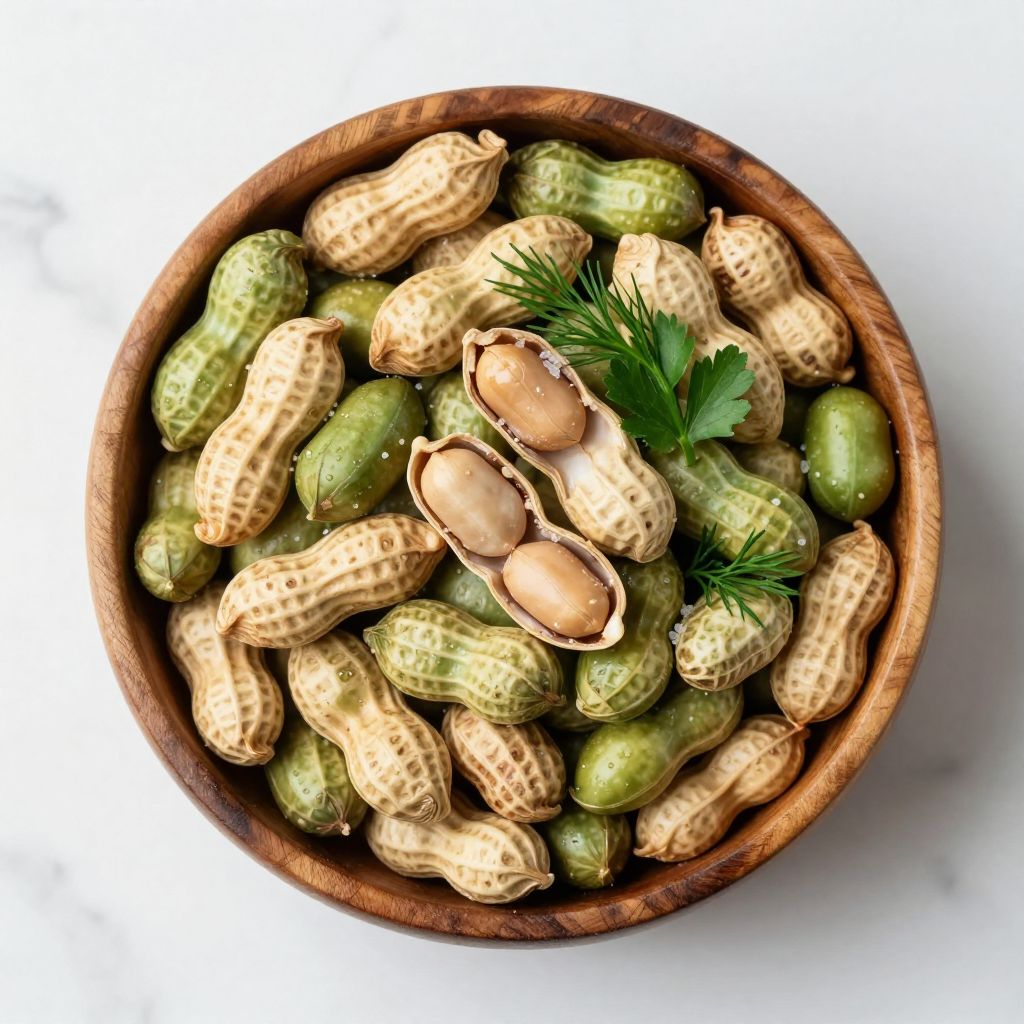
Boiled peanuts recipe brings the authentic taste of Southern comfort food right to your kitchen with just raw peanuts, water, and salt. This traditional snack transforms humble green peanuts into tender, savory bites that are perfect for game day gatherings, backyard barbecues, or whenever you crave something salty and satisfying. Making them at home lets you control the saltiness and create a fresher version than anything you’ll find at a roadside stand.
Once you try homemade boiled peanuts, you’ll understand why Southerners have been obsessed with them for generations. Let me show you how simple it is to make this addictive snack.
Why You’ll Love This Recipe
This recipe strips away any mystery and gives you perfectly seasoned boiled peanuts every single time. You’ll have complete control over the final product with minimal effort required.
- Requires only three ingredients that won’t break your budget
- Hands-off cooking method lets you multitask while they simmer
- Infinitely customizable with different seasonings and spice levels
- Makes enough to feed a crowd or stock your fridge for weeks
- Healthier snack option compared to fried or heavily processed alternatives
My Experience Making This Recipe
I first attempted boiled peanuts after moving to the South and wondering what all the fuss was about at every roadside stand. The soggy, salty shells seemed strange until I cracked one open and tasted the creamy, bean-like interior that had soaked up all that seasoned brine.
My first batch turned out undersalted because I was too cautious with the salt. I learned quickly that these peanuts need a generous amount of seasoning to penetrate those shells and flavor the nuts inside.
Now I make huge batches whenever I find fresh green peanuts at the farmer’s market. My neighbors have started dropping by on boiling days because the smell drifts through the whole block.
Recipe Overview
- Recipe Name: Boiled Peanuts
- Servings: 12
- Prep Time: 10 minutes
- Cook Time: 4 hours
- Total Time: 4 hours 10 minutes
- Course: Snack
- Cuisine: Southern American
- Calories per Serving: 180
Equipment You Will Need
- Large stockpot or Dutch oven (at least 8 quarts)
- Long-handled spoon for stirring
- Colander for draining
- Large bowl for serving
- Measuring cups
- Airtight containers for storage
Ingredients for Boiled Peanuts Recipe
- 2 pounds raw green peanuts in shells (also called fresh peanuts)
- 1 cup kosher salt (plus more for adjusting)
- 8 quarts cold water (enough to cover peanuts by 2 inches)
Ingredient Notes and Substitutions
- Raw green peanuts: These unroasted peanuts contain enough moisture to absorb the brine properly. You can substitute raw dried peanuts, but they’ll need 6 to 8 hours of cooking time instead of 4.
- Kosher salt: This type dissolves evenly and seasons without any chemical aftertaste. Table salt works in a pinch, but use only 3/4 cup since it’s finer and saltier by volume.
- Water: Tap water works perfectly fine for this recipe. Filtered water won’t make a noticeable difference in the final taste.
How to Make Boiled Peanuts Recipe
Step 1: Rinse the Peanuts Thoroughly
Place the raw peanuts in a colander and rinse them under cold running water while rubbing them together to remove any dirt or debris. The shells can harbor quite a bit of field dust that you don’t want ending up in your cooking liquid.
Step 2: Combine Peanuts and Water
Transfer the cleaned peanuts to your large stockpot and add enough cold water to cover them by at least 2 inches. The peanuts will float at first, which is completely normal and why you need that extra water on top.
Step 3: Add the Salt
Pour the kosher salt directly into the pot with the peanuts and water. Stir everything together with your long-handled spoon until the salt completely dissolves into the water.
Step 4: Bring to a Boil
Place the pot over high heat and bring the entire mixture to a rolling boil without covering it. This initial boil helps the brine start penetrating the shells right away, which gives you better seasoning throughout.
Step 5: Reduce Heat and Simmer
Once the water reaches a full boil, reduce the heat to medium-low to maintain a gentle simmer. Cover the pot with a lid, leaving it slightly cracked to allow steam to escape and prevent boiling over.
Step 6: Cook Until Tender
Let the peanuts simmer for about 4 hours, stirring every 30 minutes to ensure even cooking. Start testing for doneness after 3 hours by carefully removing a peanut, letting it cool for a minute, then cracking it open to taste the texture.
Step 7: Test for Doneness
The peanuts are ready when they have a soft, bean-like texture that’s easy to bite through without being mushy. They should taste well-seasoned throughout, not just on the outside, so keep simmering if they still taste bland or firm in the center.
Step 8: Rest and Serve
Turn off the heat and let the peanuts sit in the hot brine for 30 to 60 minutes. This resting period allows them to absorb even more salt and develop deeper flavor without additional cooking.
Step 9: Drain and Enjoy
Drain the peanuts in a colander, but save a cup of the brine if you want to store them in liquid to keep them from drying out. Serve the boiled peanuts warm in a big bowl and let everyone dig in with their hands.
Pro Tip: Don’t throw away that cooking liquid right away. Taste it and if it’s not too salty, you can reuse it for your next batch of boiled peanuts by adding fresh water and a bit more salt to compensate for what the first batch absorbed.
Tips for the Best Boiled Peanuts Recipe
- Check your water level every hour and add more hot water if needed to keep the peanuts fully submerged. Exposed peanuts won’t cook evenly and will end up tough.
- Taste the brine after 2 hours of cooking and add more salt if it tastes too mild. The water should taste as salty as seawater for proper seasoning.
- Use green peanuts within a few days of purchasing them for the best texture. Older green peanuts dry out and take much longer to soften.
- Stir the pot regularly to prevent peanuts from sticking to the bottom and scorching. Burnt peanuts will ruin the whole batch with a bitter flavor.
- For extra flavor, add Cajun seasoning, Old Bay, hot sauce, or whole garlic cloves to the cooking liquid. Start with small amounts since you can’t remove seasoning once it’s in there.
- Let impatient guests know that eating them hot is fine, but the flavor actually improves after sitting in the brine overnight in the fridge. Cold boiled peanuts become a different but equally delicious experience.
Common Mistakes to Avoid
- Using roasted peanuts instead of raw ones will give you disappointingly hard, inedible results. Roasted peanuts can’t rehydrate properly no matter how long you boil them.
- Not using enough salt leaves you with bland peanuts that taste like wet cardboard. You need that full cup of salt for 2 pounds of peanuts, trust me.
- Removing the peanuts from heat too early results in crunchy, undercooked centers. They need the full cooking time to reach that signature soft texture.
- Boiling at too high a temperature breaks down the peanuts into mush. A gentle simmer preserves their structure while still cooking them through.
- Draining them immediately after cooking doesn’t give the seasonings time to fully penetrate. That resting period makes a huge difference in flavor distribution.
Serving Suggestions
Boiled peanuts shine as a casual snack that pairs beautifully with ice-cold beer and other relaxed warm-weather foods. Serve them in big communal bowls and provide another bowl for the shells.
- Set them out alongside barbecue ribs, pulled pork sandwiches, and coleslaw for an authentic Southern spread
- Pair with ice-cold sweet tea, lemonade, or your favorite light beer
- Serve at tailgate parties with hot dogs, chips, and other portable snacks
- Offer them as a pre-dinner appetizer with raw vegetables and dip
- Pack them in containers for road trips, fishing trips, or beach days
Variations to Try
- Cajun boiled peanuts: Add 1/4 cup of Cajun seasoning and 2 tablespoons of hot sauce to the cooking liquid for a spicy kick that builds with each bite.
- Garlic boiled peanuts: Toss in 10 to 12 smashed garlic cloves and 2 tablespoons of garlic powder for an aromatic version. The garlic mellows during the long simmer and infuses everything with savory depth.
- Sweet and spicy boiled peanuts: Stir in 1/4 cup of brown sugar, 2 tablespoons of chili powder, and 1 tablespoon of cayenne pepper. The sweetness balances the heat in an unexpectedly delicious way.
- Asian-inspired boiled peanuts: Add 1/2 cup soy sauce, 3 star anise pods, and 2 cinnamon sticks for a five-spice flavor profile. These taste incredible and offer a completely different take on the classic.
- Beer-boiled peanuts: Replace 2 quarts of the water with your favorite beer for added complexity and a subtle malty flavor. Darker beers give you richer, more robust results.
Dietary Adaptations
- Gluten-free: This recipe is naturally gluten-free as written, but double-check any seasoning blends you add since some contain wheat-based fillers.
- Dairy-free: Already dairy-free with no modifications needed.
- Vegan: Completely plant-based and vegan-friendly as is.
- Low-carb: Boiled peanuts fit into low-carb diets with about 8g net carbs per serving, though the high salt content means you should watch your portion sizes on keto.
Storage and Reheating
Refrigerator
Store boiled peanuts in an airtight container covered with their cooking liquid or fresh brine made from 1/4 cup salt per quart of water. They’ll keep for up to 7 days in the fridge.
- Keep them submerged in liquid to prevent them from drying out and becoming rubbery
- Eat them cold straight from the fridge or bring to room temperature
- Drain before serving to avoid a watery mess
Freezer
Freeze boiled peanuts in freezer-safe bags or containers for up to 6 months. Remove as much air as possible before sealing to prevent freezer burn.
- Drain them well before freezing to save freezer space
- Portion them into smaller bags for easier thawing
- Label with the date and any seasoning variations you used
Reheating
Warm refrigerated or frozen boiled peanuts by simmering them in salted water for 10 to 15 minutes. You can also microwave them in a covered bowl with a splash of water for 2 to 3 minutes.
- Add extra salt to the reheating water if they taste bland
- Stir halfway through microwaving for even heating
- Let them rest for 5 minutes after reheating to redistribute moisture
Nutrition Information
| Nutrient | Amount |
|---|---|
| Calories | 180 |
| Total Fat | 14g |
| Saturated Fat | 2g |
| Carbohydrates | 10g |
| Fiber | 2g |
| Sugar | 1g |
| Protein | 8g |
| Sodium | 1200mg |
| Cholesterol | 0mg |
Nutrition values are estimates based on standard ingredients and may vary based on specific brands used and portion sizes consumed. The sodium content is high but can be reduced by using less salt in the cooking liquid.
Frequently Asked Questions
Can I use raw dried peanuts instead of green peanuts?
Yes, but they’ll require significantly longer cooking time, typically 6 to 8 hours or more. Dried peanuts have lost most of their moisture and need extra time to rehydrate and soften properly.
Can I make boiled peanuts in a slow cooker?
Absolutely, and it’s actually easier since you don’t have to monitor the stove. Cook on high for 8 hours or low for 14 to 16 hours, checking for doneness after the minimum time.
Why do my boiled peanuts taste bland?
You likely didn’t use enough salt or didn’t cook them long enough for the brine to penetrate. Add more salt to the cooking water and let them simmer longer, then rest in the brine for at least an hour.
How do I know when boiled peanuts are done?
Remove one peanut, let it cool slightly, then crack it open and taste it. The texture should be soft and yielding like a cooked bean, not crunchy or firm.
Can I reduce the salt for a healthier version?
You can reduce it to 3/4 cup, but going lower will give you underseasoned peanuts that lack the characteristic salty punch. The salt is what makes boiled peanuts taste right, so accept them as an occasional indulgence rather than trying to make them diet food.
What should I do with leftover cooking liquid?
You can reuse it for another batch by adding fresh water and adjusting the salt level. Some people also use it as a flavorful base for soups or cooking beans, though it will be quite salty.
Final Thoughts
Boiled peanuts might seem unusual if you didn’t grow up with them, but they’re genuinely addictive once you acquire the taste. The soft, salty texture and endless seasoning possibilities make them a snack worth exploring, whether you’re tailgating or just looking for something different to munch on.
Give this recipe a try next time you spot fresh green peanuts at the market. Your kitchen will smell amazing, and you’ll have plenty to share with curious friends who’ve never experienced this Southern classic.
Boiled Peanuts
Ingredients
Equipment
Method
- Place the raw peanuts in a colander and rinse them under cold running water while rubbing them together to remove any dirt or debris.
- Transfer the cleaned peanuts to your large stockpot and add enough cold water to cover them by at least 2 inches.
- Pour the kosher salt directly into the pot with the peanuts and water. Stir everything together with your long-handled spoon until the salt completely dissolves into the water.
- Place the pot over high heat and bring the entire mixture to a rolling boil without covering it.
- Once the water reaches a full boil, reduce the heat to medium-low to maintain a gentle simmer. Cover the pot with a lid, leaving it slightly cracked to allow steam to escape.
- Let the peanuts simmer for about 4 hours, stirring every 30 minutes to ensure even cooking. Start testing for doneness after 3 hours by carefully removing a peanut, letting it cool for a minute, then cracking it open to taste the texture.
- The peanuts are ready when they have a soft, bean-like texture that's easy to bite through without being mushy. They should taste well-seasoned throughout.
- Turn off the heat and let the peanuts sit in the hot brine for 30 to 60 minutes. This resting period allows them to absorb even more salt and develop deeper flavor.
- Drain the peanuts in a colander, but save a cup of the brine if you want to store them in liquid. Serve the boiled peanuts warm in a big bowl.