
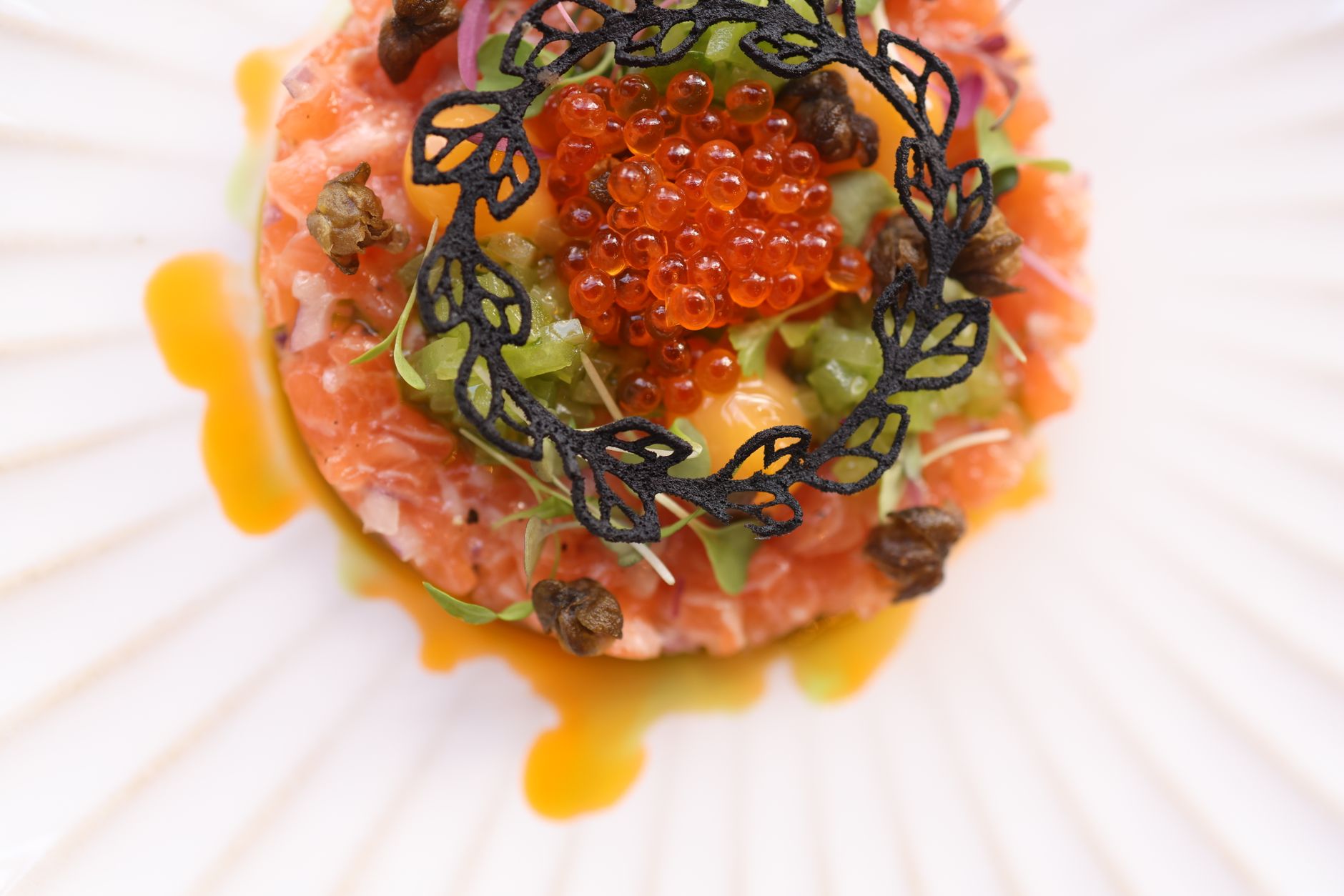
Fish roe, commonly known as fish row, refers to the fully ripe eggs of fish that are often harvested for culinary use. This ingredient is not only celebrated for its unique flavor but also for its versatility across various cuisines around the world. Whether enjoyed as caviar, used in sushi, or incorporated in a variety of sauces, fish roe adds a touch of luxury and umami depth to dishes.
In this article, we will explore the different types of fish roe, their flavor profiles, culinary applications, and how best to serve them. You’ll also learn about their nutritional benefits and how to properly store them to maintain freshness.
What Is Fish Row?
Fish roe consists of fish eggs that are typically harvested from various species, including salmon, sturgeon, and herring. Depending on the fish type, roe can differ significantly in terms of size, color, and flavor, making it a captivating ingredient for both professional chefs and home cooks.
Different Types of Fish Roe
Fish roe comes in many varieties, each with its distinct taste and texture. Here are some of the most popular types:
- Caviar: Caviar is the most famous type of fish roe and is derived primarily from sturgeon. It is considered a delicacy and is known for its rich, briny flavor and smooth texture. Popular types include Beluga, Osetra, and Sevruga.
- Salmon Roe: Also known as Ikura in Japanese cuisine, salmon roe features large, orange eggs with a pop and a slightly sweet flavor. It is often used in sushi and as a garnish for various dishes.
- Trout Roe: Smaller than salmon roe, trout roe is known for its vibrant orange or reddish hue and delicate flavor. It is often used in spreads and salads.
- Herring Roe: Herring roe tends to be small and has a firm texture, commonly found in Scandinavian cuisine. It is often pickled or served on toast.
- Capelin Roe: Capelin roe is tiny and can be found in various colors, including orange and black. Often used in sushi, it has a slightly salty taste.
Flavor Profiles of Fish Roe
The flavor of fish roe greatly depends on the species of fish it comes from, as well as its processing method. Generally, fish roe has a briny, oceanic taste that can vary from mild to robust. Here’s a deeper look into some flavor characteristics:
- Caviar: The flavor is highly complex, often described as buttery, nutty, and rich, with a lingering umami quality.
- Salmon Roe: Mild and slightly sweet, salmon roe has a fresh taste reminiscent of the ocean.
- Trout Roe: Delicate and mild with a subtle sweetness, making it suitable for a range of dishes.
- Herring Roe: Slightly stronger in flavor, often pickled to enhance its taste, bringing extra tanginess.
- Capelin Roe: Typically briny and savory, ideal for enhancing other flavors on a sushi roll.
Culinary Uses of Fish Roe
Fish roe can elevate many dishes and infuse them with unique flavors and textures. Here are some common culinary applications:
- Sushi and Sashimi: Fish roe is a popular topping for sushi, where it adds flavor and visual appeal. It can be served in rolls, nigiri, or as a garnish.
- Canapés: Roe can be spread on crackers or toast, paired with cream cheese or butter, to create elegant canapés for parties.
- Pasta Dishes: Incorporating fish roe into pasta sauces, such as in a creamy carbonara, can add a depth of flavor.
- Salads: A sprinkle of fish roe over salads adds both a burst of flavor and a touch of luxury.
- Roe on Eggs: Fish roe can be served atop scrambled eggs or in omelets for a decadent breakfast.
How to Serve Fish Roe
When it comes to serving fish roe, presentation is key. Here are some practical tips for serving:
- Choose the Right Vessel: Serve fish roe in small bowls or on a bed of ice to keep it chilled. This also allows guests to see the color and texture.
- Pair Wisely: Consider contrasting flavors; for example, serve with sour cream or crème fraîche, which balances the saltiness of the roe.
- Garnishes: Top dishes with fresh herbs, lemon wedges, or finely chopped onions to enhance the presentation and flavor profile.
- Texture: Incorporate textures; pairing roe with crispy elements like crackers or toast adds an enjoyable contrast.
Cooking with Fish Roe
Fish roe can be enjoyed raw or cooked, depending on the dish and personal preference. Here are some suggestions on how to incorporate it into your cooking:
Raw Applications
- Gently layer ikura on sushi rolls, ensuring not to overpower the other flavors.
- Mix with a bit of soy sauce and serve as a dip for sashimi.
- Combine with avocado and lime for a refreshing salad topping.
Cooked Applications
- Stir into pasta just before serving for a creamy, rich flavor.
- Incorporate into a quiche for a unique spin on the classic dish.
- Add to soups at the end of cooking for an added depth of flavor without losing texture.
Nutritional Benefits of Fish Roe
Fish roe is not just a gourmet ingredient; it also packs a nutritious punch. While values may vary depending on the type, here are some general benefits:
- High in Omega-3 Fatty Acids: Fish roe is an excellent source of Omega-3s, which are essential for heart health and brain function.
- Rich in Vitamins: Contains vitamins A, D, E, and B12, crucial for various bodily functions.
- Good Source of Protein: Fish roe provides a significant amount of protein, making it a suitable addition to many diets.
- Low in Carbohydrates: It’s a low-carb option for those following keto or similar diets.
Choosing and Storing Fish Roe
When purchasing fish roe, consider the following tips:
- Freshness: Opt for roe that is bright in color and firm to the touch. Avoid any that appears dull or has an unpleasant odor.
- Packaging: Check that the packaging is intact, and look for the expiration date to ensure freshness.
Storage Tips
Proper storage is essential for maintaining the quality and safety of fish roe:
- Refrigeration: Keep fish roe refrigerated at all times, ideally below 40°F (4°C).
- Sealed Containers: Store in an airtight container to prevent exposure to air and moisture, which can spoil the roe.
- Freezing: Some types of roe can be frozen, but be sure to check quality and guidelines before doing so.
Common Mistakes When Using Fish Roe
When working with fish roe, several pitfalls can diminish its potential. Here’s a guide to avoid common mistakes:
- Overcooking: Roe can lose its delicate texture and flavor if overcooked. Aim to add it towards the end of cooking.
- Using Strong Flavors: Pairing fish roe with overpowering flavors can overshadow its unique taste. Keep seasonings minimal and complementary.
- Ignoring Freshness: Always prioritize freshness; spoiled roe can lead to foodborne illnesses.
Substitutions for Fish Roe
If you find yourself without fish roe, consider these alternatives:
- Keta Salmon Roe: Slightly less expensive and still offers a similar texture and briny flavor.
- Seaweed or Plant-Based Alternatives: These can provide a similar texture and are suitable for vegetarian options.
- Puffed Rice or Quinoa: For a crunchy substitute that can add texture to a dish without the fishy flavor.
Fish roe is a versatile ingredient that can elevate a wide range of dishes. From sushi to canapés, its unique flavors and textures make it a sought-after addition in many cuisines. Whether you’re brewing up a special meal or seeking to impress guests, incorporating fish roe can add an element of sophistication.
Explore the different realms of fish roe to enhance your cooking repertoire, and don’t forget to experiment with various pairings and preparations. For more delicious recipes, consider checking out our guide on fish cakes or discover how popcorn is made for a delightful snack idea alongside your gourmet dishes.