
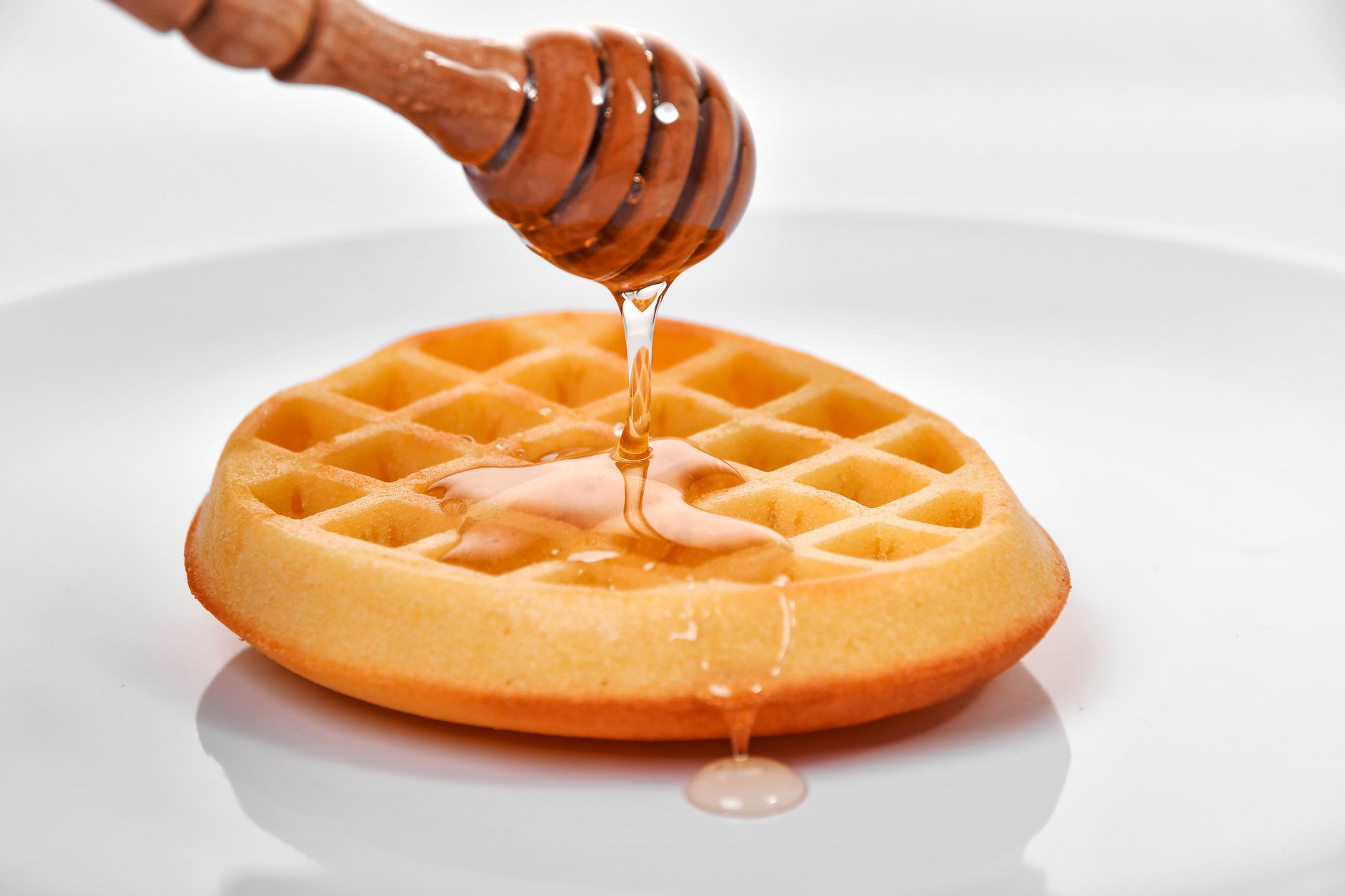
Sopapillas are delightful deep-fried pastries that originate from the Spanish-speaking communities of the American Southwest and Mexico. These light and fluffy treats are traditionally served as a dessert or alongside savory dishes, providing a perfect balance of sweetness and texture.
This article will explore the origins, ingredients, flavors, and serving suggestions for sopapillas, as well as tips on making them at home for a delicious treat any time of day.
What Is a Sopapilla?
A sopapilla is a fried pastry, typically made from a simple dough that includes flour, baking powder, salt, water, and sometimes butter or shortening. Once fried, they puff up into soft, pillowy delights that can be enjoyed plain or garnished with honey, powdered sugar, or fruit fillings. The texture is light and airy on the inside, with a slightly crisp exterior.
Ingredients for Sopapillas
To make sopapillas at home, you’ll need the following basic ingredients:
- 2 cups all-purpose flour
- 1 teaspoon baking powder
- ½ teaspoon salt
- 2 tablespoons unsalted butter or shortening (optional)
- ¾ cup warm water
- Vegetable oil (for frying)
Ingredient Breakdown
Each ingredient serves a specific purpose in the sopapilla dough:
- Flour: The foundation of the dough, providing structure.
- Baking Powder: Serves as a leavening agent, allowing the dough to rise and puff up when fried.
- Salt: Enhances flavor and strengthens the dough’s structure.
- Butter or Shortening: Adds richness and tenderness to the pastry. Omitting this ingredient will result in a slightly firmer texture.
- Water: Hydrates the flour, creating a cohesive dough.
- Vegetable Oil: Used for frying, it should have a high smoke point to achieve perfect frying.
Sopapilla Flavor Profile
The flavor of sopapillas is primarily influenced by the simple ingredients used. The taste can be described as subtly sweet, with a delicate richness from the butter or shortening. When served with honey or dusted with powdered sugar, the sopapillas take on a delightful sweetness that complements their light, airy texture.
Texture and Aroma
When cooked properly, sopapillas feature a crispy exterior that gives way to a tender, fluffy interior. They should have a light golden-brown color when fried. The aroma of freshly fried sopapillas is enticing, with a warm, comforting scent that fills the kitchen.
How to Prepare Sopapillas
Making sopapillas is a straightforward process that can be broken down into several steps. Here’s a simple guide to preparing them:
Essential Equipment
- Mixing bowl
- Rolling pin
- Sharp knife or pizza cutter
- Deep frying pan or heavy-bottomed pot
- Thermometer (for oil temperature)
- Slotted spoon
- Paper towels (for draining)
Method
- In a mixing bowl, combine the flour, baking powder, and salt. Mix well.
- If using, cut in the butter or shortening until the mixture resembles coarse crumbs.
- Gradually add warm water and mix until a soft dough forms. If necessary, adjust with a little more flour or water to achieve the right consistency. The dough should be smooth and slightly tacky but not overly sticky.
- Cover the dough with a damp cloth and let it rest for about 30 minutes at room temperature. This resting period helps to relax the gluten, making it easier to roll out.
- After resting, turn the dough out onto a lightly floured surface. Roll the dough to about ¼-inch thick.
- Cut the dough into squares or triangles, approximately 2-3 inches in size.
- In a deep frying pan or pot, heat vegetable oil to 375°F (190°C). Use a thermometer to ensure the oil is at the correct temperature.
- Fry the dough pieces in batches, taking care not to overcrowd the pan. Fry each piece for about 1-2 minutes per side or until golden brown and puffed up. Monitor the temperature of the oil throughout the frying process.
- Using a slotted spoon, transfer the fried sopapillas to a plate lined with paper towels to drain excess oil.
- Serve warm with honey, powdered sugar, or your favorite dipping sauce.
Common Mistakes When Making Sopapillas
While sopapillas are relatively easy to prepare, there are some common mistakes to avoid:
- Incorrect Oil Temperature: If the oil is too hot, the sopapillas will cook too quickly, becoming dark on the outside while remaining raw inside. If the oil is too cool, they will absorb too much oil and become greasy. Use a thermometer to maintain the proper temperature.
- Overworking the Dough: Kneading the dough too much can lead to tough sopapillas. Mix until just combined and avoid excess handling.
- Skipping the Resting Period: Allowing the dough to rest is essential for getting that fluffy texture. Skipping this step can result in denser pastries.
- Not Enough Flour on the Surface: When rolling out the dough, ensure your surface is adequately floured to prevent sticking. This makes cutting and frying easier.
Serving Suggestions
Sopapillas can be served in various ways, making them a versatile addition to your dining table. Here are some ideas:
- With Honey: Drizzle warm sopapillas with honey or a honey syrup for a classic sweet treat.
- With Powdered Sugar: Dust with powdered sugar for an elegant dessert option.
- As a Side Dish: Serve them alongside chili, soups, or stews as a bread alternative.
- Filled Sopapillas: For a twist, consider filling sopapillas with fruit preserves, chocolate, or cream cheese before frying.
Make-Ahead Guidance
While fresh sopapillas are undeniably the best, you can also prepare the dough ahead of time. Here’s how:
- Preparing the Dough: Make the dough, shape it, and cut into squares or triangles. Wrap the pieces tightly in plastic wrap and refrigerate for up to 24 hours before frying.
- Frying Ahead: If you must fry them in advance, allow them to cool completely, then store them in an airtight container at room temperature. Reheat in a toaster oven or oven for about 5-10 minutes for the best texture.
Storage and Reheating
For best results, enjoy sopapillas fresh out of the fryer. However, if you have leftovers, here’s how to store them:
- Store cooled sopapillas in an airtight container at room temperature for up to 2 days.
- To freeze, allow them to cool, then place in a single layer on a baking sheet until solid. Transfer to a freezer-safe bag or container for up to 3 months.
- When reheating, use an oven or toaster oven for the best texture. Avoid microwaving, as this can make them soggy.
Variations of Sopapillas
Sopapillas can be adapted in many ways to suit different tastes and preferences. Here are some variations to consider:
- Sweet Variations: Add vanilla or cinnamon to the dough for enhanced flavor.
- Savory Sopapillas: Incorporate cheese into the dough or serve with savory dips like salsa or guacamole.
- Mini Sopapillas: For bite-sized snacks, cut the dough into smaller pieces before frying.
How to Customize Your Sopapillas
Customization is part of the fun when it comes to sopapillas. Here are some suggestions:
- For more flavor, consider adding spices like nutmeg or allspice to your dough.
- Experiment with alternative sweeteners like agave or maple syrup for serving.
- Try using flavored oils, like coconut oil, for frying to impart more taste to the sopapillas.
The Cultural Context of Sopapillas
Sopapillas are not only a delicious treat but also a testament to the rich culinary traditions of the regions they come from. Influenced by Spanish, Indigenous, and Mexican cultures, these pastries are often enjoyed at family gatherings, festivals, and celebrations. They embody the warm hospitality of Southwestern culinary traditions.
Conclusion
Sopapillas are a delightful pastry that can bring joy to any meal, whether served as a scrumptious dessert or a savory addition to a main course. With simple ingredients and a straightforward frying technique, they are accessible for home cooks of all skill levels.
To make your own sopapillas at home, gather the ingredients and follow the outlined steps for preparation and frying. Embrace the versatility of sopapillas by experimenting with flavors and fillings to suit your palate.
Explore more about Navajo fry bread, and discover new ways to enjoy diverse culinary delights!