
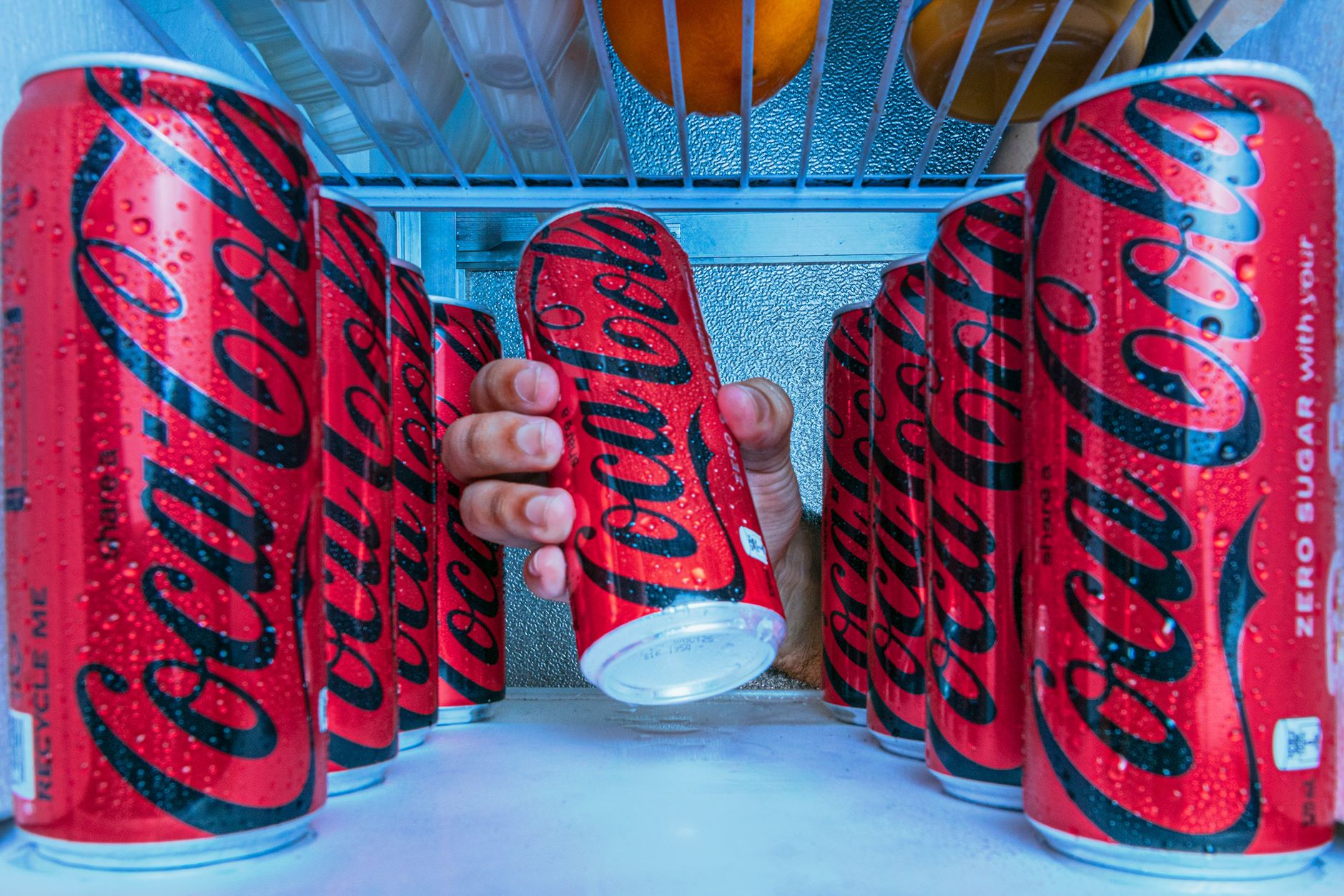
Coke Zero, a popular sugar-free soda from Coca-Cola, has gained a significant following due to its appealing taste and zero-calorie content. However, those who enjoy this fizzy drink often wonder about its caffeine content. Understanding whether Coke Zero contains caffeine can influence choices, especially for those managing their caffeine intake or seeking alternatives.
This article provides an in-depth look into the caffeine content of Coke Zero, its ingredients, and tips for enjoying this soda responsibly. If you’re curious about how Coke Zero stacks up against other popular beverages, read on!
Does Coke Zero Have Caffeine?
Yes, Coke Zero does contain caffeine. A standard 12-ounce can of Coke Zero has about 34 mg of caffeine. This caffeine content is comparable to that found in a regular Coca-Cola and different from its caffeine-free versions.
Understanding Caffeine in Beverages
Caffeine is a naturally occurring stimulant found in a variety of plants. It is most commonly associated with coffee and tea but is also present in many soft drinks and energy drinks. In moderation, caffeine can enhance alertness and focus, but excessive consumption can lead to side effects such as insomnia, restlessness, and increased heart rate.
Caffeine Content in Common Beverages
To compare Coke Zero’s caffeine content with other beverages, here’s a breakdown of the caffeine levels in some popular drinks:
| Beverage | Caffeine per 12 oz |
|---|---|
| Coke Zero | 34 mg |
| Regular Coca-Cola | 34 mg |
| Diet Coke | 46 mg |
| Pepsi | 38 mg |
| Dr Pepper | 41 mg |
| Chai Tea | 30-90 mg (varies) |
| Espresso | 63 mg |
Ingredients in Coke Zero
Understanding the ingredients in Coke Zero can provide clarity about its flavor profile and appeal to certain dietary preferences. Here’s a detailed list of Coke Zero’s primary components:
- Carbonated Water: The base of the drink, providing its refreshing fizz.
- Caramel Color: This ingredient gives Coke Zero its characteristic dark color.
- Phosphoric Acid: Adds a tangy flavor and acts as a preservative.
- Aspertame and Acesulfame Potassium: These artificial sweeteners provide the sweet taste without calories.
- Caffeine: Included for its stimulating effects, as discussed above.
- Natural Flavors: A proprietary blend that provides the signature Coca-Cola flavor.
Benefits and Drawbacks of Caffeine in Coke Zero
While Coke Zero can be an enjoyable drink, it’s essential to understand both the benefits and drawbacks of its caffeine content.
Benefits of Caffeinated Beverages
- Increased Alertness: A moderate amount of caffeine can help enhance focus and reduce fatigue.
- Zero Calories: For those watching their calorie intake, Coke Zero offers a flavorful alternative without the added sugar.
- Convenience: Coke Zero is widely available and offers quick refreshment, especially when you need an energy boost.
Drawbacks of Caffeinated Beverages
- Dependency: Regular consumption can lead to caffeine dependence, requiring more for the same stimulating effect.
- Side Effects: Excess caffeine can lead to restlessness, insomnia, and increased heart rates.
- Artificial Sweeteners: Some individuals prefer to avoid artificial sweeteners, which may cause digestive issues in sensitive individuals.
How to Enjoy Coke Zero Responsibly
For those who choose to drink Coke Zero, moderation is key. Here are some tips for enjoying it responsibly:
- Know Your Limits: Be aware of your overall caffeine intake from all sources, including coffee, tea, and other sodas.
- Stay Hydrated: Balance soda consumption with plenty of water to stay hydrated, particularly if you’re consuming a lot of caffeine.
- Read Labels: Always check the labels on beverages for caffeine content, especially if you’re trying to limit your intake.
Alternatives to Coke Zero
If you’re looking for alternatives to Coke Zero, there are many other options available to consider. These alternatives may offer similar taste experiences or be caffeine-free, depending on your preference:
- Caffeine-Free Coca-Cola: A sugar-sweetened drink without the stimulating effects of caffeine.
- Sprite: A lemon-lime soda with no caffeine and a refreshing taste.
- Herbal Teas: Many herbal teas are naturally caffeine-free and provide different flavors and health benefits.
- Flavored Sparkling Water: A bubbly drink with natural flavors and no added sweeteners or caffeine.
Common Misconceptions About Caffeine
With caffeine being a widely discussed topic, several misconceptions often arise. Here are a few to clarify:
- All Caffeine is Bad: Caffeine has health benefits in moderation but can be harmful in excessive amounts.
- Caffeine-Free Equals Sugar-Free: Just because a beverage is caffeine-free doesn’t mean it’s sugar-free. Always check the ingredients.
- Decaf Coffee is Completely Caffeine-Free: Decaf still contains a small amount of caffeine, usually around 2-5 mg per 8 oz cup.
Nutrition and Health Considerations
While discussing beverages like Coke Zero, it’s worthwhile to consider their broader nutritional context. Although Coke Zero has zero calories, consuming sugary drinks or excessive caffeine can have health implications:
- Balance with Whole Foods: Offset soda consumption with plenty of fruits, vegetables, and whole grains in your diet.
- Manage Sugar Intake: If you consume other soft drinks, keep track of overall sugar intake, especially if switching to Coke Zero to reduce calories.
- Be Aware of Sodium Levels: While not significant, some sodas may have sodium that can impact your overall intake.
Making Informed Choices
As consumers become more health-conscious, understanding what’s in your drinks can help you make informed choices. Here’s what to consider when deciding whether to enjoy Coke Zero:
- Read Ingredients: Familiarize yourself with the ingredient list to understand if Coke Zero aligns with your dietary preferences.
- Consult Health Guidelines: Consider medical advice regarding caffeine and artificial sweeteners to see what’s best for you.
- Monitor Your Body’s Responses: Pay attention to how your body reacts after consuming caffeine and adjust accordingly.
Conclusion
Coke Zero, with its caffeine content equal to that of regular Coca-Cola, fits well into the category of enjoyable, zero-calorie beverages. Whether for its taste, its role in a balanced lifestyle, or its convenience, understanding its caffeine content is essential for making informed beverage choices. Always consume it in moderation, explore alternatives, and maintain a diet rich in whole foods.
To deepen your knowledge about caffeine and popular beverages, consider exploring what caffeine is in Diet Dr. Pepper or discover how much caffeine is in chai tea. These insights can help you navigate the fascinating world of beverages with confidence!