
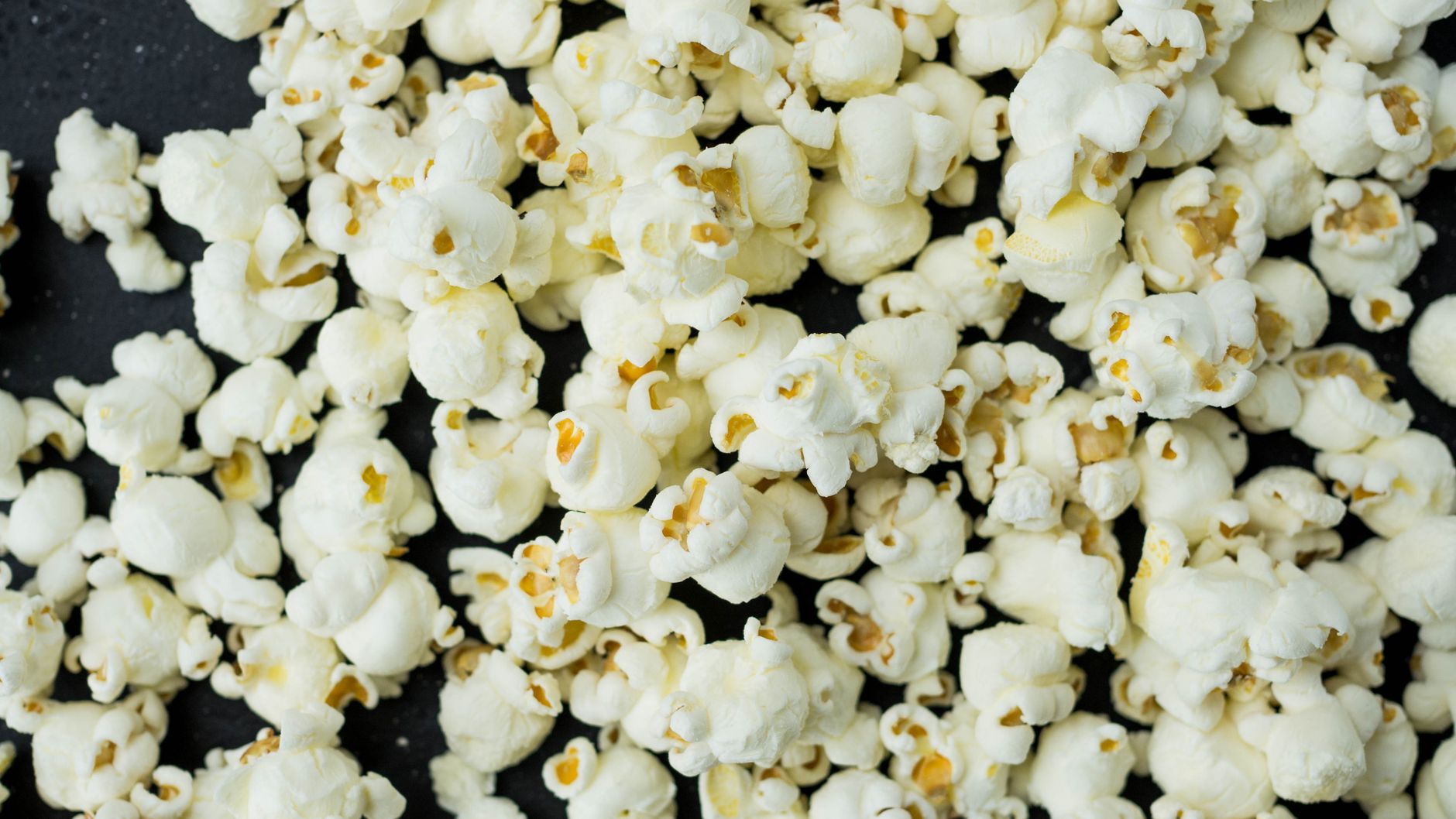
Popcorn is a beloved snack enjoyed by many for its crunch and versatility in flavoring. Understanding how popcorn is made can deepen your appreciation for this popular treat, whether you’re enjoying it at the movies or making it at home. This guide will take you through the entire popcorn-making process, from the kernel to the finished product.
We’ll explore the science behind popcorn, the different methods of preparation, and some tips for achieving the perfect pop. Whether you’re a novice cook or an experienced kitchen enthusiast, you’ll find valuable information that can take your popcorn game to the next level.
How Is Popcorn Made?
Popcorn is made by heating its kernels, which contain moisture inside their tough outer shell. As the kernels heat, the moisture turns into steam and builds pressure until the kernel bursts open, expanding and transforming into the fluffy snack we know. This process is not only fun to watch, but it also involves some interesting chemistry!
The Science Behind Popcorn
Popcorn is a type of corn known scientifically as Zea mays everta. What sets popcorn apart from other varieties is its unique structure, specifically the moisture content and tough outer hull. This combination is critical for popcorn to pop.
- Moisture Content: Popcorn kernels need to have about 13-14% moisture inside for optimal popping. If the moisture level is too low, the kernels will not pop effectively.
- Tough Hull: The outer shell of the popcorn kernel, known as the pericarp, must be strong enough to contain the steam that builds up during heating. When the pressure reaches about 135 psi (pounds per square inch), the kernel explodes.
- Starch Gelatinization: As the kernel heats, the starch inside softens and gelatinizes. When the kernel bursts, the pressure drops dramatically, allowing the gelatinized starch to expand and cool into the airy texture of popped popcorn.
Types of Popcorn Kernels
Not all popcorn kernels are created equal. They come in various types that affect the size, shape, and texture of the popped popcorn. The two most popular types are:
- Butterfly (or Snowflake): This type has irregular shapes with many “wings” and is known for its light, fluffy texture. It holds seasonings well, making it a favorite for flavored popcorn.
- Kernel (or Mushroom): Mushroom popcorn pops into a round, compact shape. It is sturdier, making it ideal for caramel popcorn or coatings that require a firmer structure.
The Different Methods of Making Popcorn
Popcorn can be made using various methods, each yielding different results in flavor and texture. Here’s a look at some popular techniques for making popcorn.
1. Stovetop Method
The stovetop method is straightforward and often preferred for its ability to control the heat and flavoring. Here’s how to do it:
- Equipment Needed: A large pot with a tight-fitting lid, a measuring cup, and a spatula or wooden spoon.
- Ingredients:
- 1/2 cup popcorn kernels
- 2-3 tablespoons of oil (vegetable, canola, or coconut oil works well)
- Salt or seasoning (to taste)
- Heat the Oil: Pour the oil into the pot and heat it over medium heat. Add a few kernels to test if the oil is hot enough; they should pop.
- Add the Kernels: Once the test kernels pop, add the remaining popcorn kernels to the pot. Quickly cover with the lid.
- Popping Stage: Shake the pot occasionally to ensure even heating. Listen for the kernels to start popping rapidly. When the popping slows down to about 2 seconds between pops, remove the pot from heat.
- Season & Serve: Carefully remove the lid (steam will escape). Pour the popcorn into a bowl and season to taste.
2. Microwave Method
This method is the quickest and easiest, often using pre-packaged popcorn bags designed for microwave use, but it can also be done with plain kernels.
- Using Microwave Popcorn Bags: Follow the instructions on the bag, which typically involves placing the bag in the microwave and cooking it on high for 2-4 minutes. Stop when the popping slows down to about 2 seconds between pops.
- Popping Plain Kernels: Place 1/4 cup of popcorn kernels in a microwave-safe bowl. Cover with a microwave-safe lid or plate and microwave on high for about 2-4 minutes, listening for the popping sound.
- Season & Serve: Once the popping slows, remove the bowl from the microwave (it will be hot!). Season to taste.
3. Air Popper Method
An air popper uses hot air to pop the kernels without oil, making it a healthier option. Here’s how to use one:
- Preheat the Popper: Most air poppers require a few minutes to preheat; check the manufacturer’s instructions.
- Measure the Kernels: Use about 1/2 cup of popcorn kernels, placing them in the popping chamber of the air popper.
- Popping Process: Turn on the air popper and watch the corn pop out into a bowl. It usually takes about 2-3 minutes.
- Season & Serve: Once popping is complete, add your desired seasonings.
4. Oven Method
This method is less common but can still yield popcorn. Here’s how to do it:
- Preheat the Oven: Preheat your oven to 400°F (200°C).
- Prepare the Kernels: Spread 1/2 cup of popcorn kernels evenly on a baking sheet or use a roasting pan.
- Popping the Kernels: Bake in the oven for approximately 10-15 minutes. You should start to hear popping sounds.
- Remove & Season: Once the popping slows, take the sheet out of the oven, allow it to cool slightly, and then season.
Essential Tips for Perfect Popcorn
Here are some practical tips to keep in mind when making popcorn, regardless of the method:
- Choose the Right Oil: If using oil, go for one with a high smoke point, like coconut or canola oil, to prevent burning.
- Don’t Overcrowd: Make sure to leave enough space for the kernels to pop freely; overcrowding can lead to burnt popcorn.
- Keep it Covered: Using a lid prevents kernels from flying out and helps maintain heat.
- Experiment with Seasonings: While butter and salt are classic, try spices, cheese, or nutritional yeast for different flavor profiles. You can also explore sweet options like caramel or chocolate drizzle.
Common Mistakes to Avoid
To achieve the best popcorn possible, be aware of these common pitfalls:
- Not Enough Heat: If the heat is too low, the kernels may not pop efficiently. Make sure to use medium to high heat when applicable.
- Old Kernels: Stale or old kernels may not pop effectively. Check the expiration date on your popcorn.
- Leaving on the Heat Too Long: If you leave the popcorn on the heat too long, it can burn. Watch for the popping to slow down significantly.
Storing Popcorn
Proper storage of popcorn kernels and popped popcorn is essential for maintaining freshness:
- Unpopped Kernels: Store in a cool, dry place in an airtight container to preserve moisture levels.
- Popped Popcorn: Store in an airtight container at room temperature for up to a week. Avoid storing in the refrigerator, as humidity can make it chewy.
Conclusion
Making popcorn is a straightforward process that can be tailored to your preferences. From understanding the science behind how popcorn pops to exploring various cooking techniques, knowing how to make popcorn can enhance your experience with this favorite snack.
Next time you’re in the mood for a crunchy, delicious treat, try making popcorn at home using any of the methods shared. If you’re looking for inspiration on flavored popcorn, check out our popcorn balls recipe or explore delicious popcorn seasoning recipes to elevate your snack time!