
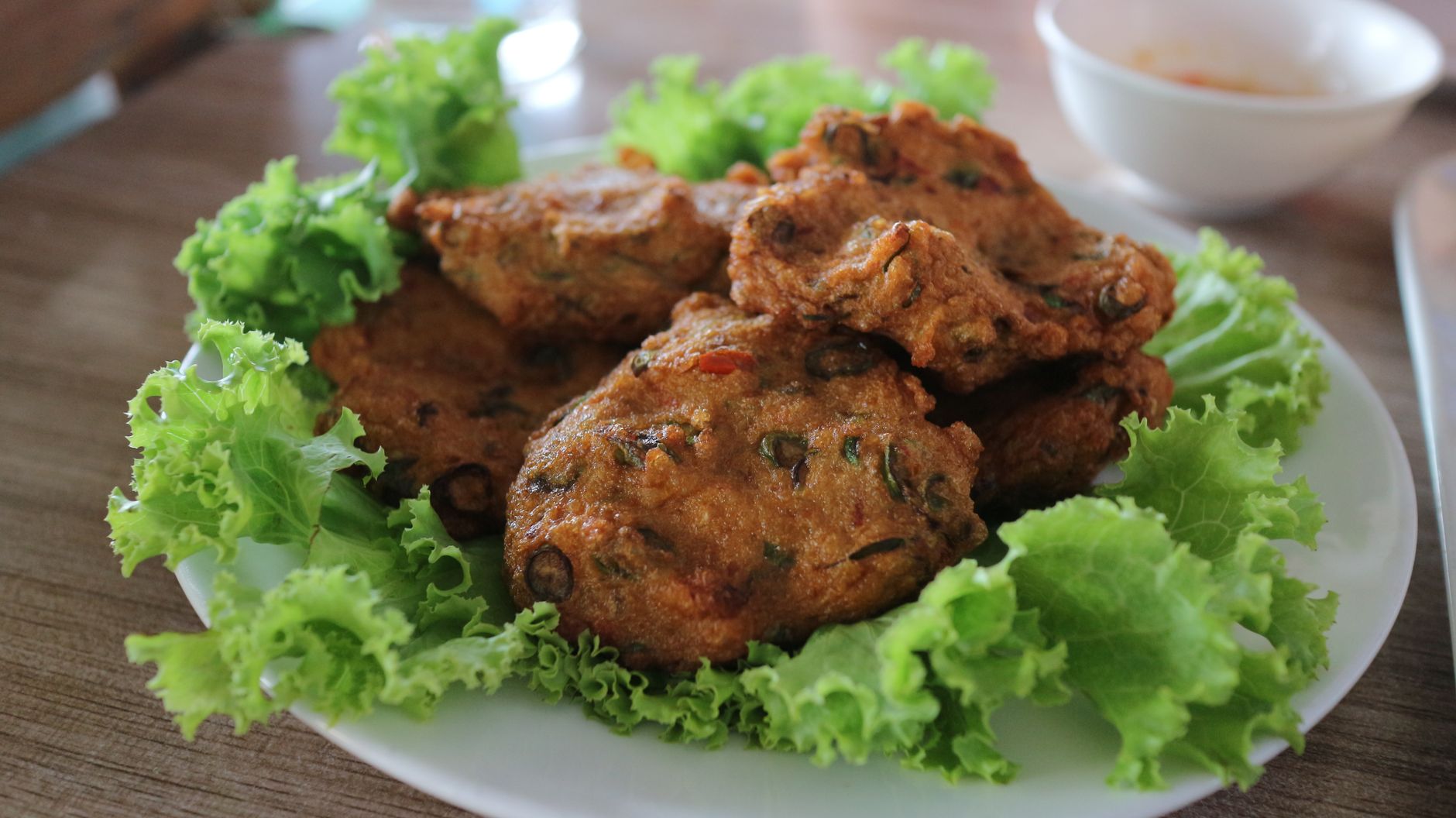
Fish cake, a savory dish that combines fish with various ingredients, has become a beloved staple in many cuisines worldwide. The texture can vary from smooth to chunky, depending on preparation methods and ingredient choice, making it versatile and appetizing for different palates.
This dish typically features ground or flaked fish mixed with binders and seasonings, often shaped into cakes or patties and cooked until golden brown. Here, we will explore the history, variations, and preparation methods of fish cake, along with helpful tips for creating this delectable dish.
What Is Fish Cake?
Fish cake is a dish made primarily from fish, often combined with fillers such as potatoes, bread crumbs, or flour, along with spices and herbs. Cooking methods typically include frying, baking, or steaming, resulting in an enticing texture and flavor profile. Fish cakes are popular in various regions, each with its unique twist on the traditional recipe.
The History and Cultural Significance of Fish Cake
Fish cakes have a rich history that varies among cultures. In Asia, for instance, you might find fish cakes as part of fish ball soup, where they provide protein and texture. In Western countries, fish cakes are often associated with seafood platters and are popular in pubs and restaurants.
Many households create their versions of fish cakes, often passed down through generations. In countries like the United Kingdom, they are often made using white fish and served with tartar sauce. In Japan, fish cakes are crafted from surimi, or processed fish, and are often used in soups and stews.
Common Ingredients in Fish Cake
While the main component of fish cake is fish, several other ingredients usually come into play. Below are the typical components:
- Fish: Common choices include cod, haddock, salmon, or even imitation crab meat.
- Binders: Mashed potatoes, bread crumbs, and flour are frequently used to hold the mixture together.
- Seasonings: Herbs, spices, and aromatics like garlic, onion, or parsley add flavor.
- Liquids: Eggs are often added to bind the mixture, while milk or stock can enhance moisture.
Making Fish Cake: Essential Equipment
Creating fish cakes does not require extensive equipment, but having the following tools can make the process easier:
- Mixing bowl
- Fork or masher for mashing potatoes
- Measuring cups and spoons
- Frying pan or baking sheet
- Spatula for flipping
- Food processor (optional, for smoother texture)
Step-by-Step Guide to Preparing Fish Cake
Here’s how to make fish cake from scratch with a user-friendly approach. The following recipe yields about 4 servings.
Ingredients
- 1 pound of white fish fillets (such as cod or haddock)
- 1 cup of mashed potatoes
- 1 small onion, finely chopped
- 1 tablespoon of lemon juice
- 1 teaspoon of salt
- 1/2 teaspoon of black pepper
- 1 tablespoon of chopped fresh parsley or dill
- 1 egg, beaten
- 1 cup of bread crumbs (for coating)
- Oil for frying
Instructions
- Prepare the fish: Steam or poach the fish until it flakes easily with a fork, then allow it to cool slightly before flaking it into a mixing bowl.
- Add the mashed potatoes: Incorporate the mashed potatoes into the bowl with the flaked fish. Mix until well combined.
- Season: Add the chopped onion, lemon juice, salt, pepper, and parsley or dill to the mixture. Stir well.
- Bind the mixture: Pour in the beaten egg and ensure everything is evenly mixed. The mixture should hold together when formed into patties.
- Shape the cakes: Form the mixture into patties or cakes of desired size, roughly 2-3 inches in diameter.
- Coat the cakes: Dredge each fish cake in bread crumbs, ensuring they are fully covered.
- Cook the fish cakes: Heat a generous amount of oil in a frying pan over medium heat. Fry the fish cakes for about 3-4 minutes on each side, or until they turn golden brown and crisp. Alternatively, bake them in a preheated oven at 375°F (190°C) for about 25-30 minutes, flipping halfway through.
Flavor Variations and Substitutions
Fish cakes are highly customizable. Here are some substitutions and variations to consider:
- Different Fish: You can use salmon, tuna, or even shellfish like shrimp or crab depending on availability and preference.
- Vegetarian Option: Swap the fish for firm tofu or use a vegetable mix (zucchini, bell peppers) bound with chickpea flour for a plant-based version.
- Spices and Seasonings: Experiment with spices like paprika, cayenne, or curry powder for a flavor twist.
- Binders: For gluten-free cakes, use almond flour or gluten-free breadcrumbs instead of regular breadcrumbs.
Common Mistakes to Avoid When Making Fish Cake
When preparing fish cakes, here are some frequent pitfalls to watch out for:
- Over-mixing the fish and potato mixture can lead to dense patties instead of light and fluffy cakes.
- Not using enough oil can result in cakes that stick to the pan. Ensure there is enough oil for frying for a crisp exterior.
- Skipping the resting time can lead to cakes falling apart while frying. Allow them to chill in the refrigerator for 30 minutes before cooking.
Serving Suggestions
Fish cakes make for a versatile meal and can be served in various ways:
- Pair with tartar sauce or a lemon-dill sauce for dipping.
- Serve alongside a fresh salad and some crusty bread for a satisfying meal.
- Use fish cakes in a sandwich with lettuce and tomato for a delightful lunch option.
- Incorporate into a seafood platter with other delicacies like prawns and calamari.
Storage and Reheating Guidelines
Fish cakes can be made ahead of time and stored easily. Here are some recommendations:
- Refrigeration: Keep cooked fish cakes in an airtight container in the refrigerator for up to 3 days. Reheat in the oven or on the stovetop.
- Freezing: Uncooked fish cakes can be frozen. Layer between parchment paper in an airtight container and store for up to 3 months. Cook from frozen, allowing extra cooking time.
- Reheating: Always ensure the fish cake heats to a minimum internal temperature of 165°F (74°C) before consumption.
Global Variations of Fish Cake
Fish cakes vary widely around the world, showcasing local ingredients and culinary traditions:
- Japan: Known as ‘kamaboko,’ these fish cakes are often made from surimi and served in soups.
- Philippines: ‘Kikiam’ represents deep-fried fish cake rolls, usually served with sweet soy sauce.
- Scotland: Fish cakes are a popular pub dish, often served with a side of chips.
- India: Spiced fish cakes called ‘fish tikki’ are made with local spices and served as appetizers.
Practical Tips for Meal Planning with Fish Cake
Fish cakes can be an excellent addition to your meal prep and planning:
- Batch cook fish cakes over the weekend. They freeze well and can be used for quick lunches or dinners throughout the week.
- Consider preparing a variety of fish cakes with different flavor profiles to offer variety in meals.
- Pair fish cakes with various sauces and side dishes to change up the meals easily.
Fish cakes deliver a great mix of flavors, textures, and cultural traditions. They are a formidable dish for any meal, with the ability to adapt to personal preferences and dietary restrictions. Given their versatility, they can elevate both casual family dinners and special occasions.
For further culinary exploration, consider diving into the delicious world of fish with our guide on herring and learn whether you can refreeze fish for your next meal prep.