
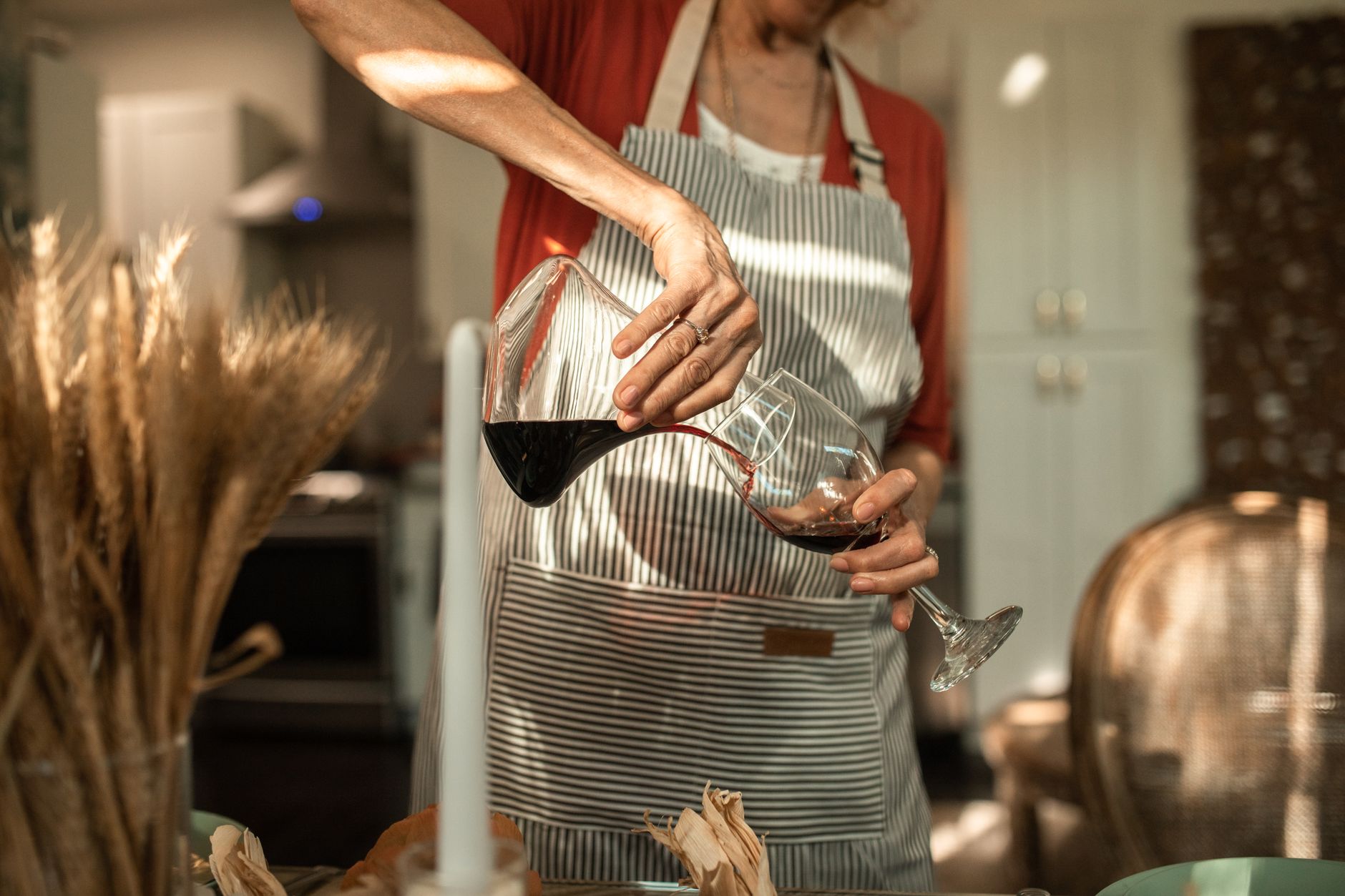
A decanter is a vessel used for serving wine, allowing for aeration and enhancing the drink’s flavors. The process of decanting separates sediment from the liquid while exposing the wine to oxygen, which can significantly improve its aroma and taste.
Understanding what a decanter is, how it works, and when to use one can elevate your wine-drinking experience. In this article, we will explore the types of decanters, the benefits, the best practices for using them, and tips on serving the wine.
What Is a Decanter?
A decanter is typically made of glass or crystal and has a wide base and a narrow neck. This design serves several purposes, making it an essential piece of glassware for wine lovers. The main goal of decanting is to aerate the wine and remove any sediment that may have developed during aging.
Types of Decanters
Several types of decanters exist, each designed for specific types of wines or purposes. While they vary in shape and style, they all serve a similar function. Here are some common types:
- Standard Decanter: The most common type, which usually has a wide base and a long neck for effective aeration.
- Crystal Decanter: Often used as a decorative piece, crystal decanters can enhance the presentation of wine.
- Vintage Decanter: Specifically designed for older wines that may have significant sediment, these decanters often have a more tapered neck.
- Aerating Decanter: Features a unique design that accelerates the aeration process, allowing wine to breathe more quickly.
- Universal Decanter: A versatile choice that can accommodate many different types of wines, making it suitable for casual drinkers.
Benefits of Using a Decanter
Decanting wine offers several advantages that can notably enhance your drinking experience. Here are the primary benefits:
- Aeration: Exposing wine to oxygen helps break down complex compounds, improving flavor and aroma.
- Removing Sediment: Older wines often contain sediment that can affect taste; decanting effectively separates the liquid from these particles.
- Enhancing Presentation: Decanters can serve as an elegant centerpiece table when serving wine, adding a touch of sophistication to any gathering.
- Controlling Temperature: Depending on the decanter material, it can keep wine at a preferred serving temperature for longer periods.
How to Decant Wine
Decanting wine properly ensures you get the most out of the beverage. Here’s a step-by-step guide on how to decant wine:
- Choose the Right Decanter: Select a decanter suitable for the wine type you are serving.
- Prepare the Wine: Allow the wine bottle to stand upright for several hours if sediment is present, so it settles to the bottom.
- Open the Bottle: Carefully open the wine bottle while keeping it upright to minimize disturbance of any sediment.
- Pour Slowly: Tilt the decanter at an angle and pour the wine slowly into the decanter, keeping an eye on the sediment level in the bottle.
- Stop Before Sediment: When you notice sediment reaching the neck of the bottle, stop pouring to leave it behind.
- Let it Breathe: Allow the wine to sit in the decanter for a period, generally 15 minutes to a couple of hours, depending on the wine type.
- Serve: Use the decanter to pour wine into glasses, ensuring an elegant presentation.
How Long Should You Decant Wine?
The time required for decanting varies based on the wine’s age, type, and personality. Here’s a general guideline:
- Young Reds: 1 to 2 hours for maximum aeration.
- Older Reds: 30 minutes to 1 hour to avoid over-aerating.
- White Wines: Around 15 to 30 minutes, particularly those with richer profiles.
- Sparkling Wines: Generally not recommended for decanting, though some prefer to blend their own into a fresh mixer.
Common Mistakes While Decanting
While decanting can significantly improve your wine experience, several common mistakes can diminish the benefits. Here are some mistakes to avoid:
- Decanting Too Early or Too Late: Evaluate the wine before decanting; some young wines need more oxygen, while older wines may become too overexposed if left too long.
- Shaking the Bottle: Always handle the bottle gently to prevent sediment from mixing back into the wine.
- Pouring Too Quickly: Pouring too fast can agitate the wine, delivering an undesirable taste. Take your time.
- Using the Wrong Decanter: Selecting a shape that doesn’t suit the wine can hinder aeration or negatively impact flavor.
How to Clean a Decanter
Proper maintenance and cleaning of your decanter can prolong its life and preserve its function. Follow these steps for effective cleaning:
- Rinse Immediately: After use, rinse the decanter with warm water to remove any remaining wine.
- Use a Decanter Brush: For stubborn stains, use a decanter brush to scrub the inside gently.
- Avoid Soap: Unless it’s necessary, refrain from using soap as it can leave a residue that alters taste.
- Use Vinegar or Baking Soda: For cleaning, a mixture of vinegar and water or baking soda can help lift stains without harsh chemicals.
- Rinse Thoroughly: After cleaning, rinse thoroughly to ensure no cleaning agents remain.
When to Decant Wine
Decanting is not mandatory for every wine, and knowing when to do it can enhance your experience. Here are some situations that call for decanting:
- Older Wines: Red wines aged for many years often benefit from decanting due to sediment.
- Full-Bodied Reds: Wines such as Cabernet Sauvignon, Merlot, and Syrah can be enhanced through aeration.
- Wines from Aged Vintages: If a wine is older, sediment is likely more potent, making decanting an essential step.
- To Enhance Aromas: If you want to bring out a wine’s bouquet, decanting can be beneficial.
Serving Wines from a Decanter
Serving wine from a decanter adds a theatrical element to the experience. Here’s how to do it elegantly:
- Choose Appropriate Glassware: Select wine glasses that enhance the characteristics of the wine you are serving.
- Hold the Decanter Properly: Always hold the decanter by the base when pouring to avoid spills.
- Pour Methodically: Pour while tilting the decanter gently, ensuring the wine flows smoothly without splashing.
- Leave Space: Do not fill the glasses to the brim; leaving some space allows for swirling and aeration in the glass.
- Save Some for Tasting: Keep a little wine in the decanter to taste and affirm the flavor characteristics.
Practical Substitutions for Decanters
If you don’t have a decanter on hand, a few practical alternatives can serve a similar purpose. While these may not provide exactly the same experience, they can help:
- A Wine Carafe: Similar in design, many carafes allow for aeration and can perform effectively in place of a decanter.
- A Pitcher: In a pinch, a clean pitcher can be used to decant wine; make sure it is free from any lingering flavors or odors.
- A Large Bowl: Pouring wine into a wide, shallow bowl can expose it to air effectively.
- Glass Jug: For a rustic touch, a glass jug can serve as a makeshift decanter.
Wine and Food Pairings
Pairing wine with food can significantly elevate your dining experience. Here is a brief guide on how to choose the right wines for your meals:
- Red Meat: Pair full-bodied reds like Cabernet Sauvignon or Syrah with steak or lamb.
- Poultry: Medium-bodied wines like Merlot complement roasted chicken well.
- Fish: For salmon or richer seafood, a Pinot Noir can provide a pleasant balance.
- Vegetables: White wines like Sauvignon Blanc or Vermentino work nicely with vegetable dishes.
- Desserts: Consider sweet wines like Port or Riesling to match with desserts.
Decanter Aesthetics and Styles
Decanters come in various styles, which can dramatically impact their aesthetics and functionality:
- Modern Designs: Sleek and minimalistic styles appeal to contemporary settings.
- Classic Shapes: Traditional shapes often evoke a sense of nostalgia and formality.
- Artistic Formations: Some decanters are crafted as conversation pieces, blending functional and decorative items.
Storing and Maintaining Your Decanter
To ensure longevity and maintain the beauty of your decanter, consider the following tips:
- Store Upright: Keep your decanter stored upright to prevent dust accumulation inside.
- Avoid Extreme Temperatures: Keep it in a stable environment away from heat sources or direct sunlight.
- Regularly Clean: Make a habit of cleaning it after each use to prevent any buildup.
A well-selected decanter can truly enhance both the presentation and enjoyment of the wine. With the right techniques and understanding of each wine’s unique qualities, decanting can be an enriching experience, making every sip memorable.
Explore related guides on enhancing your culinary skills with detailed information on ingredient substitutions or learn about different beer styles like pilsners. These can help expand your knowledge and enjoyment of beverages as you improve your overall dining experience. Check out these helpful articles on substituting rosemary and understanding pilsner beer.