
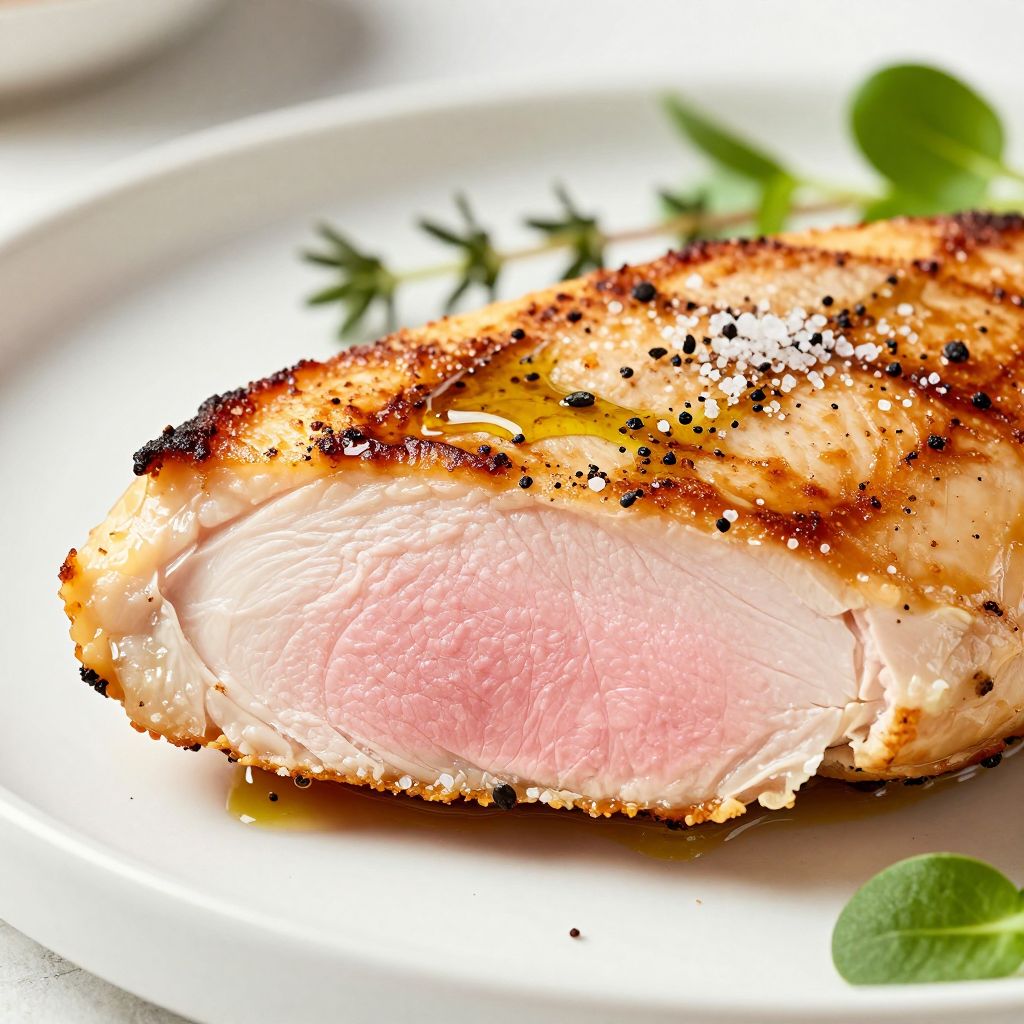
Rosemary has a distinctive pine-like flavor that’s hard to replicate exactly, but the right substitute can save your recipe when you’re out of this popular herb. Whether you’re cooking meat, roasting vegetables, or baking bread, choosing the best alternative depends on understanding what rosemary brings to your dish and matching those qualities with what you have on hand.
This guide will walk you through the best rosemary substitutes for different cooking situations, explain how to adjust quantities, and help you understand which herbs work in specific recipes so you can cook with confidence even when your spice rack falls short.
What Is the Best Overall Substitute for Rosemary?
Thyme is the best all-purpose substitute for rosemary because it shares a similar earthy, slightly minty quality and works well in the same savory dishes. Use fresh thyme in a 1:1 ratio when replacing fresh rosemary, or use dried thyme in equal amounts for dried rosemary. Thyme has a milder flavor profile, so it won’t overpower your dish, and it pairs naturally with the same proteins and vegetables that complement rosemary.
Understanding Rosemary’s Flavor Profile
Before choosing a substitute, it helps to know what makes rosemary distinctive. This Mediterranean herb delivers a strong, aromatic flavor with pine and eucalyptus notes, along with a slightly peppery, woodsy quality.
Rosemary contains compounds that stand up well to long cooking times and high heat, which is why it’s a favorite for roasted meats, grilled vegetables, and slow-cooked stews. The needle-like leaves release their essential oils gradually, infusing dishes with layers of flavor.
The herb also adds a faint camphor-like quality that some people describe as resinous or medicinal in large amounts. This intensity means a little rosemary goes a long way, and any substitute needs to match not just the flavor but also the strength.
Best Rosemary Substitutes for Different Dishes
Thyme
Thyme works across nearly every application where rosemary appears. It has an earthy, slightly floral taste with subtle lemon notes that complement roasted chicken, lamb, pork, potatoes, and Mediterranean vegetable dishes.
Use fresh thyme sprigs in the same quantity as fresh rosemary, or substitute dried thyme leaf for dried rosemary in equal measure. Because thyme is milder, you can add slightly more if you want a stronger herb presence, but start with equal amounts and taste as you go.
Sage
Sage brings a robust, slightly peppery flavor with earthy undertones that make it an excellent substitute in heartier dishes. It works particularly well with pork, poultry, white beans, and winter squash.
Use about half the amount of sage as you would rosemary, since sage has a more assertive flavor that can dominate if you use too much. Fresh sage leaves can replace fresh rosemary sprigs, and dried sage works for dried rosemary, but always start conservatively.
Oregano
Oregano offers a warm, slightly bitter flavor with peppery notes. It’s a better match for Italian and Greek dishes than for French cuisine, and it pairs well with tomato-based sauces, grilled meats, and roasted vegetables.
Substitute oregano in a 1:1 ratio for rosemary, but keep in mind that oregano has a more distinctly Mediterranean taste that will shift the flavor profile of your dish. This works to your advantage in pizza, pasta sauces, and dishes where you want a more Italian character.
Marjoram
Marjoram is oregano’s milder cousin with a sweeter, more delicate flavor. It works well in dishes where you want herb flavor without overwhelming other ingredients, such as delicate fish, chicken, or egg dishes.
Use marjoram in a 1:1 ratio when substituting for rosemary, but expect a gentler, less assertive result. Marjoram is especially useful when cooking for people who find rosemary too strong or when you’re preparing lighter fare.
Savory
Summer savory has a peppery, thyme-like flavor with a hint of mint, while winter savory is stronger and more pine-like, making it closer to rosemary’s intensity. Both varieties work well with beans, lentils, roasted meats, and root vegetables.
Start with half the amount of savory as you would rosemary and adjust upward if needed. Winter savory is the better choice when you want to match rosemary’s boldness, while summer savory works for more delicate applications.
Tarragon
Tarragon has a distinctive anise-like flavor that makes it a less universal substitute, but it works beautifully with chicken, fish, and cream-based sauces. Use it when you’re comfortable with a flavor shift toward French cuisine.
Substitute fresh tarragon for fresh rosemary in equal amounts, but only in dishes where the licorice note will enhance rather than clash with other ingredients. Tarragon pairs especially well with lemon, mustard, and white wine.
Herb Blend Substitutes
Herbes de Provence
This classic French blend typically contains rosemary along with thyme, savory, marjoram, and sometimes lavender. It’s an ideal substitute because rosemary is already part of the mix, and the other herbs complement it naturally.
Use herbes de Provence in a 1:1 ratio for rosemary. The blend works particularly well with roasted lamb, grilled vegetables, and dishes where you want a complex herb profile rather than a single dominant note.
Italian Seasoning
Commercial Italian seasoning blends usually include rosemary, oregano, basil, thyme, and sometimes sage. This makes it a convenient substitute when you want multiple herb flavors and don’t mind a more generic Italian character.
Use Italian seasoning in equal amounts to replace rosemary, but be aware that you’re adding multiple flavors. This works best in tomato sauces, pizza, pasta dishes, and other Italian-American recipes where the blend’s flavor profile fits naturally.
Adjusting Quantities When Substituting
The standard conversion between fresh and dried herbs applies to rosemary and its substitutes. One tablespoon of fresh herbs equals approximately one teaspoon of dried herbs, since drying concentrates the flavor.
When substituting one herb for another, start with these guidelines:
- For milder herbs like thyme and marjoram, use a 1:1 ratio
- For stronger herbs like sage and winter savory, use half the amount
- For herb blends containing rosemary, use a 1:1 ratio
- Always taste and adjust before serving
Remember that dried herbs need time to rehydrate and release their flavors. Add them early in the cooking process, while fresh herbs can go in toward the end to preserve their brightness.
Cooking Method Considerations
Roasting and Grilling
Rosemary’s sturdy leaves hold up well to high, dry heat. When substituting, choose herbs that won’t burn or turn bitter. Thyme, sage, and oregano all work well for roasting, while delicate herbs like tarragon and marjoram may scorch.
For grilled meats, create herb bundles with thyme sprigs or use dried oregano rubbed directly onto the protein. The substitute herbs will char slightly and develop a deeper flavor, similar to how rosemary behaves on the grill.
Slow Cooking and Braising
Long, moist cooking methods allow herb flavors to infuse throughout a dish. Thyme, sage, and savory are excellent choices for stews, braises, and slow-cooker recipes because they release flavor gradually without becoming muddy.
Add woody herbs like thyme and sage at the beginning of cooking. They’ll withstand hours of simmering and actually improve as their flavors meld with other ingredients.
Quick Sautés and Stir-Fries
When cooking moves fast, fresh herbs work better than dried because they release flavor immediately. Fresh thyme, oregano, or marjoram can replace fresh rosemary in quick-cooking dishes.
Add substitute herbs toward the end of cooking to prevent burning. A quick toss in hot oil will bloom their flavors without turning them bitter.
Baking
Rosemary appears in focaccia, crackers, biscuits, and other savory baked goods. Thyme makes the best substitute in bread recipes because it has a similar strength and won’t overpower the dough.
Use fresh thyme leaves or dried thyme in the same quantity as the rosemary called for in the recipe. The flavor will be slightly different but equally appealing, especially when combined with olive oil and sea salt.
What Not to Use as a Rosemary Substitute
Some herbs simply don’t work as rosemary replacements. Basil has a sweet, anise-like quality that clashes with dishes designed for rosemary’s pine-like character. Cilantro brings a bright, citrusy flavor that’s completely wrong for rosemary applications.
Dill and parsley are too mild and have the wrong flavor profiles. Mint is too sweet and cooling. Bay leaves add depth to long-cooked dishes but don’t replicate rosemary’s aromatic quality.
Avoid pre-ground rosemary substitutes sold as “rosemary flavor” or “rosemary extract” unless you’re baking commercially. These products rarely taste like the real herb and often contain additives.
Regional and Cultural Considerations
Rosemary is deeply rooted in Mediterranean cooking, particularly in Italian, French, and Greek cuisines. When substituting, consider whether your replacement herb fits the regional character of the dish.
Thyme works across all Mediterranean cuisines. Oregano leans Italian and Greek. Tarragon is distinctly French. Sage fits Italian cooking, especially northern Italian dishes. Choosing a substitute that matches the cuisine helps maintain the dish’s intended flavor profile.
Growing Your Own Rosemary Substitutes
If you frequently run out of rosemary, consider growing thyme, sage, or oregano at home. These herbs are hardy, low-maintenance perennials in most climates and provide fresh options year-round.
Thyme and oregano tolerate neglect and poor soil. Sage grows into a substantial shrub that produces abundant leaves. All three can be dried easily for winter use, giving you a reliable backup when fresh rosemary isn’t available.
Common Mistakes When Substituting Rosemary
The biggest error is using too much of a stronger herb like sage. Start with half the amount and add more only after tasting. Rosemary’s intensity is unique, and matching it requires restraint.
Another mistake is adding dried herbs too late in the cooking process. Dried herbs need at least 15 to 20 minutes to rehydrate and release their full flavor. Add them early, especially in quick-cooking dishes.
Don’t assume all substitutes work equally well in every recipe. A substitute that’s perfect for roasted potatoes might not suit a delicate fish dish. Match the herb’s intensity to the cooking method and main ingredient.
Frequently Asked Questions
Can I use bay leaves instead of rosemary?
Bay leaves add depth and a subtle eucalyptus note to slow-cooked dishes, but they don’t replicate rosemary’s pine-like flavor or aromatic quality. Use bay leaves in addition to another rosemary substitute like thyme, not as a standalone replacement.
What if I only have dried rosemary when a recipe calls for fresh?
Use one-third the amount of dried rosemary as fresh. Dried rosemary is more concentrated and has a dusty texture, so crush it between your fingers before adding it to release the oils. For dishes where whole sprigs matter visually, this substitution won’t work well.
Does rosemary substitute well in desserts?
Rosemary occasionally appears in desserts like shortbread, pound cake, or panna cotta. Thyme is the best substitute in sweet applications because it has a gentler flavor. Use lemon thyme if available, as the citrus note complements sugar better than regular thyme.
Can I mix multiple herbs to replace rosemary?
Yes, combining thyme and a small amount of sage creates a complex flavor that approximates rosemary’s depth. Use two parts thyme to one part sage, and adjust based on how the mixture tastes with your other ingredients.
How do I substitute rosemary in a dry rub?
Dried thyme or dried oregano works well in spice rubs for meat. Use the same amount as the rosemary called for, and consider adding a small amount of crushed fennel seed to mimic rosemary’s slight anise undertone. Both poultry seasoning and steak seasoning blends often include rosemary or suitable substitutes that work well in rubs.
Making the Right Choice
The best rosemary substitute depends on what you’re cooking and what flavors you want to emphasize. Thyme is your safest bet for most recipes, sage works for heartier dishes, and oregano suits Italian-style cooking. Trust your palate, start with less than you think you need, and adjust as you taste.
Now that you know how to substitute rosemary effectively, explore other ways to build flavor in your cooking with custom seasoning blends and herb combinations that match your favorite recipes and cooking styles.