
Poultry seasoning recipe is your secret weapon for turning ordinary chicken, turkey, and even roasted vegetables into something your family will actually remember. This aromatic blend combines sage, thyme, and other warming herbs to create that classic comfort food flavor you crave, especially during the holidays. Making your own version at home takes just five minutes and costs a fraction of what you’d pay for those tiny bottles at the store.
You probably already have most of these herbs sitting in your spice cabinet right now. Once you taste the difference fresh-ground poultry seasoning makes, you’ll wonder why you ever bought the pre-made stuff.
Why You’ll Love This Recipe
This homemade blend beats store-bought versions every single time because you control the freshness and flavor balance. You can adjust the ratios to match your personal taste preferences instead of settling for whatever the manufacturer decided.
- Ready in 5 minutes with just 7 simple pantry spices
- Costs about 60% less than buying commercial blends
- Contains no fillers, anti-caking agents, or mystery ingredients
- Stays fresh for up to 6 months when stored properly
- Works beautifully on chicken, turkey, pork, stuffing, and roasted vegetables
My Experience Making This Recipe
I started making my own poultry seasoning three years ago when I ran out during Thanksgiving prep and refused to pay $8 for a tiny jar. My kitchen filled with the most incredible earthy, herbaceous aroma as I combined the dried herbs. The sage came through strong and warming, while the thyme added a subtle woodsy note that made the whole blend smell like fall.
I used it on my roasted turkey that year, and two guests actually asked what my secret was. The flavor was brighter and more complex than anything I’d achieved with store-bought seasonings. Now I keep a jar of this blend on hand year-round because it makes weeknight chicken dinners taste special.
My mother-in-law even asked for the recipe after I used it in her stuffing, which is basically the highest compliment you can receive. She’d been using the same commercial brand for 40 years.
Recipe Overview
- Recipe Name: Homemade Poultry Seasoning
- Servings: Makes approximately 1/3 cup (about 16 servings)
- Prep Time: 5 minutes
- Cook Time: 0 minutes
- Total Time: 5 minutes
- Course: Seasoning/Condiment
- Cuisine: American
- Calories per Serving: 5 calories (per 1 teaspoon)
Equipment You Will Need
- Small mixing bowl
- Measuring spoons
- Whisk or fork for mixing
- Airtight glass jar or spice container for storage
- Small funnel (optional but helpful)
- Labels for dating your blend
Ingredients for Poultry Seasoning Recipe
- 2 tablespoons dried sage
- 1 tablespoon dried thyme
- 1 tablespoon dried marjoram
- 1 1/2 teaspoons dried rosemary, finely crushed
- 1 teaspoon ground black pepper
- 1 teaspoon dried savory (summer or winter)
- 1/2 teaspoon ground nutmeg
Ingredient Notes and Substitutions
- Sage: This herb provides the dominant earthy, slightly peppery flavor that defines poultry seasoning. You can use rubbed sage or ground sage, though rubbed sage has a slightly coarser texture.
- Thyme: Adds a subtle minty, woodsy undertone that balances the stronger sage flavor. Substitute with an equal amount of oregano if absolutely necessary, though the flavor will be different.
- Marjoram: Contributes a delicate, sweet flavor similar to oregano but milder. Replace with equal parts oregano if you can’t find marjoram, but reduce slightly as oregano is stronger.
- Rosemary: Provides a pine-like, aromatic quality that adds depth to the blend. Make sure to crush it finely, or substitute with an extra 1/2 teaspoon of thyme.
- Black pepper: Adds gentle heat and enhances all the other flavors in the mix. White pepper works as a substitute for a milder, less visible option.
- Savory: Brings a peppery, thyme-like flavor that’s traditional in poultry blends. If unavailable, increase the thyme by 1/2 teaspoon and add 1/2 teaspoon of dried parsley.
- Nutmeg: Provides warmth and a subtle sweetness that rounds out the savory herbs. Replace with a tiny pinch of allspice or simply omit if you prefer a purely herbaceous blend.
How to Make Poultry Seasoning Recipe
Step 1: Prepare Your Workspace
Gather all your dried herbs and spices on a clean countertop along with your measuring spoons and mixing bowl. Having everything within reach makes the process smooth and prevents you from accidentally adding the wrong amount of any ingredient. Make sure your hands and equipment are completely dry, as any moisture will cause your blend to clump and reduce its shelf life.
Step 2: Measure the Sage
Add 2 tablespoons of dried sage to your mixing bowl. Sage is the foundation of this blend, so measuring it accurately sets the right flavor balance for everything else. If you’re using whole dried sage leaves rather than rubbed or ground sage, crush them between your fingers first to break them into smaller pieces.
Step 3: Add the Supporting Herbs
Measure and add the thyme, marjoram, and crushed rosemary to the bowl with the sage. These three herbs work together to create the complex, savory background that makes poultry seasoning so versatile. The rosemary should be crushed fairly fine so you don’t end up with woody bits in your final blend.
Step 4: Incorporate the Pepper and Savory
Add the black pepper and dried savory to your herb mixture. The pepper adds a gentle kick that wakes up your taste buds without overwhelming the dish. Savory is a traditional but often overlooked herb in poultry seasoning that really ties all the flavors together.
Step 5: Add the Nutmeg
Measure and add the ground nutmeg to the bowl. This small amount of warming spice adds depth and a subtle sweetness that keeps the blend from tasting flat. Be precise with this measurement, as too much nutmeg can overpower the herbs.
Step 6: Mix Thoroughly
Use a whisk or fork to blend all the ingredients together for about 30 seconds, making sure everything is evenly distributed. You want each teaspoon of the final blend to contain the same ratio of herbs and spices. Pay attention to the bottom and sides of the bowl where ingredients sometimes hide.
Step 7: Check the Texture
Examine your blend and break up any clumps with your fingers or the back of a spoon. If you notice any large pieces of rosemary or sage, crush them further so the mixture has a relatively uniform texture. A consistent grind means the seasoning will distribute evenly when you use it.
Step 8: Store Properly
Transfer your poultry seasoning to an airtight glass jar using a small funnel if you have one. Label the jar with the date you made it so you can track freshness. Store the jar in a cool, dark place like your spice cabinet away from heat and direct sunlight, which degrade the essential oils that give herbs their flavor.
Pro Tip: Toast your dried herbs in a dry skillet over low heat for 30-60 seconds before mixing to awaken their essential oils and create a more vibrant, aromatic blend. Just watch carefully so they don’t burn.
Tips for the Best Poultry Seasoning Recipe
- Buy whole dried herbs when possible and crush or grind them yourself just before making the blend for maximum flavor and aroma. Pre-ground herbs lose their potency much faster than whole ones.
- Make smaller batches every 2-3 months rather than a huge jar that sits for a year, as dried herbs lose their punch over time. Fresh blends always taste better than old ones.
- Give your jar a good shake before each use to redistribute the ingredients, as heavier spices like nutmeg can settle to the bottom. This ensures consistent flavor every time.
- Use about 1 to 2 teaspoons of this blend per pound of poultry, adjusting based on your taste preferences and the other seasonings in your recipe. You can always add more, but you can’t take it away.
- Test your dried herbs by crushing a small amount and smelling them before making your blend. If they don’t smell fragrant and vibrant, replace them with fresh bottles.
- Double or triple this recipe if you cook poultry frequently, but never make more than you’ll use in six months. Quality beats quantity when it comes to dried seasonings.
Common Mistakes to Avoid
- Using old, stale herbs that have lost their aroma and flavor, which results in a bland, dusty-tasting seasoning that won’t do anything for your food. Always check expiration dates or replace herbs older than a year.
- Leaving rosemary pieces too large and woody, which creates unpleasant chewy bits in your final dish. Crush rosemary thoroughly or use ground rosemary instead.
- Adding too much nutmeg, which can make the blend taste more like dessert than savory seasoning. A little nutmeg goes a long way in this recipe.
- Storing the blend in a clear jar near your stove or in direct sunlight, which degrades the herbs quickly. Light and heat are the enemies of dried spices.
- Assuming all poultry seasoning is the same and using way too much because store-bought versions are often weaker. Homemade blends are more potent, so start with less.
Serving Suggestions
This versatile seasoning works magic on any poultry dish, from simple weeknight chicken breasts to your Thanksgiving turkey. Try it in bread stuffing, gravy, soups, or even sprinkled on roasted root vegetables for an herbaceous twist.
- Rub 1-2 tablespoons under the skin of a whole chicken before roasting for incredibly flavorful, aromatic meat
- Mix 2 teaspoons into your favorite cornbread stuffing or dressing for traditional holiday flavor
- Add 1 teaspoon to cream-based soups like chicken and wild rice for extra depth
- Season pork chops or pork tenderloin with this blend for a pleasant change from typical pork seasonings
- Sprinkle over roasted cauliflower, Brussels sprouts, or butternut squash before cooking
Variations to Try
- Lemon Herb Version: Add 1 tablespoon of dried lemon peel to brighten the blend and add citrus notes that work beautifully with chicken and fish. The lemon adds a fresh, summery quality to the traditional earthy herbs.
- Garlic Lover’s Blend: Mix in 1 tablespoon of garlic powder for a more robust, savory flavor that works great on roasted chicken thighs. This version is perfect if you want your seasoning to do more of the heavy lifting.
- Smoky Poultry Rub: Add 1 teaspoon of smoked paprika for a subtle smokiness that mimics the flavor of outdoor grilling. This variation is fantastic on grilled or barbecued chicken.
- Spicy Kick Version: Include 1/4 to 1/2 teaspoon of cayenne pepper for those who like a little heat with their herbs. The cayenne adds warmth without masking the delicate herb flavors.
- Mediterranean Twist: Replace the marjoram with oregano and add 1 teaspoon of dried basil for a more Italian-inspired flavor profile. This version pairs wonderfully with olive oil and lemon-based preparations.
Dietary Adaptations
- Gluten-Free: This poultry seasoning is naturally gluten-free as long as you use pure dried herbs without any additives or anti-caking agents that might contain gluten. Always check labels if you have celiac disease.
- Dairy-Free: The blend contains no dairy products whatsoever, making it perfect for anyone with lactose intolerance or dairy allergies. Use it freely in any dairy-free recipe.
- Vegan/Vegetarian: All ingredients are plant-based, so this seasoning works perfectly for vegan and vegetarian dishes like roasted vegetables or plant-based protein. The name might say poultry, but the flavor loves vegetables too.
- Low-Carb/Keto: Dried herbs and spices contain negligible carbohydrates, making this blend completely keto-friendly with essentially zero net carbs per serving. Season your proteins generously without worry.
Storage and Reheating
Refrigerator
Storing poultry seasoning in the refrigerator is unnecessary and can actually introduce moisture if condensation forms when you remove the cold jar. Keep it in your regular spice cabinet instead for best results.
- Only refrigerate if your kitchen gets extremely hot and humid
- Always bring to room temperature before opening to prevent condensation
Freezer
Freezing dried herb blends is not recommended as the temperature fluctuations when removing and returning the jar can cause moisture problems. Room temperature storage in an airtight container is always best for maintaining quality.
- Freeze only if you live in an extremely hot, humid climate with no air conditioning
- Use a vacuum-sealed bag to prevent moisture if you must freeze
Pantry Storage
Store your poultry seasoning in an airtight glass jar in a cool, dark cabinet away from heat sources like your stove or oven. Properly stored, the blend will maintain good flavor for up to 6 months, though the aroma will be strongest in the first 3 months.
- Keep away from direct sunlight and heat sources
- Make sure the lid is tightly sealed after each use
- Replace when the aroma becomes faint or the color fades significantly
Nutrition Information
| Nutrient | Amount |
|---|---|
| Calories | 5 |
| Total Fat | 0.2g |
| Saturated Fat | 0g |
| Carbohydrates | 1g |
| Fiber | 0.5g |
| Sugar | 0g |
| Protein | 0.2g |
| Sodium | 1mg |
| Cholesterol | 0mg |
Nutritional values are estimates based on 1 teaspoon serving size and may vary based on specific brands and measurements used. These values are negligible in the context of most recipes.
Frequently Asked Questions
Can I use fresh herbs instead of dried herbs?
Fresh herbs won’t work for this recipe because they contain too much moisture and will spoil quickly rather than creating a stable dry blend. If you want to use fresh herbs, triple the amount and use them immediately in your cooking rather than storing them.
How far in advance can I make this poultry seasoning?
You can make this blend up to 6 months ahead if stored properly in an airtight container away from light and heat. The flavor will be most vibrant in the first 3 months, so making smaller batches more frequently gives you the best results.
Why does my homemade blend smell stronger than store-bought?
Your homemade version smells more potent because the herbs are fresher and haven’t been sitting in a warehouse or on a shelf for months or years. Commercial blends often contain fillers and anti-caking agents that dilute the aroma, while yours is pure herbs and spices.
Can I grind whole spices to make this blend even fresher?
Absolutely, and your blend will taste even better if you buy whole dried herbs and grind them yourself in a spice grinder or mortar and pestle just before mixing. This extra step releases maximum flavor and aroma, though it does require more effort.
What if my poultry seasoning clumps together in the jar?
Clumping happens when moisture gets into your blend, usually from humid air or wet measuring spoons. Add a few grains of dry rice to the jar to absorb excess moisture, or break up the clumps and use the seasoning quickly before it degrades further.
Can I use this seasoning on foods other than poultry?
This blend works beautifully on pork, roasted vegetables, in soups and stews, mixed into meatloaf, or even sprinkled on popcorn for a savory snack. The name limits it, but the flavor loves all kinds of foods.
Final Thoughts
Making your own poultry seasoning is one of those small kitchen victories that makes you feel like you’ve unlocked a secret. You’ll save money, get better flavor, and actually know what’s going into your food. The five minutes you spend mixing these herbs will pay off every single time you reach for that jar.
Give this recipe a try before your next chicken
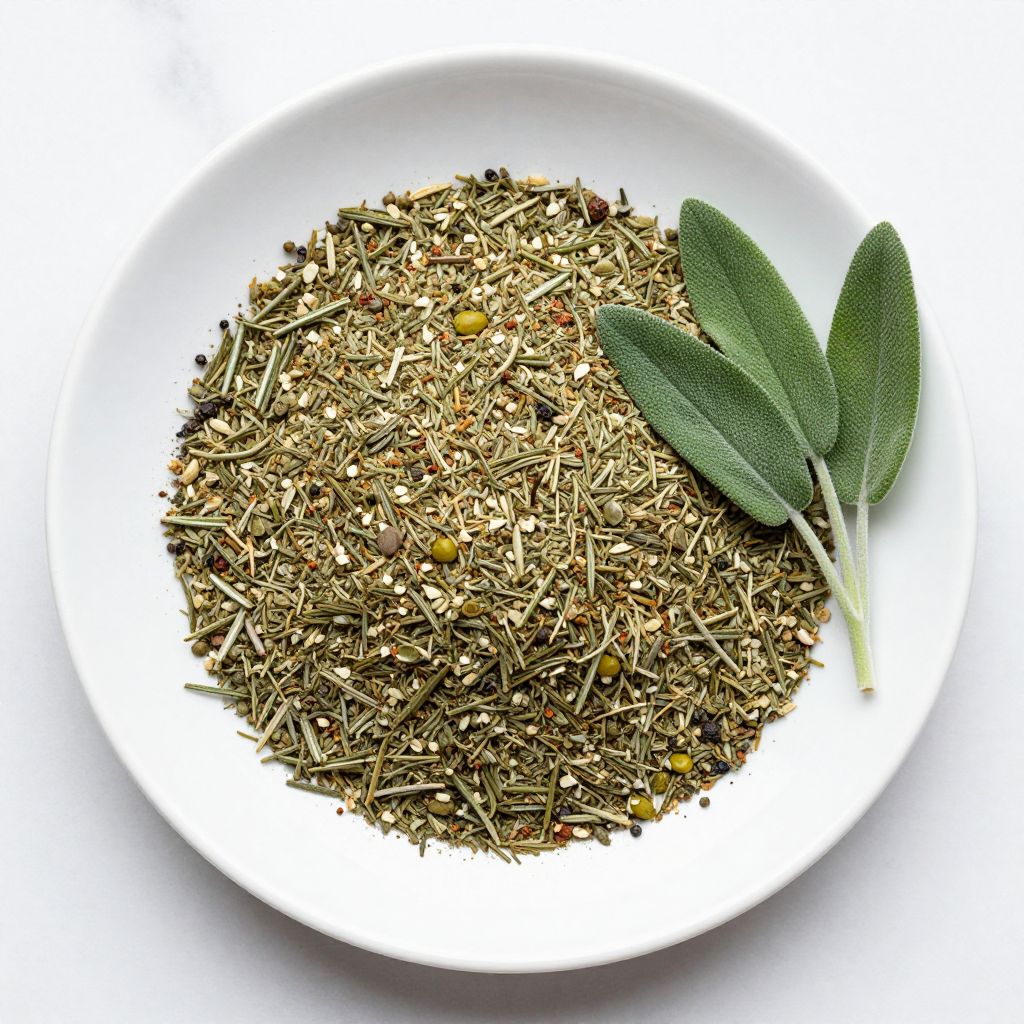
Homemade Poultry Seasoning
Ingredients
Equipment
Method
- Gather all your dried herbs and spices on a clean countertop along with your measuring spoons and mixing bowl. Make sure your hands and equipment are completely dry, as any moisture will cause your blend to clump and reduce its shelf life.
- Add 2 tablespoons of dried sage to your mixing bowl. If you're using whole dried sage leaves rather than rubbed or ground sage, crush them between your fingers first to break them into smaller pieces.
- Measure and add the thyme, marjoram, and crushed rosemary to the bowl with the sage. The rosemary should be crushed fairly fine so you don't end up with woody bits in your final blend.
- Add the black pepper and dried savory to your herb mixture.
- Measure and add the ground nutmeg to the bowl. Be precise with this measurement, as too much nutmeg can overpower the herbs.
- Use a whisk or fork to blend all the ingredients together for about 30 seconds, making sure everything is evenly distributed. Pay attention to the bottom and sides of the bowl where ingredients sometimes hide.
- Examine your blend and break up any clumps with your fingers or the back of a spoon. If you notice any large pieces of rosemary or sage, crush them further so the mixture has a relatively uniform texture.
- Transfer your poultry seasoning to an airtight glass jar using a small funnel if you have one. Label the jar with the date you made it. Store the jar in a cool, dark place like your spice cabinet away from heat and direct sunlight.