
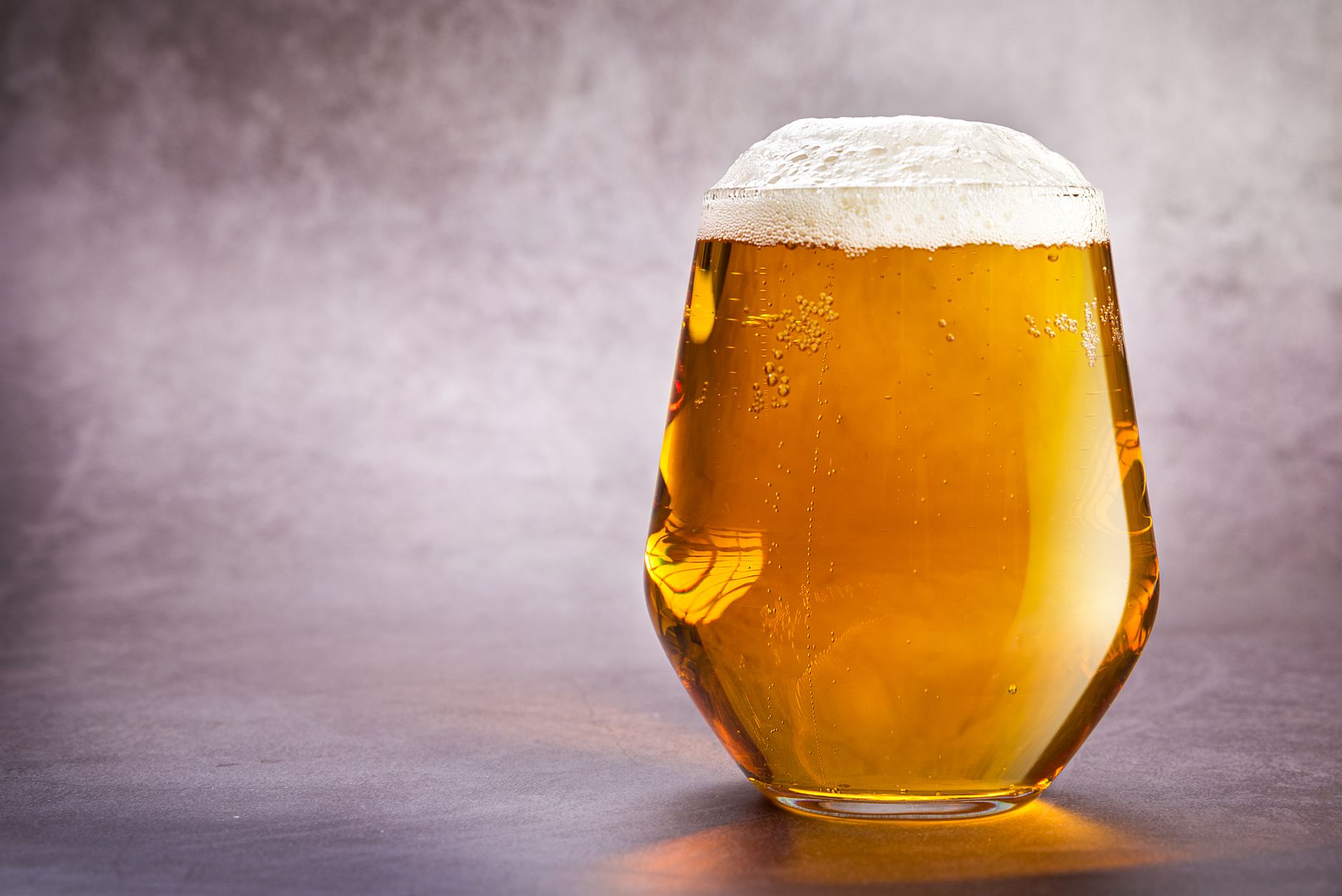
Pilsner is a type of pale lager that originated in the Czech Republic, specifically in the city of Pilsen. Known for its crisp and refreshing taste, this beer style has gained worldwide popularity since its inception in the 19th century. With a distinct golden color and a balance of malt sweetness and hop bitterness, pilsner has become a go-to choice for many beer enthusiasts.
Understanding pilsner involves exploring its ingredients, brewing techniques, and various styles that exist today. Not only does this appreciation deepen your enjoyment of the drink, but it also enhances the experience of pairing it with food, making it a versatile addition to any meal.
What Is A Pilsner?
A pilsner is a type of pale lager originating from the Czech Republic, characterized by its light color, crisp flavor, and a noticeable hop aroma. It typically features a smoother finish compared to other beers, making it a refreshing choice for many. The style has evolved over time, resulting in several variations enjoyed around the world.
The History of Pilsner
Developed in 1842, pilsner was first brewed by German immigrants in Pilsen, where they faced challenges with the brewing conditions. The first lager brewed there was notable for its pale color and strong hoppiness. This breakthrough in brewing eventually led to the creation of the Pilsner Urquell, the original pilsner that set the standard for future brewers.
Key Ingredients in Pilsner
The primary ingredients in a traditional pilsner include malted barley, hops, water, and yeast. Each component plays a critical role in achieving its unique flavor profile.
- Malted Barley: This provides the sugars necessary for fermentation, as well as the malt character. Pilsner malts are typically light in color and produce a clean, slightly sweet base.
- Hops: Hops add bitterness and aroma to the beer. Pilsners often use noble hop varieties, which provide a mild floral and earthy flavor.
- Water: The mineral content and chemistry of the water impact the final flavor. Pilsen’s water is low in minerals, which helps produce a soft mouthfeel.
- Yeast: Lager yeast is used to ferment pilsner, working at cooler temperatures to produce a cleaner taste without unnecessary esters or phenols.
Brewing Process of Pilsner
Creating a pilsner involves several critical steps. Mastery of this process affects the final product’s flavor, aroma, and appearance.
- Mashing: Starting with crushed malted barley, water is added to create a mash, which activates enzymes. These enzymes convert starches into fermentable sugars over a period of approximately one hour.
- Boiling: After mashing, the wort is separated and boiled with hops. This step sterilizes the wort, extracts flavors from the hops, and develops bitterness. The boiling process typically lasts about an hour.
- Cooling: The wort must be rapidly cooled after boiling to promote fermentation. This is often done using a heat exchanger to quickly bring it down to fermentation temperatures.
- Fermentation: Yeast is added to the cooled wort, and fermentation begins. This step usually lasts from one to two weeks, with cooler temperatures aiding in cleaner flavors.
- Lagering: After fermentation, the beer is chilled and aged (or lagered) for several weeks. This process helps develop the pilsner’s crispness while allowing flavors to mellow.
- Packaging: The final step involves filtering and carbonating the beer before it is packaged in bottles, cans, or kegs for distribution.
Types of Pilsners
As the pilsner style evolved, several types emerged, each with unique characteristics and influences.
Czech Pilsner (Bohemian Pilsner)
The original style, Czech pilsner, is characterized by its rich malt profile and use of Czech Saaz hops. It displays a golden color with a pleasant bitterness and a slightly sweet finish. This variety is typically less bitter than other versions.
German Pilsner
German pilsners tend to be drier and more bitter than their Czech counterparts due to the use of different hop varieties. They often have a crisper character and a lighter, more straw-like color. Flavor notes lean toward more pronounced hop bitterness without overpowering the malt.
American Pilsner
American pilsners showcase a more assertive hop flavor, often using American hop varieties. This style can have a more pronounced aroma and bitterness, appealing to those who enjoy a bolder beer. The malt sweetness is usually more subdued than in Czech or German pilsners.
Flavor Profile of Pilsner
Pilsners are known for their balance between malt sweetness and hop bitterness. The flavor profile typically includes the following attributes:
- Aroma: Fresh and hoppy with floral, herbal, or spicy notes, depending on the hop variety.
- Flavor: The initial flavor is often malty and sweet, transitioning into a mild bitterness from the hops. Pilsners are crisp and refreshing on the palate.
- Mouthfeel: Generally light to medium-bodied, with a clean, effervescent finish.
- Bitterness: The bitterness level can vary but generally ranges from 30 to 50 International Bitterness Units (IBUs).
Food Pairing with Pilsner
Pilsner’s crispness and flavor make it an excellent beer for food pairings. Here are some great pairings to consider:
- Seafood: Light, flaky fish and shellfish benefit from the refreshing qualities of pilsner.
- Poultry: Grilled or roasted chicken, particularly with citrus or herb marinades, complements the beer’s profile.
- Pizza: A classic beer-and-pizza pairing; the maltiness balances the acidity of tomato sauce, while the hops cut through rich cheese.
- Warm Weather Foods: Salads, light pasta dishes, and other summer staples pair well with the refreshing aspects of pilsner.
- Snacks: Pretzels, chips, and light cheese platters are ideal for casual gatherings where pilsner is served.
Storing and Serving Pilsner
Proper storage and serving temperature can significantly affect the enjoyment of pilsner. Here are some tips:
- Temperature: Pilsners are best served cold, typically between 38°F to 45°F (3°C to 7°C). Keeping them in a refrigerator before serving helps maintain this temperature.
- Glassware: Ideal glasses for serving pilsner include a pilsner glass or a tulip glass, both of which help capture the beer’s aroma while showcasing its color and carbonation.
- Storage: Pilsners should be stored upright in a cool, dark place to prevent light exposure and maintain freshness. Avoid storing in a warm environment or prolong exposure to light, which can cause skunky flavors.
Common Mistakes When Enjoying Pilsner
To fully appreciate pilsner, here are some common mistakes to avoid:
- Serving Too Warm: Pilsner’s delicate flavors can be overshadowed if served at warmer temperatures. Keep it chilled for optimal enjoyment.
- Improper Pairings: Avoid heavier meats or overly rich dishes, as they can overwhelm the pilsner’s crisp profile. Stick to lighter fare for a better experience.
- Ignoring Freshness Dates: Always check the freshness date on the beer. Pilsners are best consumed fresh to appreciate their optimal taste.
Making Pilsner at Home
If you’re feeling adventurous, brewing your own pilsner can be a rewarding experience. Here’s a basic overview of homebrewing pilsner:
Essential Equipment
- Brew kettle
- Fermentation vessel
- Airlock
- Hydrometer
- Thermometer
- Bottles or kegs for storage
Basic Recipe
Below is a simplified version of a pilsner recipe for home brewers:
- Ingredients:
- 8 lbs Pilsner malt
- 1.25 oz Saaz hops (bittering)
- 0.5 oz Saaz hops (aroma)
- 1 packet lager yeast
- 5 gallons water
Basic Brewing Steps
- Mash: Combine crushed grains with water, keeping around 150°F (65°C) for an hour.
- Boil: Bring the wort to a boil and add the bittering hops. Boil for 60 minutes.
- Cool and ferment: Cool the wort rapidly and transfer it to your fermentation vessel. Add yeast and seal with an airlock.
- Lager: Keep the fermentation vessel cool and let it ferment for 1-2 weeks. Then lager it for several weeks.
- Bottle or keg: Once fermentation is complete, bottle or keg your pilsner and carbonate it.
Creating your own pilsner allows you to experiment with various hop profiles and malt flavors, tailoring it to your preferences.
Final Thoughts on Pilsners
Pilsner stands as a significant style in the world of beer, praised for its flavorful attributes and refreshing qualities. From its rich history in the Czech Republic to the widespread variations seen across the globe, understanding pilsner can deepen your appreciation for this classic beer style.
Whether enjoyed on its own or paired with your favorite dishes, pilsner remains an essential option in the beer landscape, inviting exploration and enjoyment. Consider trying new varieties or even brewing your own to fully appreciate what this refreshing lager has to offer.
Explore related recipes and ideas on our site, such as the beer can chicken recipe or cool off with a bourbon slush recipe for your next gathering.