
When discussing prime cuts of meat, many people may wonder, “When was prime made?” This term refers to a specific quality grade assigned to beef, indicating the highest level of marbling and tenderness. Understanding prime beef not only enhances your culinary experience but also equips you with the knowledge needed to make informed choices while cooking or dining out.
In this article, we will delve into the history of prime beef, its characteristics, culinary uses, and serving ideas. From meal preparation techniques to tips on selecting the best cuts, you’ll discover everything you need to elevate your next cooking experience.
When Was Prime Made?
The term “prime” in the context of beef was popularized in the 1930s when the United States Department of Agriculture (USDA) began grading beef to standardize the quality of meat sold to consumers. The USDA Prime grade is given to the highest quality beef, which is characterized by abundant marbling and superior tenderness. So, in essence, “prime” has been recognized and defined officially since the 1930s.
Characteristics of Prime Beef
Prime beef is known for its rich flavor, tenderness, and juiciness. Here are some distinguishing characteristics:
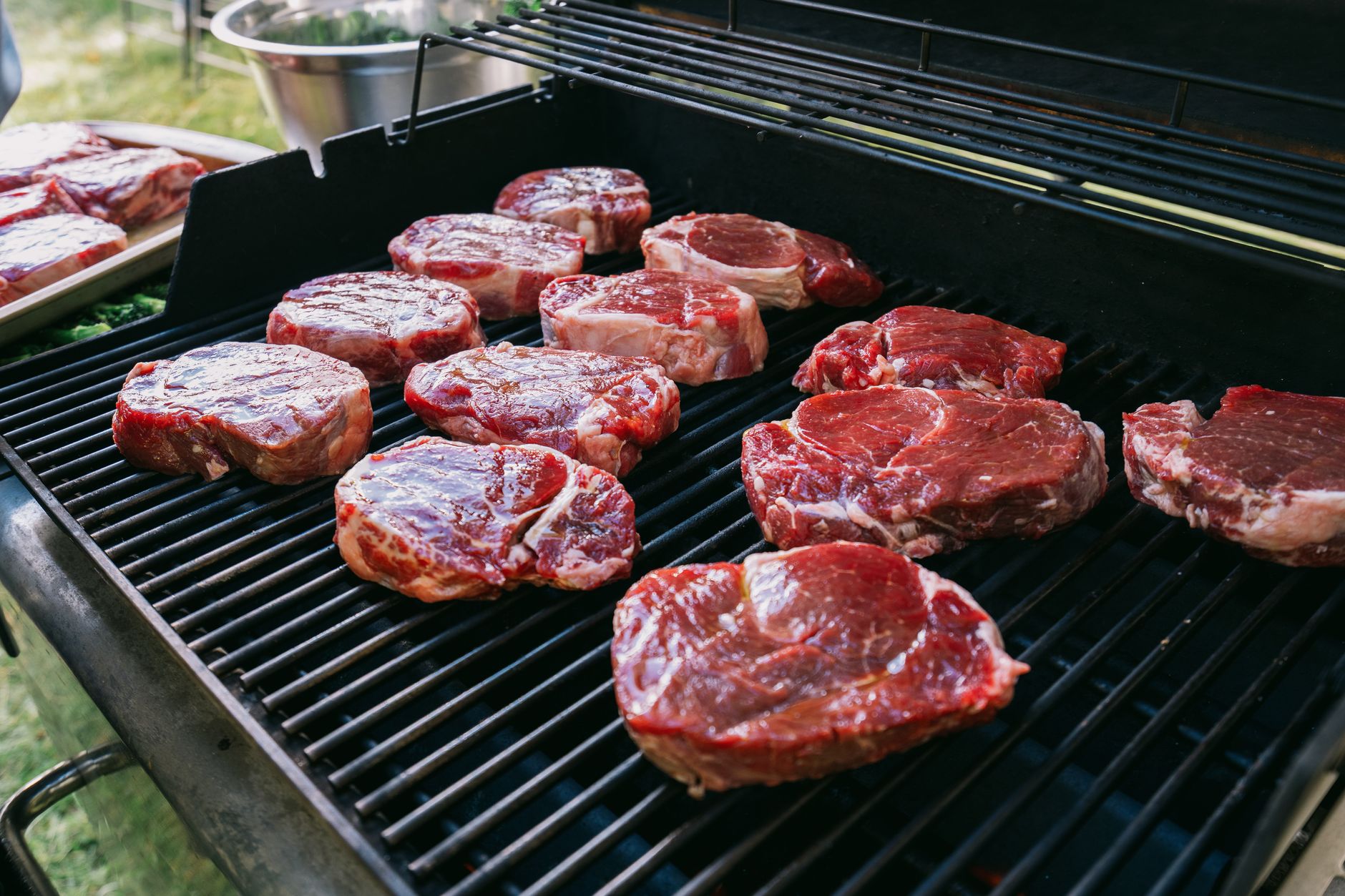
- Marbling: Prime cuts have a significant amount of intramuscular fat, which leads to enhanced flavor and a tender texture.
- Color: The meat is bright red, indicating freshness and high quality.
- Texture: With fine grain and a soft feel, prime beef is often described as tenderer compared to lower grades.
How Is Prime Beef Graded?
The USDA grades beef into several categories, including Prime, Choice, Select, and Standard. Here are the key factors used in grading:
- Marbling: The amount and distribution of fat within the muscle.
- Aging: Beef must be aged properly to achieve optimal flavor and tenderness.
- Meat Color: The coloration must be bright and appealing.
- Texture: Meats should exhibit a fine, firm texture without excessive gristle.
Prime beef accounts for only about 2-3% of the total beef produced in the United States, making it a rare and sought-after option.
Culinary Uses of Prime Beef
Prime beef is incredibly versatile and can be used in various culinary applications. Here are some popular ways to incorporate it into your meals:
Grilling and Barbecuing
Prime cuts such as ribeye, Porterhouse, and T-bone are exceptional for grilling. The fat content ensures these cuts remain juicy and flavorful when cooked over direct heat.
Roasting
A prime rib roast is often the centerpiece of special occasions. The marbling of fat within the meat helps retain moisture, making for a fantastic roast that is both tender and flavorful. Simply season it with salt, pepper, and your favorite herbs before placing it in a preheated oven.
Steaks
Cooking high-quality steaks is an art form. For optimal results, follow these steps:
- Select your cut: Choose a prime cut, like ribeye or filet mignon.
- Bring to room temperature: Allow the steak to sit for about 30 minutes before cooking.
- Season liberally: Use kosher salt and freshly cracked black pepper.
- Heat your cooking surface: A hot grill or cast-iron skillet is ideal.
- Cook to desired doneness: Use a meat thermometer to ensure accurate cooking temperatures (e.g., 130°F for medium-rare).
Selecting and Storing Prime Beef
When shopping for prime beef, here are some tips to help you select the best cuts:
- Look for grading labels: Ensure the packaging indicates “USDA Prime.”
- Check for color: Opt for meat that is bright red with firm fat.
- Choose from reputable vendors: Purchase from butchers or markets known for high-quality meat.
Storage is crucial to maintain the quality of prime beef:
- Keep it refrigerated at 32°F to 36°F and consume within 3 to 5 days.
- For long-term storage, prime beef can be frozen for up to 6-12 months without a significant loss of quality.
Cooking Techniques for Prime Beef
Prime beef deserves careful cooking techniques to showcase its texture and flavor. Here are some effective methods:
Sous Vide
This method allows for precision cooking. Season your prime beef, vacuum-seal it, and immerse it in a water bath set at your desired temperature. This ensures even cooking while retaining flavor and moisture.
Reverse Searing
The reverse sear method involves cooking the prime beef at a low temperature (around 225°F) until it reaches an internal temperature of about 10-15 degrees below your target doneness. Finish it with a hot sear on each side to lock in juices and develop a crust.
Pan Searing
For a flavorful crust, heat a cast-iron skillet until smoking, add a bit of high-heat oil, and sear the steak on both sides before finishing it in the oven to the desired doneness.
Pairing Prime Beef with Appropriate Sides
The right sides can elevate a prime beef dish. Here are some ideas:
- Grilled Vegetables: Seasonal vegetables complement the richness of prime beef well.
- Mashed Potatoes: Creamy mashed potatoes provide a comforting contrast.
- Salads: A fresh arugula salad with vinaigrette can balance the hearty flavors.
Common Mistakes When Cooking Prime Beef
Even experienced cooks can make errors while preparing prime beef. Here are some common mistakes and tips to avoid them:
- Overcooking: Use a meat thermometer to ensure you don’t overcook your steak.
- Skipping the resting period: Always allow cooked beef to rest for about 10-15 minutes before slicing; this helps juices redistribute.
- Not seasoning adequately: Don’t be shy with salt and pepper; prime beef benefits from generous seasoning to enhance its natural flavors.
Serving Suggestions for Prime Beef
When it comes to serving prime beef, presentation can enhance the overall dining experience. Here are suggestions to consider:
- Slice against the grain to enhance tenderness.
- Serve on a wooden cutting board for a rustic touch.
- Garnish with fresh herbs, such as rosemary or thyme, for a visual and aromatic appeal.
Conclusion
Understanding when and how prime beef originated gives you a solid foundation for appreciating its unique qualities. With prime beef, you’re not just purchasing a piece of meat; you are investing in a superior dining experience. Whether you choose to grill, roast, or serve it as a steak, the possibilities are endless. Now, it’s time to explore cooking techniques, pairings, or special recipes to complement your prime beef for your next meal.
For more delicious ideas, check out our boneless prime rib recipe or try our prime rib rub recipe for that extra flavor boost in your cooking adventures!