
As food-related dietary preferences grow increasingly popular, many individuals are curious about which foods they can comfortably include in their diets. If you’re navigating a low FODMAP lifestyle, you may have wondered about American cheese. This article will explore whether American cheese is suitable for those adhering to a low FODMAP diet.
In this guide, we will also discuss the nutritional aspects of American cheese, serving ideas, and how it can be utilized in various dishes while monitoring FODMAP content. Understanding these components can help you make informed choices while enjoying your meals.
Is American Cheese Low FODMAP?
American cheese can be considered low FODMAP in moderation. It is often made from a blend of milk, whey, and emulsifiers, with lower lactose levels compared to many other cheeses. However, individual tolerance may vary, so it’s essential to monitor your body’s response when consuming this cheese.
Understanding FODMAPs
FODMAP stands for fermentable oligosaccharides, disaccharides, monosaccharides, and polyols. These are a group of short-chain carbohydrates that can cause digestive discomfort in some people. The low FODMAP diet, developed by researchers at Monash University, is designed to help those with irritable bowel syndrome (IBS) and other gastrointestinal disorders.
Foods high in FODMAPs can lead to symptoms such as bloating, gas, abdominal pain, and changes in bowel habits. By identifying and eliminating these foods, many individuals find relief from their symptoms, improving their overall quality of life.
The Nutritional Profile of American Cheese
American cheese is a processed cheese product that goes through methods like pasteurization and emulsification, leading to its distinctive texture and flavor. Here’s a closer look at its nutritional composition based on a standard serving size of one slice (approximately 20 grams):
| Nutrient | Amount per Slice (20g) |
|---|---|
| Calories | 60 |
| Protein | 3.5g |
| Fat | 4g |
| Carbohydrates | 2g |
| Lactose | 0.2g |
American cheese also typically contains vitamins A and B12, as well as calcium, making it a source of essential nutrients. However, it’s important to remember that the processing of this cheese often results in higher sodium levels and additives.
How to Choose Low FODMAP American Cheese
When selecting American cheese, it’s crucial to choose varieties with minimal additives. Here are some tips for choosing low FODMAP options:
- Check Labels: Look for products that clearly list ingredients. A simple ingredient list with minimal additives is often better.
- Opt for Lactose-Free Versions: Many brands offer lactose-free American cheese, which can be a better option for those sensitive to lactose.
- Consider Natural Cheeses: If possible, opt for natural cheeses with lower lactose content, such as cheddar or mozzarella, which may have fewer FODMAPs.
Serving Suggestions for American Cheese
American cheese has a smooth and creamy texture, making it a versatile ingredient. Here are some practical serving suggestions that can help you incorporate American cheese into your low FODMAP meals:
1. Grilled Cheese Sandwich
A classic grilled cheese sandwich is an excellent way to enjoy American cheese. Use low FODMAP bread varieties, such as gluten-free bread or sourdough made without high FODMAP ingredients, and cook it with a small amount of butter or oil until golden brown.
2. Macaroni and Cheese
Macaroni and cheese can be made low FODMAP by choosing gluten-free pasta and incorporating American cheese into your cheese sauce. Cooking it with lactose-free milk can help keep it creamy while adhering to low FODMAP principles.
3. Toppings for Burgers
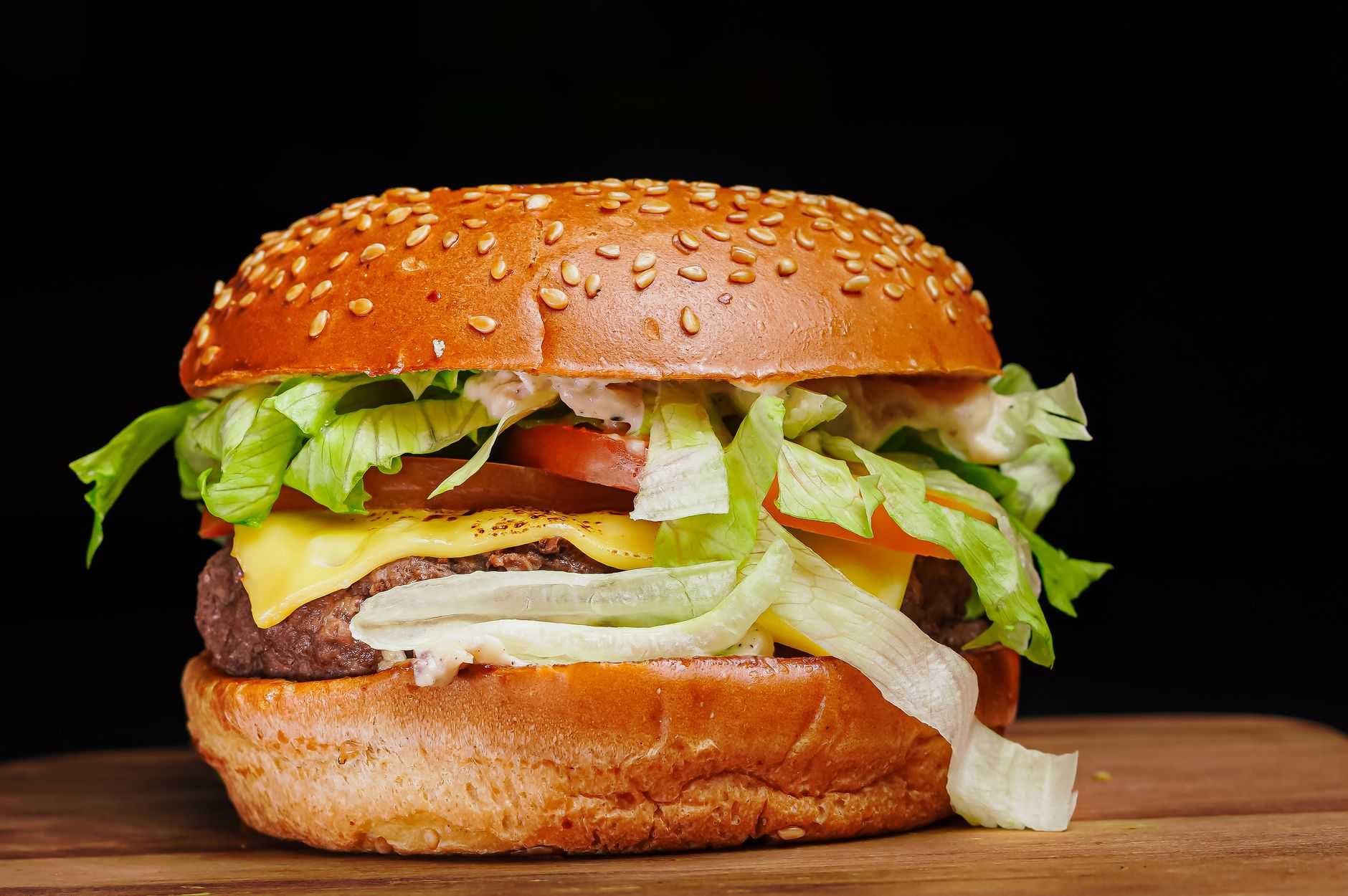
American cheese is often used as a topping for burgers. Opt for grass-fed beef patties or turkey burgers paired with low FODMAP toppings like lettuce and tomato.
4. Cheese Dip
American cheese can be melted down with lactose-free cream or sour cream to create a delicious cheese dip. Serve with low FODMAP tortilla chips made from corn.
Common Mistakes When Including American Cheese in a Low FODMAP Diet
Here are some common pitfalls to avoid when including American cheese in your low FODMAP diet:
- Ignoring Labels: Failing to read ingredient lists can lead to unintended high FODMAP ingredients.
- Overconsumption: While American cheese in moderation is permissible, excessive intake can lead to symptoms due to cumulative lactose or additives.
- Substituting with High FODMAP Ingredients: When creating recipes, be careful about other ingredients you use. Some sauces, bread, or seasonings may include high FODMAP elements.
Variations and Substitutions for American Cheese
If you’re looking to substitute or vary American cheese in your recipes, consider the following options:
- Lactose-Free Cheddar: This cheese has a similar flavor profile while typically containing less lactose.
- Swiss Cheese: A low FODMAP option that offers a nutty flavor and can melt well, making it a good alternative.
- Monterey Jack: This cheese is mild, creamy, and also typically low in FODMAPs, working great in melting applications.
Meal Planning Tips
Incorporating American cheese into your meal plan can be stress-free if you follow these tips:
- Batch Cooking: Consider creating a batch of macaroni and cheese or grilled cheese sandwiches at the beginning of the week for easy meals.
- Mix and Match: Use American cheese as a versatile component within various meals to promote balance in your weekly menu.
- Freeze Portions: Prepare and freeze dishes containing American cheese, allowing for quick meals on busy days.
Storage of American Cheese
To maintain the quality of American cheese:
- Refrigeration: Store American cheese in the refrigerator, wrapped tightly in plastic wrap or aluminum foil to prevent moisture loss.
- Freezing: American cheese can be frozen, though it may change texture once thawed. Slide slices between sheets of wax paper for easy separation.
Conclusion
American cheese can fit into a low FODMAP diet in moderation, offering a creamy texture and versatile use in various dishes. Keep an eye on ingredient labels, consider alternative cheeses, and enjoy this popular product mindfully as part of your meal planning. By being aware of your dietary needs, you can still savor the flavors you love while maintaining your health and comfort.
Looking for more delicious recipes? Explore our Cottage Cheese Dip Recipe or try our Cheeseburger Macaroni Recipe for easy-to-make dishes that fit different dietary needs.