
Jelly is a beloved spread that adds sweetness and flavor to various dishes, from toast to desserts. Understanding how long jelly lasts after opening is essential for both food safety and optimal taste. By properly storing jelly, you can enjoy its delightful flavor for an extended period without compromising its quality.
This article will provide an in-depth guide to the shelf life of jelly after opening, how to store it correctly, signs of spoilage, and tips for making the most of your jelly. Whether you use it for breakfast, lunch, or as an ingredient in desserts, knowing how to handle jelly properly helps maximize its utility.
How Long Does Jelly Last After Opening?
After opening, jelly typically lasts about 6 months when stored in the refrigerator, provided it is kept sealed tightly. Homemade jelly may have a shorter shelf life, usually between 2 to 3 months, depending on the ingredients and preservation methods used.
Factors Affecting Shelf Life
Several factors can affect how long jelly lasts after opening:
- Ingredients: Store-bought jelly often contains preservatives that extend its shelf life, while homemade varieties without preservatives may spoil faster.
- Storage Conditions: Proper refrigeration and sealing can greatly extend the shelf life of jelly. Exposure to air and fluctuating temperatures can accelerate spoilage.
- Usage Frequency: Frequent opening and closing of the jar can introduce bacteria, affecting the jelly’s longevity.
Proper Storage Techniques
To ensure your jelly lasts as long as possible after opening, follow these storage techniques:
- Refrigeration: Always store jelly in the refrigerator once opened. Keeping it cold helps slow down the growth of microorganisms that can spoil the jelly.
- Seal Tightly: Make sure to seal the jar tightly after each use to minimize air exposure.
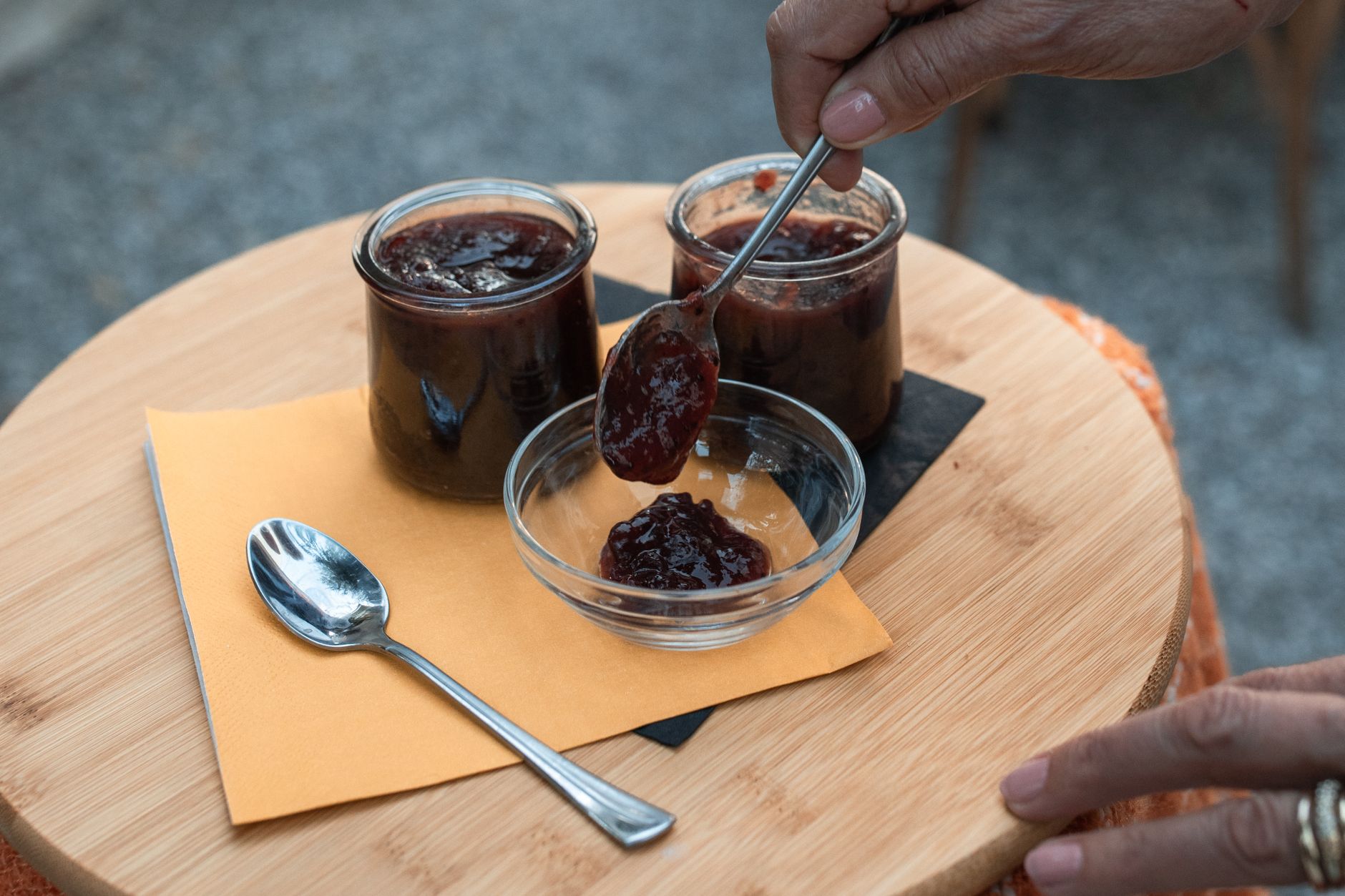
- Avoid Contamination: Use a clean spoon to scoop out jelly. Avoid dipping anything directly into the jar to prevent introducing bacteria.
Signs of Spoilage
Even with proper storage, jelly can go bad. Here are some signs to look out for that indicate your jelly may no longer be safe to eat:
- Mold: If you see any mold growth on the surface, discard the jelly immediately.
- Unpleasant Odor: A sour or off smell is a clear sign that the jelly has spoiled.
- Change in Texture: If the jelly has become too runny or excessively thick, it might not be safe to consume.
- Off Taste: If you notice any unusual or off flavors when tasting, it’s best to err on the side of caution and discard the jelly.
Homemade vs. Store-Bought Jelly
The shelf life of homemade jelly differs significantly fromstore-bought varieties. Here’s a breakdown of the differences:
Store-Bought Jelly
Commercially produced jelly often includes preservatives and is made in a controlled environment, resulting in a longer shelf life. Store-bought jelly can last up to 6 months in the fridge after opening if properly stored.
Homemade Jelly
Homemade jelly lacks the preservatives found in store-bought products. Therefore, its shelf life is generally shorter, typically lasting 2 to 3 months after opening. Additionally, homemade jelly should be consumed within a week if left out at room temperature.
How to Make Jelly Last Longer
Here are some tips to help your jelly last longer:
- Smaller Jars: Consider transferring jelly into smaller jars. This way, each time you open a jar, the remaining jelly stays sealed and protected from air exposure.
- Freezing Options: If you have leftover jelly that you won’t use within the shelf life, consider freezing it. While jelly can freeze well, it might alter the texture slightly after thawing.
- Label and Date: When opening a new jar, label it with the date to keep track of how long it has been open. This practice will prevent using jelly past its prime.
Using Jelly in Recipes
Jelly can be a versatile ingredient in your kitchen. Here are some ways you can use jelly before it spoils:
Spread Options
The most common use for jelly is as a spread on bread, toast, or biscuits. Pairing jelly with peanut butter creates a delightful classic sandwich that everyone enjoys.
Condiment Choice
You can also use jelly as a condiment. It enhances the flavor of meats like roast chicken or pork when used as a glaze or marinade.
Baking Ingredient
In baking, jelly can be used as a filling for pastries, cookies, and cakes. Mixing jelly with cream cheese can create a delightful filling for tarts.
Drinks and Cocktails
For drink enthusiasts, jelly can be incorporated into cocktails to add sweetness and surprise flavor. A spoonful of jelly blended into lemonade or champagne can elevate your beverage.
Common Mistakes to Avoid
To ensure your jelly remains safe and tasty, avoid these common mistakes:
- Leaving Jelly at Room Temperature: Gelatin products should not be left out for extended periods as they can spoil faster.
- Using Dirty Utensils: Always use clean utensils to prevent contamination.
- Ignoring Expiration Dates: Always check the expiration date on store-bought jelly before consuming it.
Frequently Asked Questions
Can I freeze jelly?
Yes, you can freeze jelly. While it retains safety, the texture may slightly change upon thawing, becoming less smooth. It is best to store it in an airtight container suitable for freezing.
What is the best way to store jelly after opening?
The best way to store jelly after opening is in the refrigerator, tightly sealed, and ensure it is free from contamination.
Is it safe to eat jelly after the expiration date?
While it might still be safe beyond the expiration date if stored correctly, it is crucial to check for signs of spoilage such as odor, appearance, or flavor before consuming.
What types of jelly have longer shelf lives?
Jelly varieties that contain preservatives or are high in sugar generally have longer shelf lives compared to low-sugar or homemade versions without preservatives.
Conclusion
Knowing how long jelly lasts after opening and how to store it properly can prevent food waste and enhance your culinary experiences. By being aware of spoilage signs and optimal storage techniques, you can enjoy your jelly for months. For a practical next step, start organizing your kitchen and use your jelly in various recipes to make the most of it.
To learn more about food safety, check out these related guides on how long does cottage cheese last after opening or discover methods for freezing cooked chicken.