
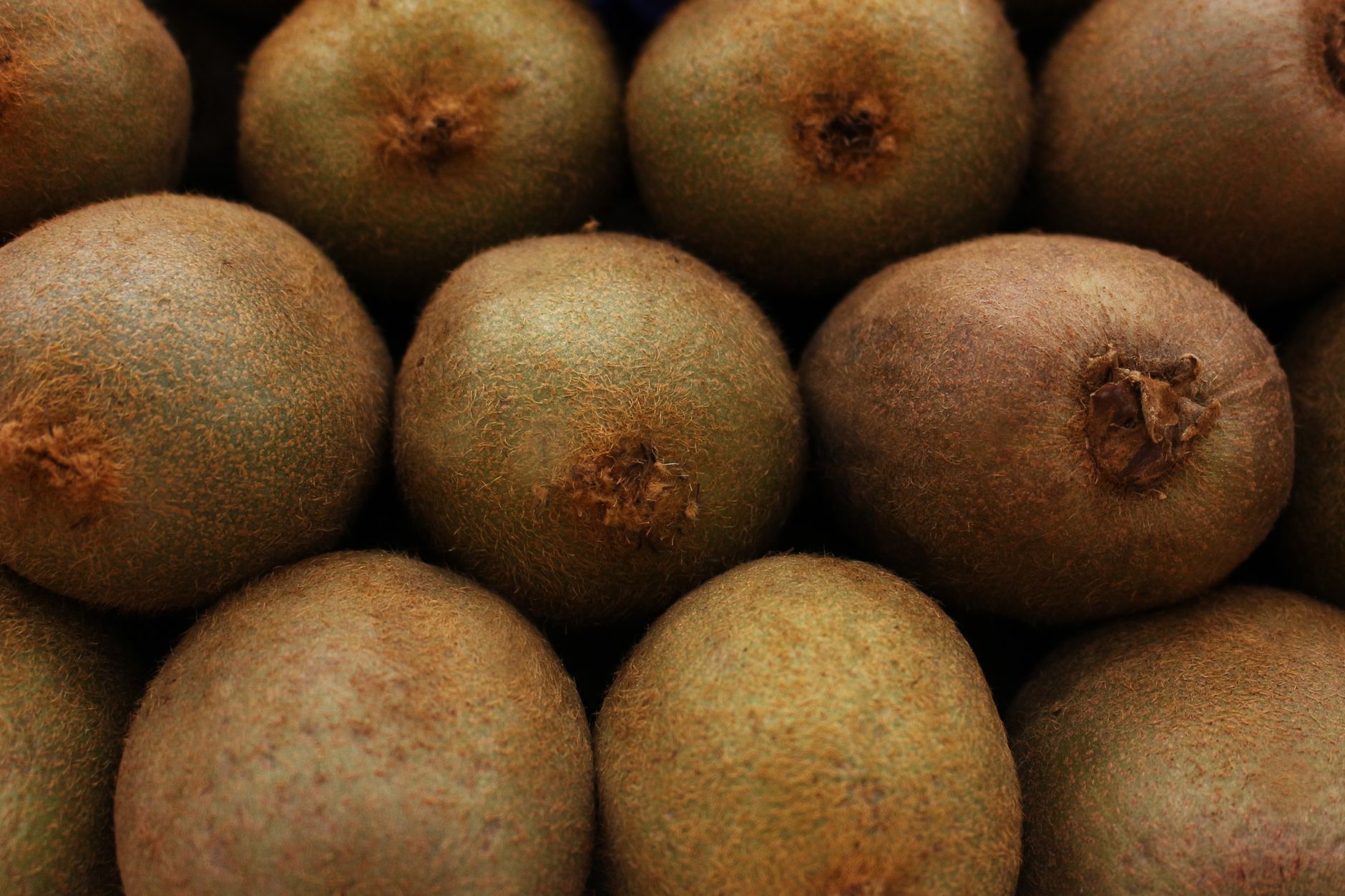
Kiwis are beloved for their unique sweet-tart flavor and vibrant green color. Knowing when kiwis are in season helps you choose the best quality fruit, maximizing your culinary experiences. This seasonal buying and storage guide will help you understand kiwi availability and properly store them for optimal freshness.
In this article, we’ll explore when kiwis are typically in season, how to select and store them, and various ways to enjoy this delicious fruit at its peak. Whether you’re making a fruit salad, smoothie, or baking a dessert, incorporating fresh kiwis will elevate your dish.
When Are Kiwis in Season?
Kiwis are in season from late autumn to early spring, specifically from November to April in the Northern Hemisphere. In the Southern Hemisphere, kiwis are usually in season from May to October. However, keep in mind that availability may vary based on location and local climate conditions.
Understanding Kiwi Varieties
Before diving deeper into storage and usage recommendations, it’s essential to recognize the primary varieties of kiwis you may encounter:
- Green Kiwis: The most common variety, they have a fuzzy exterior and bright green flesh.
- Golden Kiwis: Smoother skin and a sweeter taste compared to green kiwis, they are typically available year-round in some regions.
- Baby Kiwis (or Kiwi Berries): Smaller and smooth-skinned, these can be eaten whole and have a similar taste to green kiwis.
Selecting Fresh Kiwis
When shopping for kiwis, look for the following characteristics to ensure you’ve selected the best fruit:
- Firmness: Kiwis should feel slightly firm to the touch. They should not be rock-hard, as this indicates they are under-ripe, nor overly soft, which suggests overripeness.
- Wrinkles: Avoid kiwis with shriveling skin or deep wrinkles, as this signifies age.
- Color: Look for vibrant color, ranging from bright green to golden, depending on the variety.
- Scent: Fresh kiwis should have a sweet, fruity aroma.
How to Store Kiwis
Proper storage is key to maintaining the freshness and flavor of kiwis. Here’s a guide on how to store them effectively:
Room Temperature
If you purchase under-ripe kiwis, storing them at room temperature is ideal until they ripen. Here’s how:
- Place the kiwis in a bowl or a single layer on a countertop to prevent bruising.
- Check them daily, and once they yield to gentle pressure, it’s time to refrigerate.
Refrigeration
Once fully ripe, kiwis should be stored in the refrigerator to prolong their shelf life:
- Wrap the kiwis in paper towels to absorb any excess moisture.
- Place them in a perforated plastic bag or a breathable container.
- Store them in the crisper drawer for optimal humidity.
Freezing Kiwis
If you want to preserve kiwis for longer periods, freezing is an option, though it may alter their texture:
- Peel and slice the kiwis into desired sizes.
- Flash freeze them on a baking sheet for one to two hours.
- Transfer to airtight freezer bags and store in the freezer for up to 6-12 months.
Creative Uses for Kiwis
Kiwis can be enjoyed in numerous ways. Here are some suggestions that showcase their versatility:
Fresh Fruit Salads
Kiwis add a vibrant color and a refreshing flavor to fruit salads. Combine them with other fruits such as strawberries, mangoes, and bananas for a delightful mix.
Smoothies
Kiwis can easily be blended into smoothies, offering a nutritional boost. Pair them with yogurt, spinach, and banana for a delicious, nutrient-packed drink.
Desserts
Incorporate kiwis into desserts like pavlova, tarts, or as a topping for cheesecakes. Their tartness balances creamy and sweet elements beautifully.
Savory Dishes
Add diced kiwis to chicken or seafood salads for a refreshing contrast. Their bright flavor works well with grilled meats and even in salsa.
Spicy Kiwi Salsa
Here’s a simple recipe for spicy kiwi salsa that you can host at a summer barbecue or serve at a dinner party:
- Dice 2 ripe kiwis, 1 small red onion, and 1 red bell pepper.
- Add 1 chopped jalapeño (remove seeds for less heat) and a handful of chopped cilantro.
- Mix in the juice of 1 lime, salt to taste, and serve with tortilla chips or grilled fish.
Nutritional Benefits of Kiwis
Kiwis are not just delicious; they are also packed with essential nutrients. A medium kiwi typically contains:
- High in Vitamin C, important for immune health.
- Rich in dietary fiber, which aids digestion.
- A good source of antioxidants, promoting overall health.
- Contains Vitamin K, crucial for proper blood clotting.
Common Mistakes When Handling Kiwis
Here are some pitfalls to avoid for the best kiwi experience:
- Rushing the Ripening Process: Avoid putting kiwis in the refrigerator too soon; let them ripen at room temperature first.
- Overlooking Storage Conditions: Excess moisture can lead to mold. Ensure they are dry before storing.
- Neglecting to Wash: Always wash the skin before slicing, even if you’re discarding the peel, to avoid dirt contamination of the flesh.
Shopping for Kiwis
Consider these tips to shop efficiently for kiwis:
- Visit local farmers’ markets for fresh, ripe kiwis when they are in season.
- Check labels for the kiwi variety if you’re looking for specific tastes or textures.
- Buy in bulk during peak season to save money and stock up for off-season use.
Preserving Kiwis
If you want to enjoy kiwis outside of their primary season, explore methods such as drying, canning, or creating kiwi jam:
Making Kiwi Jam
Here’s an easy kiwi jam recipe:
- Combine 4 cups of peeled and chopped kiwis with 2 cups of sugar in a large pot.
- Add 1/4 cup of lemon juice and stir well, then bring to a boil over medium heat.
- Reduce heat and simmer for about 30 minutes or until it reaches the desired consistency, stirring occasionally.
- Transfer to sterilized jars and seal tightly for storage.
Conclusion
Understanding when kiwis are in season, how to select and store them can greatly enhance your culinary endeavors. With their versatile flavor and robust nutritional profile, kiwis can be a delightful addition to a variety of dishes. Keep an eye on peak seasons, and try to incorporate fresh kiwis into your meals for the best flavor experience.
For more ideas, consider exploring related recipes and cooking tips, such as this chia pudding recipe or finding out how long beans last in the fridge to round out your meal planning.