
Absinthe, often called the “Green Fairy,” is much more than just a drink; it embodies a rich history and a distinct flavor profile that intrigues many. Understanding what absinthe tastes like can enhance your appreciation for this spirit, whether you intend to sip it straight or explore cocktails incorporating it.
This article delves into the unique and complex taste of absinthe, its ingredients, and serving options. We’ll also provide insights into pairing it with foods and making cocktails that showcase its characteristics.
What Does Absinthe Taste Like?
Absinthe has a distinctive taste characterized by an aromatic blend of anise, fennel, and wormwood, giving it a bold herbal quality. Its flavor can be described as intensely sweet and licorice-like, with a strong herbal undertone. The finish is slightly bitter, primarily due to the wormwood, which adds depth and complexity.
Beyond the primary flavors, many absinthes may include other botanicals, including hyssop, lemon balm, and cardamom, which introduce subtle nuances in taste. The mouthfeel ranges from silky to oily, depending on the brand and preparation method. Overall, it is a beverage that can be both refreshing and intense, suited for those who appreciate unique and potent flavors.
The Ingredients that Shape Absinthe’s Flavor
The flavor profile of absinthe stems from a combination of key ingredients, each contributing to its overall taste. Here are the primary components:
- Wormwood: This bitter herb is crucial to absinthe’s character. Its bitterness balances the sweetness of other ingredients.
- Anise: Anise contributes a sweet, licorice flavor that is immediately noticeable in absinthe. It can dominate the taste if used in greater quantities.
- Fennel: Similar to anise but slightly milder, fennel rounds out the flavor profile with its sweetness and herbal aspect.
- Other Botanicals: Many absinthes include additional herbs and spices like hyssop, lemon balm, angelica, and cardamom, which enhance complexity and aroma.
How Absinthe is Made
Absinthe is distilled through a process that emphasizes flavor extraction from its botanicals. Here’s a simplified overview:
- Maceration: The base herbs, including wormwood, anise, and fennel, are steeped in a neutral spirit, usually grape. This process extracts the essential oils and flavors.
- Distillation: The maceration mixture is distilled, typically in a pot still. This step separates the alcohol from the plant material while concentrating the flavors.
- Coloration: After distillation, many absinthes undergo a coloring process where additional herbs are infused to impart their colors and flavors. This results in the iconic green hue of traditional absinthe.
The Experience of Tasting Absinthe
Tasting absinthe is an engaging experience that goes beyond just the palate. Here’s how to approach it:
Visual Appeal
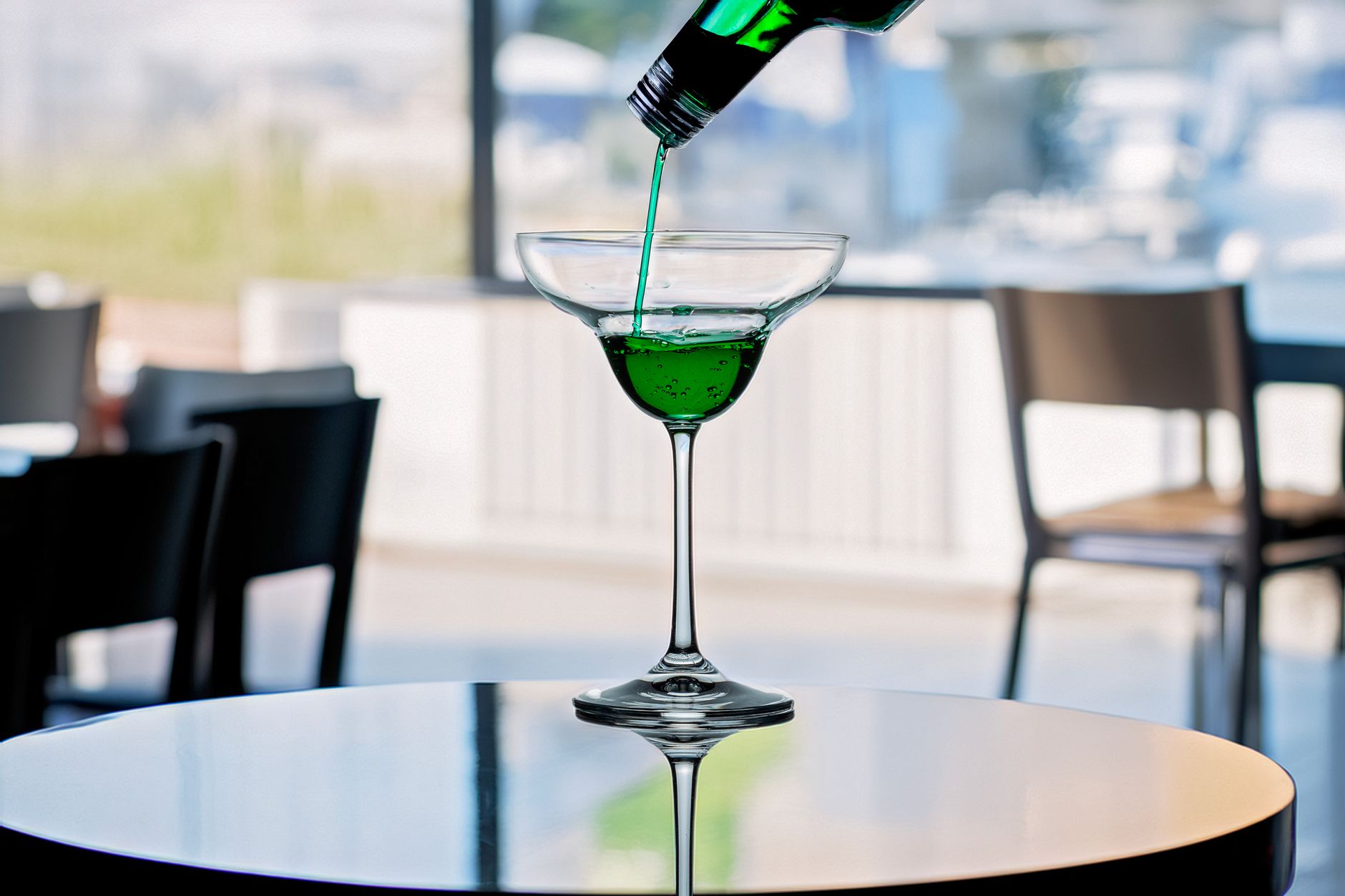
When poured, absinthe typically shows a vibrant green color, though some varieties can be clear or light yellow. The visual aspect prepares you for its intense herbal character.
The Aroma
Before tasting, take a moment to smell absinthe. The aromatic complexities—anise and herbal notes—will give you a sense of its flavor profile. Inhale deeply to pick up on the subtleties of the other botanicals.
The Flavor Profile
Upon tasting, allow the liquid to sit on your tongue for a moment. Notice the immediate sweetness from the anise, followed by the herbal bitterness from the wormwood. The flavor can evolve as it lingers, unfolding complexities from other botanicals.
The Texture and Finish
The texture of absinthe varies, but it often feels slick with a warming sensation as it goes down. The finish can leave a pleasantly bitter aftertaste, encouraging exploration of its depth.
How to Serve Absinthe
Absinthe is traditionally served using a ritual that enhances the drinking experience. Here’s how to serve it properly:
The Classic French Method
- Pour a measured amount of absinthe (typically 1 to 1.5 ounces) into a glass.
- Place a sugar cube on a slotted absinthe spoon over the glass.
- Slowly drip cold water over the sugar cube until it dissolves into the absinthe.
- The mixture will turn cloudy, a phenomenon known as the louche—a result of the essential oils and flavors being released. Enjoy!
Variations in Serving
While the traditional method is popular, absinthe can be enjoyed in various ways:
- Straight: For the purist, sipping absinthe straight allows you to appreciate its raw flavors.
- Cocktails: Absinthe is a key ingredient in several cocktails, enhancing their complexity. Popular options include the Sazerac and the Death in the Afternoon.
- Over Ice: Some may prefer their absinthe on the rocks, though this dilutes the flavor slightly.
Pairing Absinthe with Food
The bold flavors of absinthe can complement certain foods beautifully. Here are some pairing suggestions:
Cheese
Strong, pungent cheeses like blue cheese or aged Gouda can provide a delightful contrast to absinthe’s sweetness. The creamy texture and bold flavors enhance the tasting experience.
Chocolate
Dark chocolate—especially varieties with a high cacao content—pairs well with absinthe. The bitterness of the chocolate can mirror the wormwood, creating a balanced pairing.
Seafood
Seafood dishes, particularly those prepared with fennel or citrus, can complement the herbal notes in absinthe. Dishes like grilled calamari or shrimp scampi work particularly well.
Popular Absinthe Cocktails
Using absinthe in cocktails can enhance your drinking experience further. Below are a couple of popular choices:
Sazerac
This classic cocktail hails from New Orleans and features absinthe prominently.
- Chill a glass by filling it with ice and water.
- In another glass, muddle a sugar cube with a few dashes of Peychaud’s bitters.
- Add 2 ounces of rye whiskey and ice, then stir to chill.
- Discard the ice in the chilled glass and rinse it with absinthe to coat the inside.
- Strain the whiskey mixture into the prepared glass.
- Garnish with a lemon twist.
Death in the Afternoon
Another intriguing option, this cocktail combines absinthe with champagne.
- Pour 1 ounce of absinthe into a champagne flute.
- Top with 4 ounces of chilled champagne.
- Garnish with a lemon twist if desired.
Common Mistakes and Troubleshooting
When exploring absinthe, there are a few common pitfalls to avoid:
- Using Too Much Water: Adding excessive water can dilute the flavor too much. Aim for a ratio of about 3 parts water to 1 part absinthe.
- Skipping the Ritual: The traditional preparation enhances the experience and flavor. Skipping it may lead to a less enjoyable tasting.
- Flavorless Cocktails: Ensure the accompanying ingredients in cocktails pair well with absinthe to avoid overpowering its flavors.
Storage and Shelf Life of Absinthe
Proper storage can preserve the quality of absinthe. Store it upright in a cool, dark place away from sunlight, and ensure the cap is tightly sealed. Unlike most spirits, the herbal composition can lead to a gradual flavor change once opened. As such, it’s best consumed within a few years after opening.
Exploring Different Brands of Absinthe
Not all absinthes are created equal. Different brands offer unique takes on flavor and intensity. Popular choices include:
- Lucid Absinthe: A well-balanced option with a strong anise flavor.
- St. George Absinthe: Known for its distinctive herbal complexity and a lower anise profile.
- Pernod: A more traditional absinthe with a slightly less intense flavor.
Final Thoughts on Tasting Absinthe
Absinthe offers a unique tasting experience, defined by its complex blend of herbs and botanicals. Whether enjoyed alone or as part of a cocktail, its flavor can be both refreshing and rich. Understanding its taste can enhance whatever setting you choose to enjoy it in.
As you explore this remarkable spirit, take time to appreciate the craftsmanship behind it and the flavors it embodies. Take it slow, savor the flavors, and don’t be afraid to try different cocktails and pairings to find what you enjoy most!
If you would like to explore further, check out our articles on saffron and green tea for more insights into unique flavors. Happy tasting!