
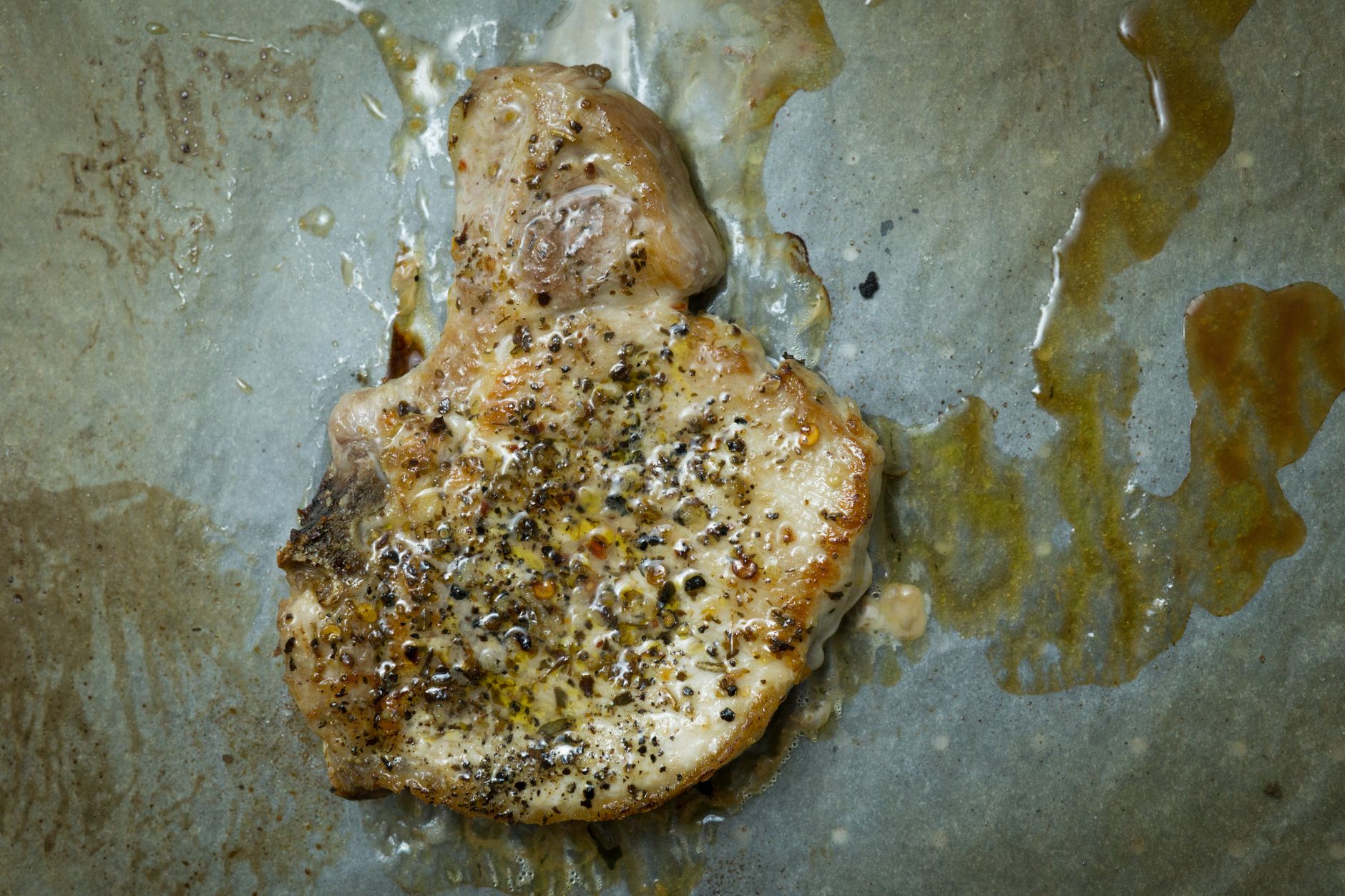
Pork chops are a versatile and flavorful cut of meat that can be prepared in numerous ways, from grilling to baking. Understanding the ideal cooking temperature is crucial to achieving perfectly cooked chops that are juicy on the inside and safe to eat. This guide will walk you through the recommended temperatures, cooking techniques, and tips to ensure your pork chops turn out delicious every time.
Whether you prefer bone-in or boneless, thick or thin cuts, knowing the right temperature will enhance your cooking experience. Read on to discover the best practices for cooking pork chops to perfection.
What Temp For Pork Chops?
The ideal cooking temperature for pork chops is 145°F (63°C). At this temperature, the pork will be juicy and tender while also safe for consumption. Using a meat thermometer is the most reliable way to ensure your pork chops reach this temperature without overcooking them.
Understanding Pork Chops
Pork chops come from the loin of the pig and can be found in several variations. The most common types include:
- Bone-In Pork Chops: Known for their rich flavor and tenderness, these chops retain moisture well due to the bone, which also adds flavor during cooking.
- Boneless Pork Chops: Leaner than bone-in chops, boneless cuts tend to cook faster but can dry out if not monitored closely.
- Thick-Cut Chops: Typically 1 inch or more in thickness, thick-cut chops are great for grilling or baking since they can handle higher heat without drying out.
- Thin-Cut Chops: Generally around ½ inch thick, these cook quickly and should be watched carefully to prevent overcooking.
Cooking Techniques for Pork Chops
There are several methods of cooking pork chops, each with its temperature recommendations and benefits:
Grilling
Grilling pork chops imparts a smoky flavor and caramelizes the exterior. Preheat your grill to medium heat (about 350°F to 400°F). For perfect grilling:
- Pat the chops dry and season them with salt, pepper, and your favorite spices.
- Place the pork chops on the grill, cover, and cook for about 5-7 minutes on each side, depending on thickness.
- Check internal temperature after flipping; remove from heat once they reach 145°F.
- Let them rest for about 5 minutes before serving to allow juices to redistribute.
Baking
Baking is a hands-off method that results in juicy pork chops. Preheat your oven to 400°F.
- Season the pork chops as desired and place them in a baking dish.
- Cover with aluminum foil to retain moisture during cooking.
- Bake for 20-25 minutes, checking for temperature after 20 minutes.
- Remove from the oven once internal temp reaches 145°F and let rest for 5 minutes before serving.
Pan-Searing
Pan-searing gives pork chops a beautiful crust while keeping the inside moist. It’s best to start with a hot skillet.
- Heat a tablespoon of oil in a cast-iron or stainless-steel skillet over medium-high heat.
- Season the chops and place them in the skillet. Sear for 3-4 minutes until a nice crust forms.
- Flip the chops and reduce heat to medium, cooking an additional 4-5 minutes or until reaching 145°F.
- Transfer to a plate and let rest for 5 minutes before slicing.
Slow Cooking
Slow cooking is perfect for tough cuts, but works well for pork chops, making them easy to shred and flavorful.
- Season the pork chops and place them in the slow cooker with a bit of broth for moisture.
- Cook on low for 4-6 hours or high for 2-3 hours, checking for an internal temperature of 145°F.
- Remove chops and let rest for a few minutes before serving.
Tips for Cooking Pork Chops
To avoid common pitfalls when cooking pork chops, keep the following tips in mind:
- Use a Meat Thermometer: This is crucial for ensuring that your pork reaches the proper temperature without overcooking.
- Let Them Rest: Resting cooked pork chops allows juices to redistribute, keeping them moist.
- Avoid Drying Out: Boneless chops are particularly prone to drying out; consider brining or marinating for added moisture.
- Use a Marinade: Marinades can infuse flavor and moisture; even a quick soak can make a big difference.
Common Mistakes When Cooking Pork Chops
Cooking pork chops can be straightforward, but there are common mistakes that can lead to tough or dry meat.
- Overcooking: The biggest mistake is cooking them too long. Always check the temperature instead of relying solely on time.
- Not Using Enough Heat: Ensure your pan, grill, or oven is adequately preheated to achieve a good sear or crust.
- Skipping the Seasoning: Seasoning enhances flavor; do not skip on salt, pepper, and other spices.
- Poor Quality Meat: Avoid lean cuts that may dry out quickly. Opt for higher-quality or thicker cuts for better results.
Flavor Combinations for Pork Chops
Pork is versatile and pairs well with various flavors. Consider these complementary ingredients for seasoning or marinades:
- Sweet: Brown sugar, honey, or apple cider can add a delightful balance.
- Savory: Garlic, onion powder, or herbs like thyme and rosemary enhance taste.
- Spicy: Paprika, chili powder, and pepper flakes add a kick.
- Citrusy: Lemon juice or orange zest brightens the overall flavor.
Side Dishes to Serve With Pork Chops
Enhance your pork chop meal by pairing with hearty sides. Here are some suggestions:
- Mashed Potatoes: A classic pairing, creamy mashed potatoes absorb juices beautifully.
- Roasted Vegetables: Seasonal vegetables add nutrition and complement the dish’s flavor.
- Rice Pilaf: Flavored rice can provide a pleasing contrast to pork’s flavor.
- Coleslaw: A crunchy salad offers freshness and texture.
Storage and Reheating
Properly storing leftover pork chops ensures they maintain quality. Follow these tips for storage and reheating:
- Refrigeration: Store leftover pork chops in an airtight container in the refrigerator for up to 3-4 days.
- Freezing: If you need to store them longer, place them in freezer-safe containers or bags for up to 3 months.
- Reheating: Reheat in the oven at 350°F for about 10-15 minutes until heated through. Avoid microwaving, as it can make the chops rubbery.
Understanding the right temperature for cooking pork chops is fundamental for preparing a delicious and safe meal. Whether you’re grilling, baking, or pan-searing, these guidelines and tips will help you serve up tender, flavorful pork every time. Experiment with different seasonings and sides to find combinations you love, making dinner both exciting and tasty.
Explore our related guides for even more culinary inspiration. Check out how long to bake boneless pork chops for the perfect timing, or dive into our delicious pork chop supreme recipe for a delightful twist on this classic.