
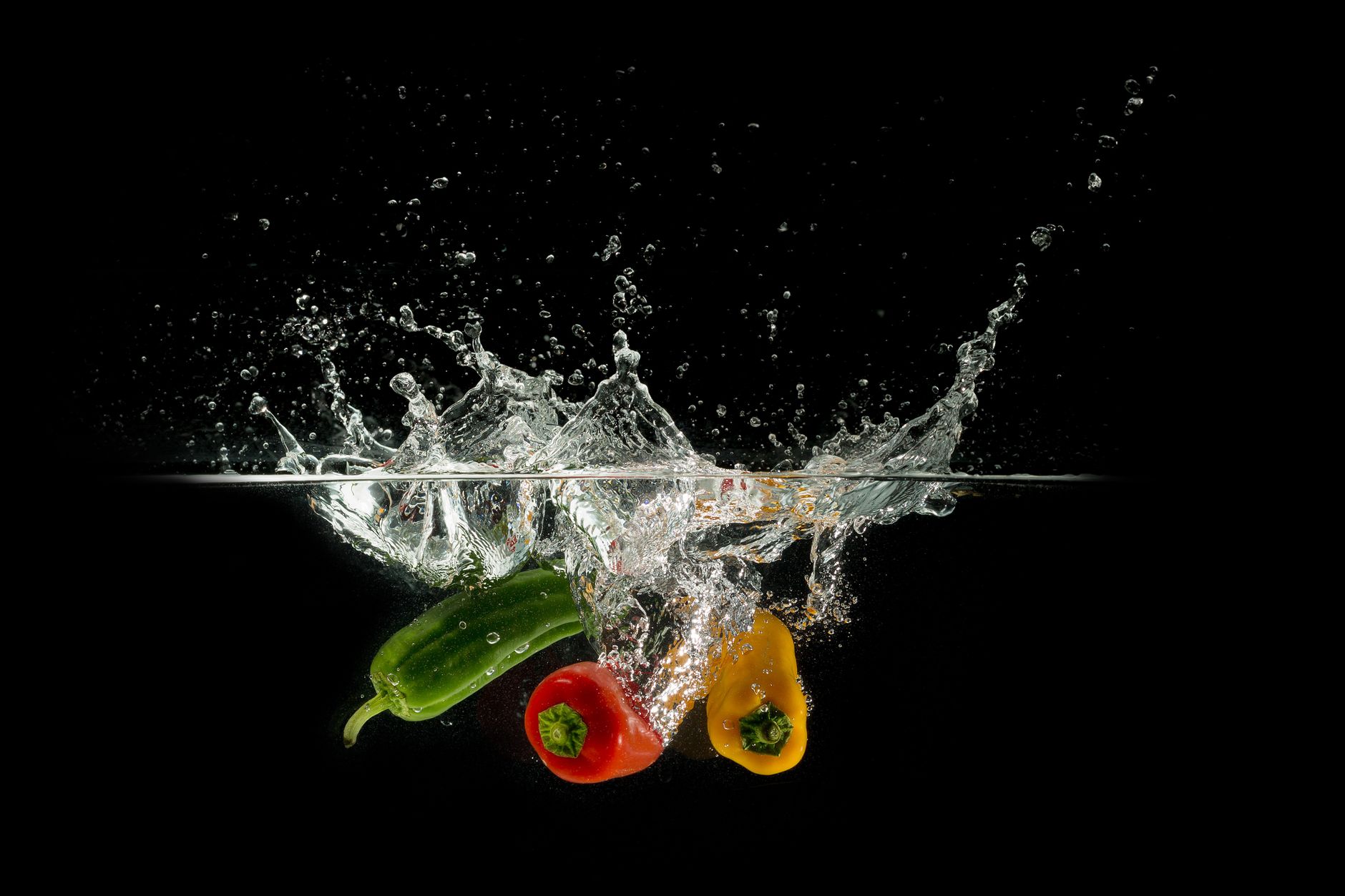
Many dog owners wonder about the safety and health benefits of sharing human food with their furry friends. One popular vegetable that often comes to mind is bell pepper. These colorful vegetables are a staple in many diets, but can dogs eat bell pepper safely?
The good news is that bell peppers are safe for dogs to eat. They are low in calories and offer a variety of vitamins and antioxidants. However, it’s essential to prepare them correctly and monitor your dog for any adverse reactions. Let’s explore the nutritional benefits, potential risks, and best ways to serve bell peppers to your canine companion.
Can Dogs Eat Bell Pepper?
Yes, dogs can eat bell peppers. They are not toxic and can even be a nutritious snack. Bell peppers come in various colors, such as green, red, yellow, and orange, each with slightly different nutrient profiles. While they offer health benefits for dogs, it’s crucial to introduce them gradually and in moderation.
Health Benefits of Bell Peppers for Dogs
Bell peppers are loaded with nutrients that can benefit your dog’s overall health. Here are some of the key advantages:
- Low in calories: Bell peppers are low in calories, making them an excellent choice for dogs that need to maintain a healthy weight.
- Rich in vitamins: They are a great source of vitamins A, C, and E, which can help support your dog’s immune system.
- Antioxidants: Bell peppers contain antioxidants that can help combat free radicals in the body, promoting overall health.
- Fiber: The fiber content in bell peppers can aid digestion, which is beneficial for dogs prone to gastrointestinal issues.
Types of Bell Peppers
Bell peppers vary in color and taste, with different nutritional content. Here’s a breakdown of the common types:
- Green Bell Peppers: These are unripe bell peppers. They have a slightly bitter flavor and are lower in vitamins than their ripe counterparts.
- Red Bell Peppers: These are fully ripened and contain the most nutrients, including a higher concentration of vitamins A and C.
- Yellow Bell Peppers: These are sweeter than green peppers and provide a middle ground in nutrient content between green and red.
- Orange Bell Peppers: Similar in taste to yellow peppers, orange bell peppers also offer a good amount of vitamins and a slightly different flavor profile.
How to Prepare Bell Peppers for Your Dog
When serving bell peppers to your dog, it’s essential to prepare them correctly to ensure they are safe and palatable. Follow these steps:
- Wash: Rinse the bell pepper under cold water to remove any pesticides or dirt.
- Remove the seeds and stem: Cut the bell pepper in half and remove the seeds and stem, as these can be difficult for dogs to digest.
- Cut into smaller pieces: Slice the bell pepper into bite-sized pieces to prevent choking hazards, especially for smaller dog breeds.
- Cook or serve raw: Dogs can safely eat raw bell peppers, but cooking them can make them easier to digest. If you choose to cook them, steam or bake without added oils or spices.
Portion Sizes for Dogs
When introducing bell peppers into your dog’s diet, moderation is crucial. The ideal portion size depends on your dog’s size:
- Small dogs: Start with a tiny piece (about 1/4 of a pepper) once or twice a week.
- Medium dogs: Offer a few slices (around 1/4 to 1/2 of a pepper) several times a week.
- Large dogs: They can handle a larger portion, such as half a pepper or more, a few times a week.
Potential Risks and Side Effects
While bell peppers are generally safe, some dogs may experience digestive upset if they eat too much or are not used to new foods. Common side effects can include:
- Upset stomach: Some dogs may have difficulty digesting new foods and may experience diarrhea or vomiting.
- Allergic reactions: While rare, some dogs may have allergies to specific vegetables, including bell peppers. Monitor for any signs of allergies, such as itching or swelling.
Common Mistakes to Avoid
When feeding bell peppers to your dog, be cautious of the following common mistakes:
- Using spices or additives: Dogs do not need added salt, spices, or oils. Serve plain bell peppers for the best results.
- Overfeeding: Always introduce new foods in moderation to avoid gastrointestinal distress. Too much bell pepper can cause upset stomachs.
- Feeding the wrong part: Avoid giving your dog the seeds or stem of the bell pepper, as these are not digestible and can cause blockages.
Can Dogs Eat Other Types of Peppers?
Besides bell peppers, you might wonder about other types of peppers. Here’s a quick overview:
- Jalapeños: These spicy peppers are not suitable for dogs as they can cause digestive issues and discomfort.
- Poblano peppers: Similar to jalapeños, these peppers can be too spicy for dogs and should be avoided.
- Sweet peppers: Mild sweet peppers, like banana peppers, can be safe in small amounts, but they shouldn’t replace bell peppers.
How to Incorporate Bell Peppers into Your Dog’s Diet
Incorporating bell peppers into your dog’s diet can be fun and creative. Here are a few ideas:
- Treats: Serve them raw as a crunchy treat or mix them into homemade dog treats.
- Food toppers: Chop bell peppers finely and mix them into your dog’s regular food for added flavor and nutrition.
- Dog-friendly stir-fry: Cook bell peppers with dog-safe proteins like chicken or beef for a tasty meal.
What to Do If Your Dog Eats Too Much Bell Pepper
If you suspect your dog has overeaten bell peppers, watch for signs of distress. Here’s what to do:
- Monitor their behavior: Look for any signs of discomfort, vomiting, or diarrhea.
- Contact your veterinarian: If you notice severe symptoms or if your dog has eaten a significant amount, consult your vet for advice.
Conclusion
Bell peppers can be a healthy addition to your dog’s diet, offering nutrients and a low-calorie snack. Always prepare them properly and be mindful of portion sizes. By following the tips outlined here, you can safely share this colorful vegetable with your furry friend.
For more ideas on what to feed your dog or to explore different recipes and tips on healthy dog snacks, check out related articles and guides available on our blog.