
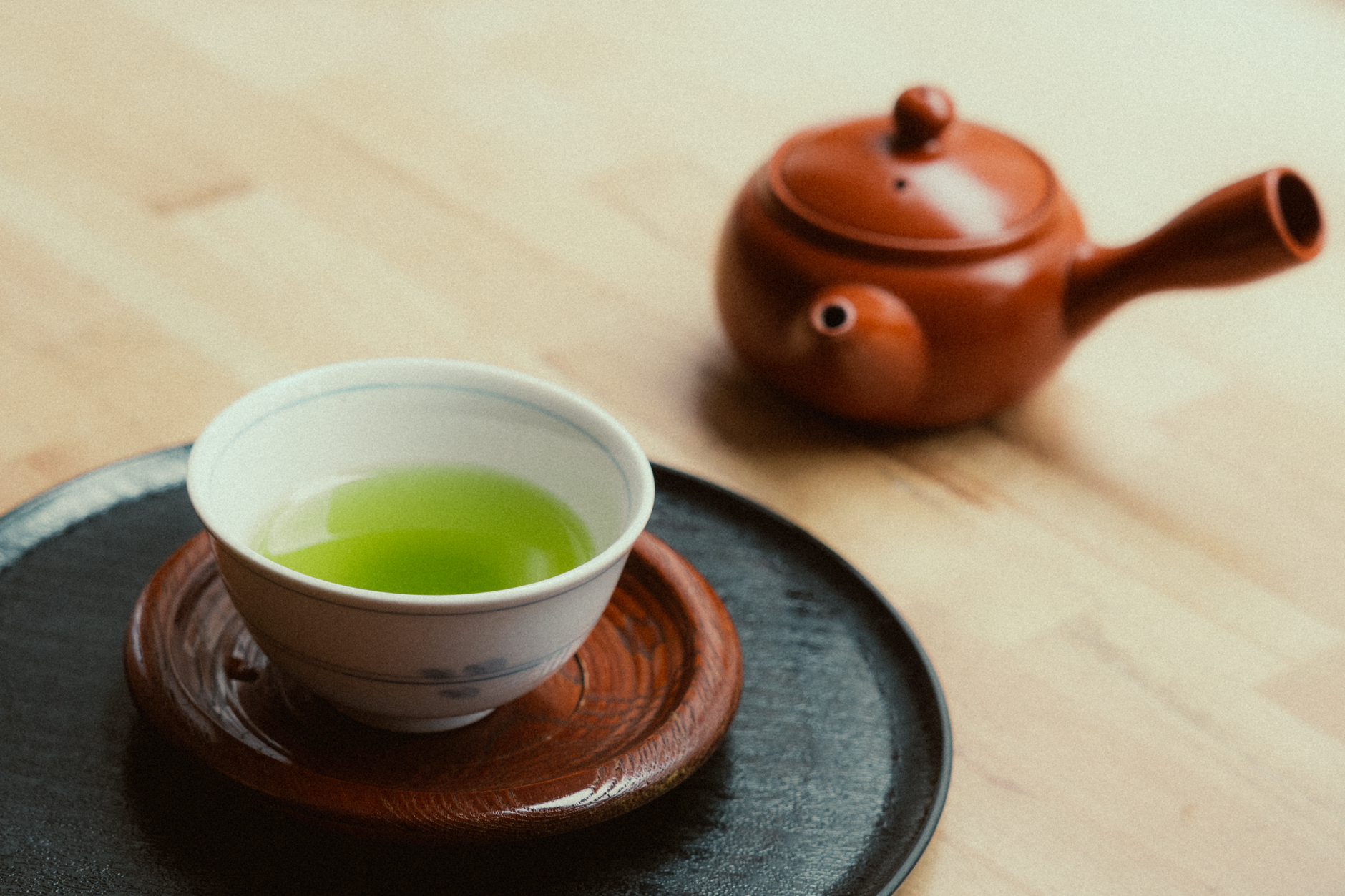
Understanding the flavor profile of green tea is essential for anyone looking to enjoy this ancient beverage. With its unique taste, green tea offers an experience that can vary widely based on various factors, including the type of tea, how it’s prepared, and even the region it comes from.
This article explores what green tea tastes like, diving into its flavor notes, aroma, texture, and how it can be enjoyed in various forms. Whether you are a long-time lover or a curious newcomer, this guide has something for everyone.
What Does Green Tea Taste Like?
Green tea typically has a delicate, grassy flavor that’s accompanied by varying levels of sweetness and bitterness. Its taste can range from vegetal and earthy to floral or nutty, depending on factors like the type of green tea, its processing, and how it is brewed.
Understanding Green Tea Flavor Profile
Green tea’s flavor is influenced by many components, primarily due to the tea leaves’ characteristics and the brewing method used. Here are some of the key elements contributing to its taste:
- Umami: The savory quality of green tea often attributed to amino acids.
- Bitterness: A slight bitterness can add depth, especially in higher-quality teas.
- Sweetness: Some varieties have a natural sweetness that rounds out their flavor.
- Vegetal Notes: Fresh, green flavors often reminiscent of crops, grass, or vegetables.
- Floral or Fruity: Certain types can have floral or fruity undertones, adding complexity.
- Nuttiness: Some teas may impart a mild, nut-like flavor.
Different Types of Green Tea and Their Unique Flavors
The taste of green tea can diverge significantly based on its specific type. Here are a few commonly enjoyed varieties and their characteristic flavors:
1. Sencha
Sencha, one of the most popular Japanese green teas, offers a bright, fresh flavor with grassy and slightly sweet notes. It can have a mild acidity with a refreshing finish.
2. Matcha
Matcha is powdered green tea that provides a rich, creamy texture and a deep, umami flavor. It’s often described as having a vegetal taste with a natural sweetness, making it versatile for both drinking and cooking.
3. Gyokuro
Gyokuro is a shaded green tea known for its smooth, sweet flavor profile. It exhibits very little bitterness and showcases complex umami and marine notes, often likened to seaweed.
4. Longjing (Dragon Well)
This Chinese green tea stands out for its roasted, nutty flavor with a slightly sweet aftertaste. The leaves have a distinct flat shape, giving it a unique visual appeal along with its flavor.
5. Hojicha
Hojicha is roasted green tea with a warm, toasty character. Its taste is milder, with caramel and nutty undertones and lower caffeine, making it popular for evening enjoyment.
Factors Affecting Taste
The taste of green tea can be affected by several factors, including:
1. Growing Conditions
Climate, soil, and altitude influence the flavor components of the leaves. For instance, tea grown in shaded areas typically has higher levels of amino acids, resulting in a richer umami flavor.
2. Harvest Time
Choosing the right time for harvest can also impact taste. Younger leaves, harvested in spring, tend to have a sweeter and milder flavor than older leaves picked later in the season.
3. Processing Method
How the leaves are processed after harvesting significantly affects flavor. Steaming, pan-firing, and oxidation all play roles in developing the final taste profile.
4. Brewing Technique
The temperature and duration of the brewing process can alter the tea’s characteristics. Higher temperatures and longer steep times often lead to more bitterness.
How to Brew Green Tea for Optimal Flavor
Getting the best flavor from your green tea requires attention to detail in the brewing process. Here are some steps to ensure you enjoy the full depth of green tea’s flavor:
Essential Equipment
- Teapot or tea infuser
- Kettle
- Measuring spoon or scale
- Timer
- Tea cups
Ingredients
- Green tea leaves (about 1-2 teaspoons per cup)
- Water (8 ounces per cup)
Step-by-Step Brewing Method
- Heat water to the appropriate temperature (about 160°F to 185°F, depending on the type of green tea).
- Measure the green tea leaves depending on your taste preference.
- Place the leaves in the teapot or infuser.
- Pour the hot water over the tea leaves.
- Let it steep for 1 to 3 minutes, adjusting according to your taste. Sencha, for instance, is best steeped for about 2 minutes.
- Remove the leaves and pour the tea into a cup.
- Enjoy your freshly brewed green tea!
Tasting Notes for Green Tea
When tasting green tea, consider the following guidelines to enhance your experience:
1. Aroma
Take a moment to notice the aroma before drinking. Fresh, grassy scents are common, with some teas offering sweet or floral notes.
2. First Sip
On the first sip, pay attention to the primary flavors—whether they lean vegetal, sweet, or umami. Consider how these flavors evolve on your palate.
3. Aftertaste
After swallowing, observe the lingering notes. A smooth finish may indicate high-quality tea, while some might leave a slight bitterness.
Pairing Green Tea with Food
Green tea can harmonize beautifully with food, enhancing the flavors and enriching the meal. Here are some pairing suggestions:
- Seafood: The umami flavors of green tea complement grilled fish, sushi, and shellfish.
- Salads: Light green teas pair well with fresh salads, especially those featuring citrus or Asian-inspired dressings.
- Nuts: Roasted nuts or seeds provide an earthy balance to the tea’s vegetal notes.
- Desserts: Green tea complements lighter desserts like sorbets, matcha-flavored cakes, or even chocolate truffles.
Common Mistakes to Avoid
When brewing green tea, there are common pitfalls that might compromise its flavor:
- Using Boiling Water: High temperatures can extract harmful bitterness, making the tea unpalatable.
- Over-Steeping: Allowing green tea to steep for too long will also lead to bitterness.
- Using Low-Quality Leaves: The quality of tea leaves can greatly influence flavor. Invest in high-quality sources when possible.
Exploring Green Tea Variations
Green tea is versatile and can be enjoyed in various ways—from hot brews to iced teas and even in cooking. Here are a few variations to consider:
1. Iced Green Tea
Making iced green tea is straightforward. Brew as usual, allow it to cool, then pour over ice. Adding fresh fruits like lemon or berries can enhance its flavor.
2. Matcha Lattes
Blend matcha powder with steamed milk (or a milk alternative) for a creamy drink with depth and sweetness. Sweeteners like honey or vanilla can further enhance the flavor.
3. Green Tea Smoothies
Incorporate brewed and cooled green tea into smoothies for a refreshing pick-me-up. Pair with spinach, banana, or avocado for added nutrition.
The Cultural Significance of Green Tea
Green tea holds a significant cultural role in various societies, particularly in Japan and China, where it is enjoyed in traditional tea ceremonies. Understanding its rich heritage can enhance appreciation for its unique flavors and qualities.
In Japan, for instance, the way green tea is prepared and served can reflect respect, mindfulness, and aesthetic beauty. The flavors experienced are intertwined with respect for the ingredients and processes involved.
Conclusion
Green tea offers a complex and enriching flavor experience that can vary widely based on several factors, from the type of tea to the way it is brewed. With its unique vegetal notes and potential for sweetness, it is a beverage that many find appealing. As you explore the world of green tea, consider experimenting with different types and pairing them with food to fully appreciate its diverse flavors.
For more culinary experiences, check out our strawberry matcha recipe and learn about the intriguing taste of saffron in our article on saffron flavor.