
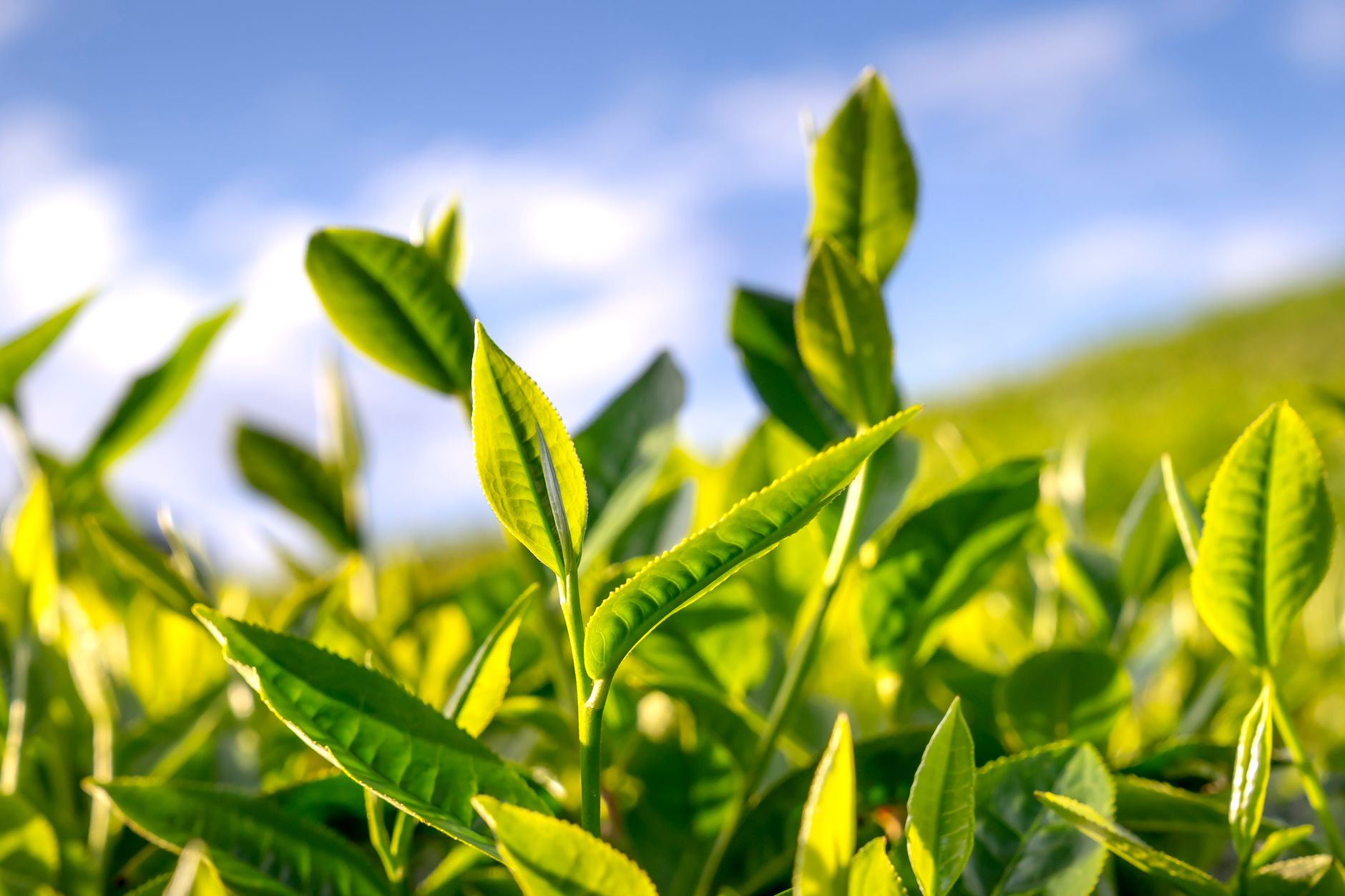
Bloating can be an uncomfortable experience for many, often leading to feelings of fullness and abdominal discomfort. One natural remedy that has garnered attention is green tea, known for its numerous health benefits. But does it actually help with bloating? In this article, we will explore the properties of green tea, its effects on digestion, and practical ways to integrate it into your routine for potential relief.
Green tea, derived from the Camellia sinensis plant, is rich in antioxidants and has been praised for its health-promoting properties. This article will delve into how green tea may help alleviate bloating, its overall benefits for gut health, and tips on brewing and consuming it for optimal results.
Does Green Tea Help With Bloating?
Yes, green tea can help with bloating due to its anti-inflammatory properties, mild diuretic effects, and ability to promote digestion. These characteristics may contribute to reducing excess gas and improving overall digestive health.
Understanding Bloating
Bloating is often caused by various factors, including diet, digestive disorders, and lifestyle habits. It can result from the accumulation of gas in the digestive tract, often linked to food intolerance, constipation, or simply overeating.
Common symptoms of bloating include:
- A feeling of fullness or tightness in the abdomen
- Visible swelling or distension
- Discomfort and abdominal pain
- Belching and flatulence
How Green Tea Helps With Bloating
1. Anti-Inflammatory Properties
Green tea contains polyphenols, specifically catechins, which have strong anti-inflammatory effects. Chronic inflammation in the gut can lead to bloating and other digestive issues. The antioxidants in green tea may help counteract this inflammation, promoting a healthier digestive environment.
2. Mild Diuretic Effect
Green tea is known for its mild diuretic properties. This may help reduce water retention, a common contributor to bloating. Drinking green tea can promote the excretion of excess fluids, thus alleviating that uncomfortable, puffy feeling.
3. Promotion of Digestion
The consumption of green tea can help to enhance digestion. The catechins in green tea stimulate the secretion of digestive enzymes, which can improve the breakdown of food. Improved digestion can reduce gas production and, subsequently, bloating.
4. Relaxation of the Digestive Tract
Some studies suggest that the amino acid L-theanine, found in green tea, may help relax the digestive tract. This relaxation can aid in smoother digestion and potentially reduce bloating caused by spasms or contractions in the gut.
Brewing Green Tea for Digestive Health
To reap the benefits of green tea, it is vital to prepare it correctly. Here are some essential tips on brewing green tea for maximum efficacy:
1. Choosing the Right Type of Green Tea
There are several types of green tea, each with unique flavors and health benefits. Look for high-quality, organic green tea—options like Sencha, Matcha, or Gunpowder are well-regarded. Matcha, in particular, has a higher concentration of catechins due to the consumption of the whole leaf.
2. Perfect Brewing Temperature
Green tea is delicate and can become bitter if steeped in water that is too hot. The ideal temperature for brewing green tea ranges from 160°F to 185°F (70°C to 85°C).
3. Steeping Time
The recommended steeping time for green tea is 2 to 3 minutes. Steeping for too long can release excessive tannins, leading to a bitter taste.
4. Ingredients to Enhance Benefits
To amplify the digestive properties of your green tea, consider adding ingredients that also aid in reducing bloating:
- Ginger: Known for its digestive properties, ginger can help relieve nausea and gas.
- Mint: Peppermint can relax digestive muscles and reduce bloating.
- Lemon: Adding lemon can enhance flavor and restore balance to the digestive tract.
Practical Ways to Incorporate Green Tea into Your Routine
Incorporating green tea into your daily routine is straightforward and can be enjoyable. Here are some simple methods:
1. Daily Tea Routine
Consider starting your day with a cup of green tea instead of coffee. This provides a gentle, caffeine boost without overwhelming your digestive system. Enjoy it plain, or add ginger or lemon as discussed.
2. Iced Green Tea
As an alternative, make iced green tea by brewing it hot first and then cooling it down. Infuse it with fruits, such as berries or citrus for added flavor and antioxidants.
3. Green Tea Smoothies
Incorporate brewed and cooled green tea into your smoothies. Blend it with fruits, spinach, and a bit of yogurt for a refreshing beverage that supports digestion while providing nutrients.
4. Culinary Uses
Green tea can also be used in cooking. Consider using matcha powder in baked goods, sauces, or salad dressings for a subtle flavor and health benefits.
Potential Drawbacks of Green Tea
While green tea is generally safe for most people, excessive consumption can lead to side effects due to its caffeine content or tannins. Here’s what to keep in mind:
- Caffeine Sensitivity: If you’re sensitive to caffeine, limit your intake to avoid jitters or insomnia.
- Tannin Sensitivity: Some individuals may experience gastrointestinal upset from tannins found in green tea.
Common Mistakes When Brewing Green Tea
Here are some pitfalls to avoid when making green tea:
- Using Boiling Water: This can burn the leaves and result in bitterness.
- Steeping Too Long: Over-steeping can also cause bitterness and make the tea unpleasant.
- Not Using Enough Tea: Using too little tea can make the drink weak without sufficient catechins.
Storing Green Tea
Proper storage of green tea is crucial for maintaining its quality:
- Airtight Containers: Store your green tea in an airtight container to protect it from moisture and air exposure.
- Cool, Dark Place: Keep it in a cool, dark place away from sunlight and strong odors.
- Avoid Heat: Heat can degrade the tea’s flavor and nutritional properties.
Other Natural Remedies for Bloating
In addition to green tea, you may want to experiment with other natural remedies for bloating:
- Pineapple: Contains bromelain, an enzyme that may aid digestion.
- Chamomile Tea: Known for its soothing properties and ability to reduce gas.
- Fennel Seeds: Chewing fennel seeds may help relieve bloating and gas.
Conclusion
Green tea can be a valuable ally in the quest to alleviate bloating. Its anti-inflammatory and digestive properties make it a practical addition to your diet. Experiment with different types of green tea and brewing methods to discover what works best for you. Be mindful of the quantity, as moderation is key.
For related recipes and tips, consider exploring other options like delicious chia pudding using coconut milk or learning about the taste profile of green tea to enhance your culinary experiences.