
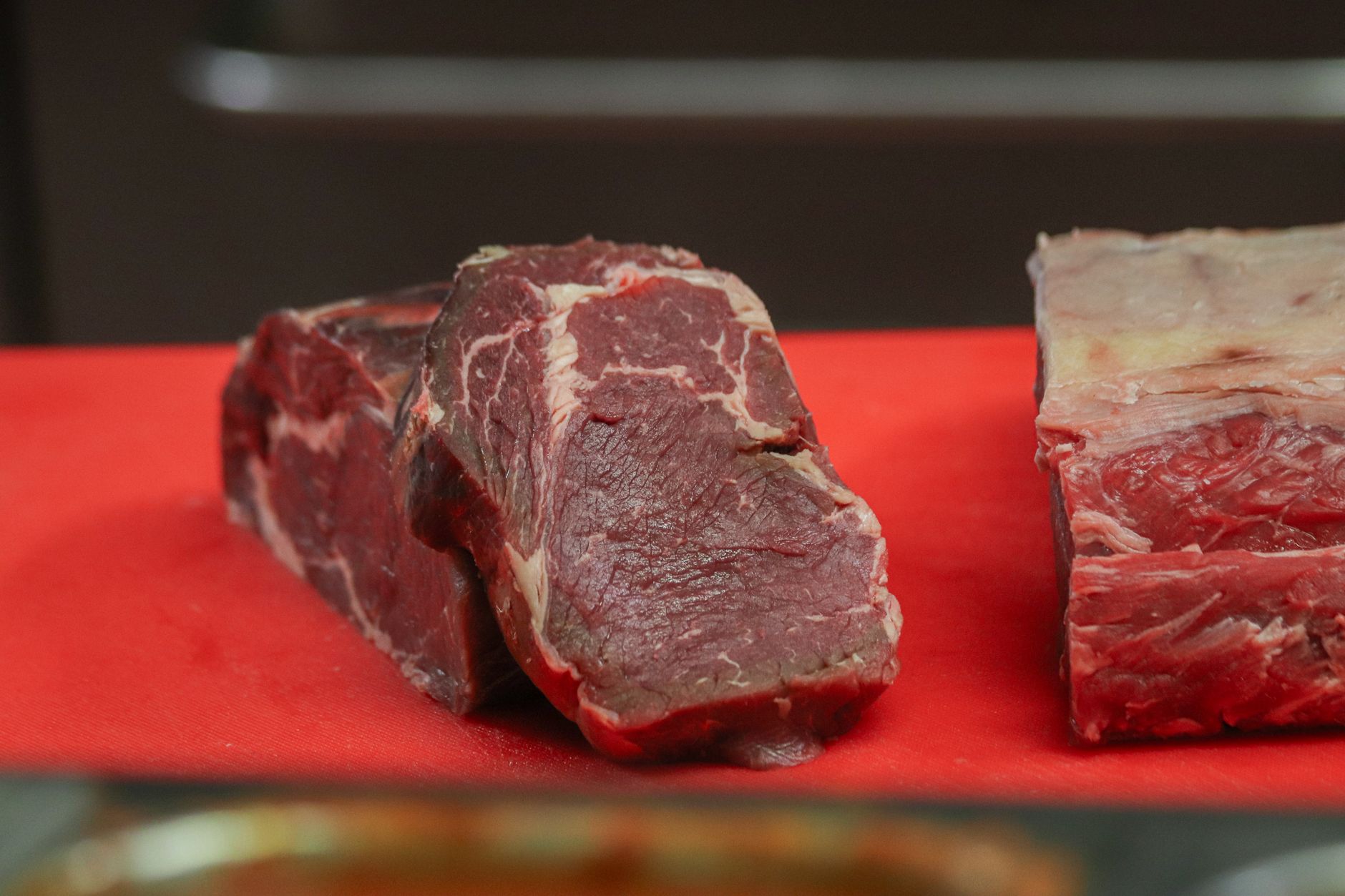
Beef is a popular source of protein enjoyed around the world, but knowing how to determine its freshness is crucial for both safety and quality. Improperly stored or spoiled beef can lead to health risks and spoil your culinary plans. Understanding how to identify bad beef can help you make informed decisions at the grocery store, at home, and when preparing meals.
This guide will explore the telltale signs of spoiled beef, how to properly store your meat, and essential food safety tips to keep your meals healthy and delicious.
How Do You Know When Beef Is Bad?
You can determine if beef is bad by checking its color, smell, texture, and storage time. Fresh beef is usually bright red, has a clean smell, and firm texture. If you notice any off-putting odors, a slimy texture, or discoloration, it’s likely that the beef has gone bad. Additionally, always consider the time it has been stored and the conditions it has been kept in.
Signs of Spoiled Beef
Recognizing signs of spoilage in beef is essential. Below are some of the key indicators that can help you determine if your beef has gone bad:
1. Color Changes
Fresh beef typically exhibits a bright red color due to myoglobin, a protein that holds oxygen and gives meat its characteristic hue. Over time, beef may lose its vibrant color and turn brown or gray. While discoloration can indicate spoilage, it is not the sole factor. Always consider the other signs listed here.
2. Odor
Fresh beef has a mild, slightly metallic scent. If the beef emits a sour, rancid, or ammonia-like odor, these are strong indicators that it is spoiled. Spoiled beef will have an unpleasant smell that is hard to ignore. If in doubt, it’s best to err on the side of caution and discard it.
3. Texture
The texture of fresh beef should be firm and slightly moist, but not sticky or slimy. A slimy or tacky film on the surface is a clear sign of spoilage. If you notice any stickiness when handling the beef, it’s best to discard it.
4. Expiration Dates
Always check the expiration or sell-by date when purchasing beef. While some cuts of beef may still be safe to consume for a short period after these dates, it’s essential to use your senses to gauge freshness. If the date has passed and you notice any of the previous signs, it’s best to throw it away.
5. Storage Conditions
The way beef is stored can significantly impact its freshness. If beef has been left out at room temperature for more than two hours, there is a good chance it has entered the danger zone for bacterial growth. Beef should always be refrigerated or frozen promptly after purchase to maintain its quality.
Proper Beef Storage Techniques
Proper storage is vital to maintaining the quality and safety of beef. Below are some effective storage techniques that can prolong the life of your meat:
1. Refrigeration
Beef should be refrigerated promptly after purchase. Ensure your refrigerator is set to 32°F to 40°F (0°C to 4°C). Store beef in its original packaging or transfer it to an airtight container to prevent exposure to air and moisture, which can speed up spoilage.
2. Freezing
If you won’t use the beef within a few days, consider freezing it. Wrap the beef tightly in plastic wrap, aluminum foil, or freezer paper before placing it in the freezer. Additionally, you can use vacuum-sealed bags to prevent freezer burn. Properly stored, beef can last in the freezer for 4 to 12 months depending on the cut.
3. Avoid Cross-Contamination
Cross-contamination can lead to foodborne illness. Always keep raw beef separate from other food items, particularly those that are ready to eat. Use different cutting boards and utensils for raw meat and other ingredients, and wash hands thoroughly after handling raw beef.
Cooking Beef Safely
Cooking beef to the appropriate internal temperature is crucial for safe consumption. Below are the recommended temperatures for various cuts of beef:
- Ground beef: 160°F (71°C)
- Steaks and roasts: 145°F (63°C) followed by a three-minute rest
- Pork beef: 160°F (71°C)
- Beef liver: 160°F (71°C)
Using a food thermometer is the best way to ensure that the beef is cooked properly. Relying only on visual cues can be misleading, and consuming undercooked beef can cause foodborne illnesses.
Frequently Asked Questions (FAQs)
1. Can I cook beef that smells bad?
No. If beef has a foul odor, it is indicative of spoilage and should not be consumed, even if it is cooked. Discard it immediately.
2. Is it safe to thaw beef at room temperature?
No. Thawing beef at room temperature can promote the growth of harmful bacteria. The best way to thaw beef is in the refrigerator, in cold water, or in the microwave if you plan to cook it immediately.
3. How long can I keep beef in the refrigerator?
Uncooked beef can typically last in the refrigerator for 3 to 5 days, whereas cooked beef can last about 3 to 4 days. However, always check for signs of spoilage before consuming.
4. What should I do if I doubt the freshness of my beef?
If you are uncertain about the freshness of your beef, it’s best to be cautious and discard it. Food safety should be your top priority.
Practical Storage Tips
To help you manage your beef and ensure proper storage, consider the following practical tips:
- Label your beef with the purchase date to keep track of freshness.
- Keep beef on the bottom shelf of your refrigerator to prevent juices from dripping onto other foods.
- If you buy in bulk, consider portioning beef into meal-sized servings before freezing.
- Save vacuum-sealed beef packages after use; they can be effective for storage and freezing.
- Keep a thermometer handy in both your refrigerator and freezer to monitor temperatures regularly.
When to Worry: Foodborne Illness Symptoms
Even with careful handling, beef can occasionally lead to foodborne illnesses. Symptoms of foodborne illnesses can resemble other ailments, so it is vital to stay informed. Common symptoms include:
- Nausea and vomiting
- Diarrhea
- Abdominal cramps
- Fever
- Headaches
If you experience these symptoms within hours or days after consuming beef, seek medical attention, particularly if symptoms persist or worsen.
What to Do with Leftover Beef
If you have leftover cooked beef, it’s essential to store it correctly to prolong its freshness. Follow these guidelines:
1. Cool Promptly
Let cooked beef come to room temperature before refrigerating it. However, do not leave it out for more than two hours. Divide larger portions into smaller containers to help cool quickly.
2. Store in Airtight Containers
Use airtight containers for leftover beef to keep it fresh and free from odors. Properly stored, cooked beef can last in the refrigerator for about 3 to 4 days. If you don’t plan to use it within that time, refrigerate or freeze it promptly.
3. Use Within a Reasonable Time
Consume leftover cooked beef within 3 to 4 days. If frozen, consume within two to six months for the best quality.
Common Mistakes to Avoid
To ensure the best quality and safety in your beef, avoid these common mistakes:
- Ignoring expiration dates: Always check the date before purchasing and consuming beef.
- Neglecting proper storage: Failing to wrap or seal beef can lead to spoilage.
- Thawing incorrectly: Avoid leaving beef at room temperature for thawing.
- Assuming smell is the only sign of spoilage: Pay attention to color and texture as well.
- Not using a thermometer: Always use a thermometer to ensure beef is cooked to safe temperatures.
Conclusion
Identifying when beef has gone bad is essential for both safety and enjoying high-quality meals. Pay attention to the color, smell, texture, and expiration dates. Proper storage techniques can help prevent spoilage, and cooking beef to the right temperature ensures a safe meal. When in doubt, it’s always safer to discard questionable beef to avoid health risks.
Now that you’re better informed about beef handling and storage, consider exploring related articles like how long is ground beef good for in the fridge, or learn how to know if chicken is bad. This knowledge will enhance your overall cooking experience and keep your meals safe and enjoyable.