
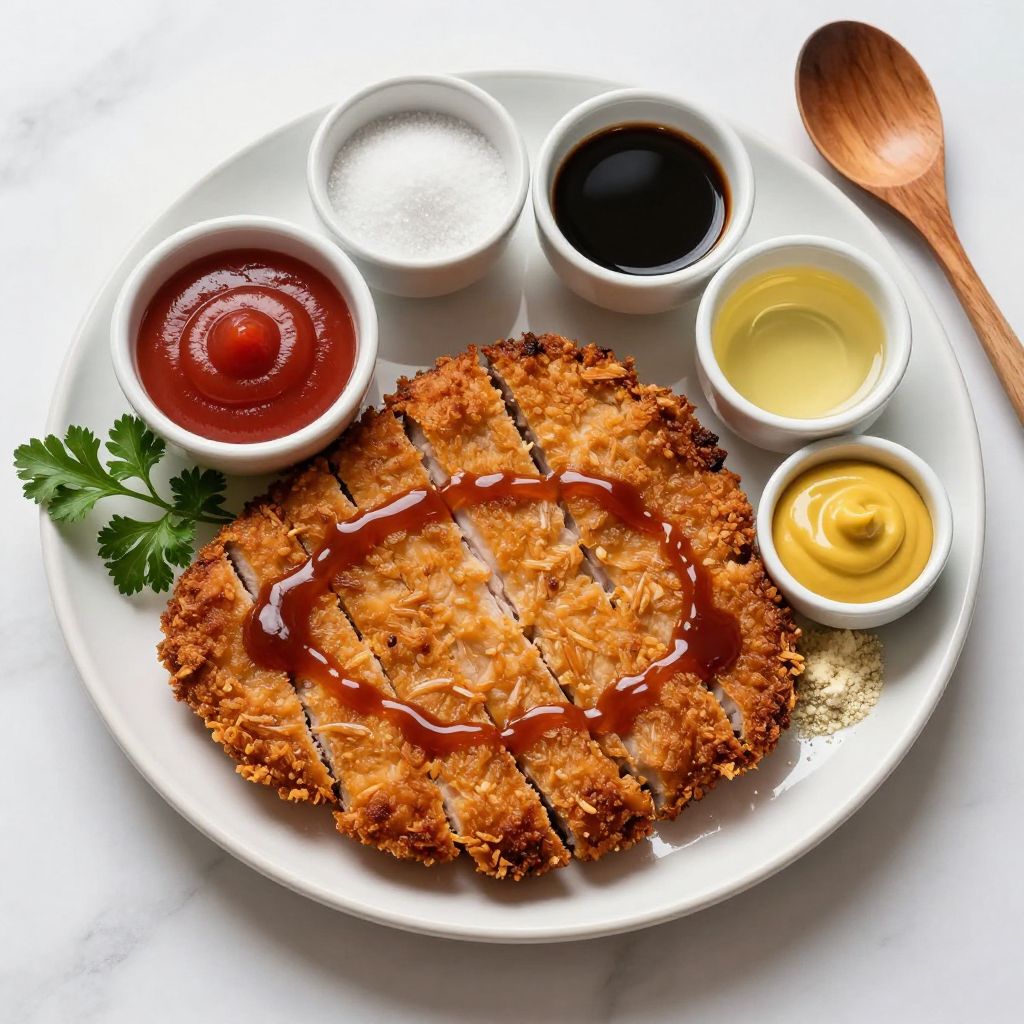
Picture this: crispy, golden-brown pork cutlets slathered in a rich, tangy sauce that brings everything together. That’s the magic of Tonkatsu Sauce, a staple in Japanese cuisine that adds a punch of flavor to your favorite dishes. This simple recipe is a must-try for busy cooks and food lovers alike, as it combines sweetness, tang, and umami in one delightful bottle. Trust me, once you taste this homemade version, you won’t want to go back to store-bought. Let’s gather our ingredients and get started!
Why You’ll Love This Recipe
This recipe is a keeper for several reasons.
- Quick and easy to prepare.
- Versatile for various dishes, not just tonkatsu.
- Rich flavor that balances sweet and tangy notes.
- All-natural ingredients without preservatives.
- Perfect for meal prepping or making in bulk.
My Experience Making This Recipe
The first time I made Tonkatsu Sauce, I was amazed at how simple and rewarding it was. The aroma of the simmering ingredients filled my kitchen, making it hard to wait for the sauce to cool down.
When I finally drizzled the sauce over my crispy pork cutlets, the burst of flavor took my meal to a whole new level. Friends and family raved about it, and I knew I had a winner on my hands.
Recipe Overview
- Recipe Name: Tonkatsu Sauce
- Servings: 8
- Prep Time: 5 minutes
- Cook Time: 10 minutes
- Total Time: 15 minutes
- Course: Sauce
- Cuisine: Japanese
- Calories per Serving: 50
Equipment You Will Need
- Medium saucepan
- Whisk
- Measuring cups and spoons
- Storage container or jar
Ingredients for Tonkatsu Sauce
- 1/2 cup ketchup
- 1/4 cup Worcestershire sauce
- 2 tablespoons soy sauce
- 2 tablespoons sugar
- 1 tablespoon apple cider vinegar
- 1 teaspoon Dijon mustard
- 1/2 teaspoon garlic powder
- 1/2 teaspoon ground ginger
Ingredient Notes and Substitutions
- Ketchup: Provides sweetness and tang. You can use tomato sauce for a less sweet version.
- Worcestershire sauce: Adds depth and umami. Instead, use soy sauce mixed with a bit of vinegar.
- Soy sauce: Gives a salty and savory flavor. Tamari works as a gluten-free alternative.
- Sugar: Balances the acidity. Honey or maple syrup can be great substitutes for a different sweetness.
- Apple cider vinegar: Adds acidity. White vinegar or rice vinegar can be used instead.
How to Make Tonkatsu Sauce
Step 1: Gather Your Ingredients
Start by measuring out all your ingredients. This makes mixing them together much smoother and faster.
Step 2: Combine the Ingredients
In a medium saucepan, combine the ketchup, Worcestershire sauce, soy sauce, sugar, apple cider vinegar, Dijon mustard, garlic powder, and ground ginger. This mixture forms the base of your sauce.
Step 3: Whisk Thoroughly
Use a whisk to combine all the ingredients until smooth. This ensures that the sugar dissolves and flavors meld together beautifully.
Step 4: Heat the Sauce
Place the saucepan over medium heat and bring the mixture to a gentle simmer. Heating it helps deepen the flavors and caramelize the sugar slightly.
Step 5: Simmer and Stir
Let the sauce simmer for about 5 minutes, stirring occasionally. This allows the flavors to develop and the sauce to thicken a bit.
Step 6: Taste and Adjust
After simmering, taste the sauce. If you want it sweeter, add more sugar; for tang, a splash more vinegar will do the trick.
Step 7: Cool the Sauce
Remove the saucepan from heat and let the sauce cool to room temperature. Cooling it allows the flavors to settle in nicely.
Step 8: Store Your Sauce
Transfer the cooled sauce to a storage container or jar and seal it tightly. Make sure to label it with the date for freshness.
Pro Tip: This sauce tastes even better the next day, so make it ahead of time for the best flavor!
Tips for the Best Tonkatsu Sauce
- Use high-quality ketchup for a richer flavor.
- Adjust the sweetness and tang to suit your taste preferences.
- Store the sauce in an airtight container for maximum freshness.
- Try adding a pinch of chili powder for a spicy kick.
- Don’t skip the simmering step; it really enhances the flavor!
Common Mistakes to Avoid
- Not measuring ingredients accurately can throw off the flavor balance.
- Skipping the simmering process can lead to a less developed flavor.
- Using low-quality ketchup will result in a bland sauce.
- Overcooking the sauce can make it too thick or burnt.
Serving Suggestions
This sauce is incredibly versatile and pairs beautifully with various dishes.
- Pork cutlets (tonkatsu)
- Grilled chicken or beef
- Vegetable stir-fries
- As a dipping sauce for fries or onion rings
Variations to Try
- Add a splash of sriracha for a spicy version.
- Incorporate some sesame oil for a nutty flavor.
- Use honey instead of sugar for a different sweetness.
- Mix in some finely chopped green onions for freshness.
Dietary Adaptations
- Gluten-free: Use gluten-free soy sauce or tamari.
- Dairy-free: This recipe is naturally dairy-free.
- Vegan: All ingredients are vegan-friendly.
- Low-carb/keto: Substitute sugar with a keto-friendly sweetener.
Storage and Reheating
Refrigerator
Store the sauce in the fridge for up to one month.
- Make sure it is in an airtight container.
- Check for any off-smells before use.
Freezer
You can freeze the sauce for longer storage, up to three months.
- Use a freezer-safe container.
- Leave some space at the top for expansion.
Reheating
Thaw the sauce in the fridge overnight before reheating.
- Reheat gently on the stove over low heat.
- Stir well before serving to recombine ingredients.
Nutrition Information
| Nutrient | Amount |
|---|---|
| Calories | 50 |
| Total Fat | 0g |
| Saturated Fat | 0g |
| Carbohydrates | 12g |
| Fiber | 0g |
| Sugar | 10g |
| Protein | 0g |
| Sodium | 300mg |
| Cholesterol | 0mg |
This nutritional information is an estimate and can vary based on specific ingredients used.
Frequently Asked Questions
Can I make this sauce ahead of time?
Absolutely! It keeps well in the fridge, so feel free to make it in advance.
What can I substitute for Worcestershire sauce?
You can use a mix of soy sauce and vinegar as a substitute for Worcestershire sauce.
How do I store leftover sauce?
Store it in an airtight container in the refrigerator for up to one month.
Can I adjust the sweetness?
Yes, feel free to add more sugar or honey to suit your taste.
What dishes pair well with Tonkatsu Sauce?
This sauce is great with pork cutlets, chicken, or even as a dip for fries.
Final Thoughts
This Tonkatsu Sauce recipe is a delightful way to elevate your meals with minimal effort. You’ll find that once you try this sauce, it becomes a staple in your kitchen.
Give it a whirl, and enjoy the burst of flavors it brings to your table. And if you love sauces, check out my recipes for Hibachi Sauce and Dumpling Dipping Sauce for more delicious options!
Tonkatsu Sauce
Ingredients
Equipment
Method
- Gather all your ingredients.
- In a medium saucepan, combine ketchup, Worcestershire sauce, soy sauce, sugar, apple cider vinegar, Dijon mustard, garlic powder, and ground ginger.
- Use a whisk to combine all ingredients until smooth.
- Place the saucepan over medium heat and bring the mixture to a gentle simmer.
- Let the sauce simmer for about 5 minutes, stirring occasionally.
- After simmering, taste the sauce and adjust sweetness or tang if desired.
- Remove from heat and let the sauce cool to room temperature.
- Transfer the cooled sauce to a storage container or jar and seal tightly.