
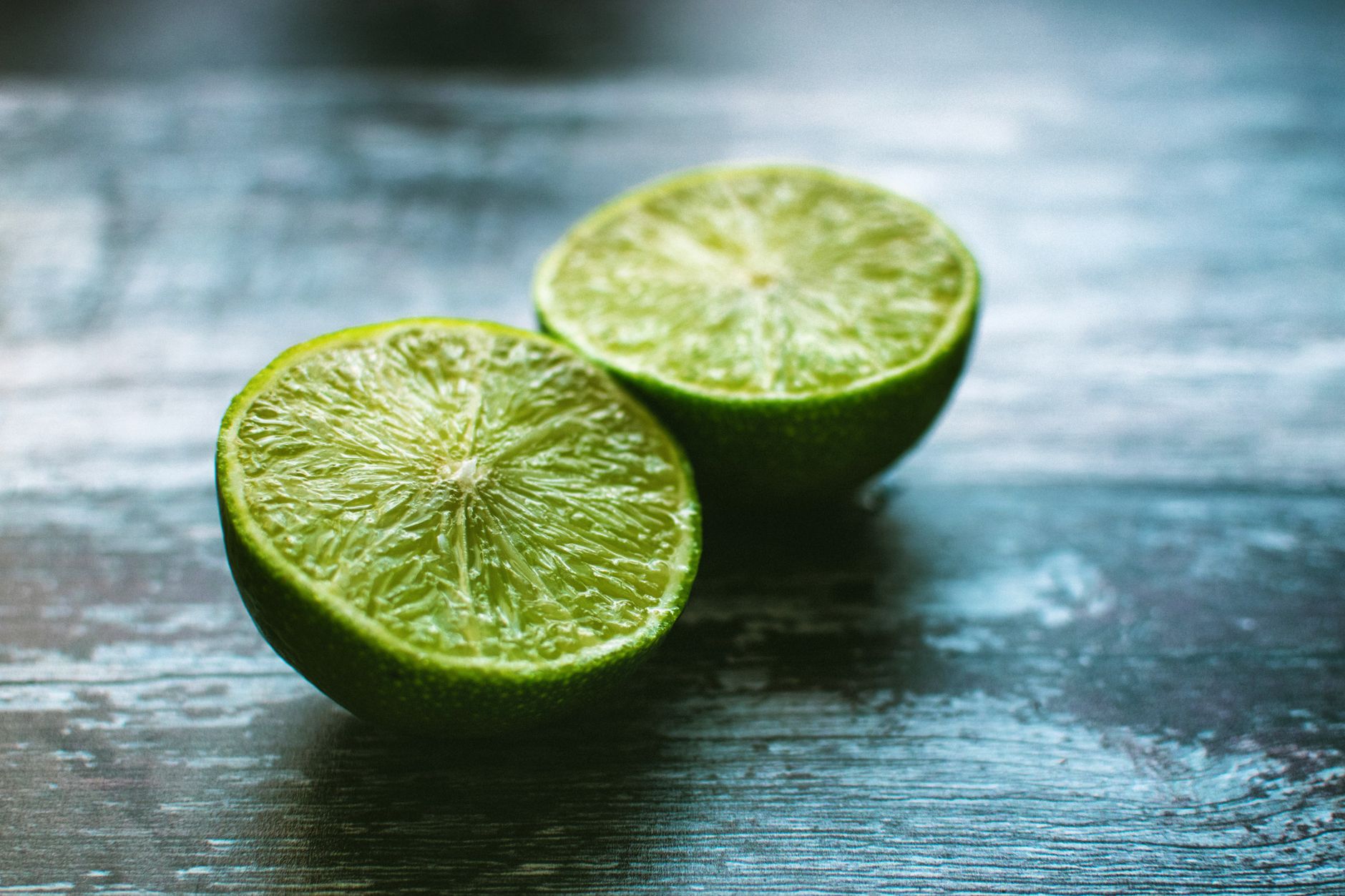
Determining how much juice is typically in a lime is crucial for many recipes, from cocktails to marinades. Understanding the juice yield from limes not only aids in precise cooking and baking but also helps in meal planning and ingredient substitution. This comprehensive guide will delve into lime sizes, juice measurements, and practical uses, ensuring that your culinary creations are both flavorful and consistent.
This guide will cover the average juice yield of a lime, factors that affect juiciness, and practical tips for you to get the most from this zesty fruit. Let’s explore how to measure lime juice effectively and see how it fits into various recipes and preparations.
How Much Juice in a Lime?
On average, a typical lime contains about 2 to 3 tablespoons of juice, equating to approximately 30 to 45 milliliters. However, the exact amount can vary based on the lime’s size, freshness, and variety. Knowing these measurements can help you use limes effectively in your recipes.
Types of Limes and Their Juice Content
Limes come in several varieties, with two of the most common types being Persian (also known as Tahitian) limes and Key limes. Each variety has its distinct flavor profile and juiciness.
1. Persian Limes
Persian limes are the most commonly found limes in grocery stores. They are larger, seedless, and generally juicier than Key limes.
- Average juice yield: 2 to 3 tablespoons per lime
- Flavor: Mildly tart and slightly sweet
2. Key Limes
Key limes, smaller than Persian limes, are famous for their use in desserts such as Key lime pie. They have a more intense flavor and aroma.
- Average juice yield: 1 to 2 tablespoons per lime
- Flavor: Tart and aromatic
Factors Affecting Juice Yield in Limes
Several factors can influence how much juice you can extract from a lime. Understanding these can help maximize yield in your cooking.
1. Size of the Lime
As mentioned, larger limes yield more juice. Choosing medium to large-sized limes is advisable if your recipe calls for a specific amount of juice.
2. Freshness of the Lime
Fresh limes are generally juicier than older limes. Look for limes that feel heavy for their size and have a smooth, firm skin. Avoid limes that are hard or have wrinkles, as they are likely to be dry.
3. Temperature
Juicing limes at room temperature can yield more juice than juicing cold limes. Before juicing, let your limes sit out for about 15-20 minutes to warm up for better results.
4. Juicing Technique
The way you juice a lime can greatly affect how much juice you extract. Using the correct technique or equipment can make a difference.
How to Juice a Lime Effectively
Here are some practical methods for juicing limes, maximizing your juice yield.
1. Manual Juicing
- Roll the lime on a countertop to break down some of the fibers.
- Cut the lime in half crosswise.
- Using your hand, squeeze one half over a bowl or measuring cup, allowing the juice to flow out. Use a fork or a juicer to help extract more juice if necessary.
2. Mechanical Juicing
Using a citrus juicer can significantly ease the juicing process. Here’s how to use a hand juicer:
- Cut the lime in half.
- Place one half face down into the juicer.
- Press the handles together to extract the juice.
3. Electric Juicer
If you’re juicing multiple limes, consider using an electric juicer, which can save time and effort:
- Place the half lime onto the reamer.
- Press down and let the machine extract the juice automatically.
Practical Uses of Lime Juice
Lime juice can enhance many dishes and drinks with its bright and zesty flavor. Here are some common uses:
1. Cocktails and Mocktails
Lime juice is a popular ingredient in cocktails such as margaritas and mojitos. It adds acidity and brightness that elevates the overall drink flavor profile.
2. Marinades and Dressings
Lime juice can be used in marinades for meats, fish, and vegetables to tenderize and infuse flavor. A simple marinade could include lime juice, olive oil, garlic, and herbs.
3. Baking and Desserts
Lime juice can add a refreshing tang to baked goods like cakes and frostings, as seen in Key lime pie, which showcases its unique flavor.
Conversions for Recipes
Having a guideline for how much lime juice is equivalent to fresh limes can ease recipe preparation. Here’s a quick reference:
| Amount of Juice | Equivalent Limes |
|---|---|
| 1 tablespoon | Approximately ½ medium lime |
| 2 tablespoons | 1 medium lime |
| ¼ cup | 2-3 medium limes |
| 1/3 cup | 3-4 medium limes |
Common Mistakes When Juicing Limes
A few pitfalls can lead to disappointment in juice yield or flavor. Here are some common mistakes along with solutions:
1. Not Using Fresh Ingredients
Using old, dry limes will yield less juice. Always select fresh limes for optimal flavor and juice output.
2. Juicing Cold Limes
Juicing limes directly from the refrigerator may prevent achieving maximum juice yield. Let them warm up first.
3. Overjuicing or Overworking the Fruit
While it might seem beneficial, over squeezing limes can release bitter flavors from the rind. Stop once you’ve extracted enough juice.
Storage and Preservation of Lime Juice
Knowing how to store lime juice can help you minimize waste and extend its life:
1. Refrigeration
Freshly squeezed lime juice can be stored in an airtight container in the refrigerator for up to a week. Make sure to seal it tightly to prevent oxidation and loss of flavor.
2. Freezing
If you want to store lime juice for more extended periods, you can freeze it. Use ice cube trays to freeze lime juice in individual portions. Once frozen, transfer the cubes to a zip-top bag, where they can last for up to six months.
3. Bottling
Commercial lime juice sold in bottles often contains preservatives, extending its shelf life. However, always check expiration dates and storage recommendations on the packaging.
Practical Tips for Using Lime Juice in Recipes
- Always measure lime juice carefully, especially in baking where precision is crucial.
- Consider balancing lime juice with sweetness in desserts to avoid excessive tartness.
- In savory applications, lime pairs well with herbs and spices; experiment to find your perfect blend.
Substitutes for Lime Juice
If you find yourself without lime juice, several alternatives can be used, each with different flavor profiles:
- Lemon Juice: A direct substitute that adds a similar acidity but with a slightly different flavor.
- Vinegar: White wine vinegar or apple cider vinegar can mimic the sourness of lime, particularly in dressings and marinades.
- Citric Acid: A powdered form of acid that can be reconstituted in water and used in place of lime. Keep in mind, it is more concentrated.
Conclusion
Understanding how much juice is in a lime, the factors affecting its yield, and the best practices for juicing will enhance your culinary adventures. Whether you’re making a refreshing drink, zesty marinade, or delicious dessert, being well-informed can ensure your dishes shine.
For more incredible recipes that highlight lime flavors, explore our guides on cilantro lime crema or learn to mix the perfect margarita with Cointreau.