
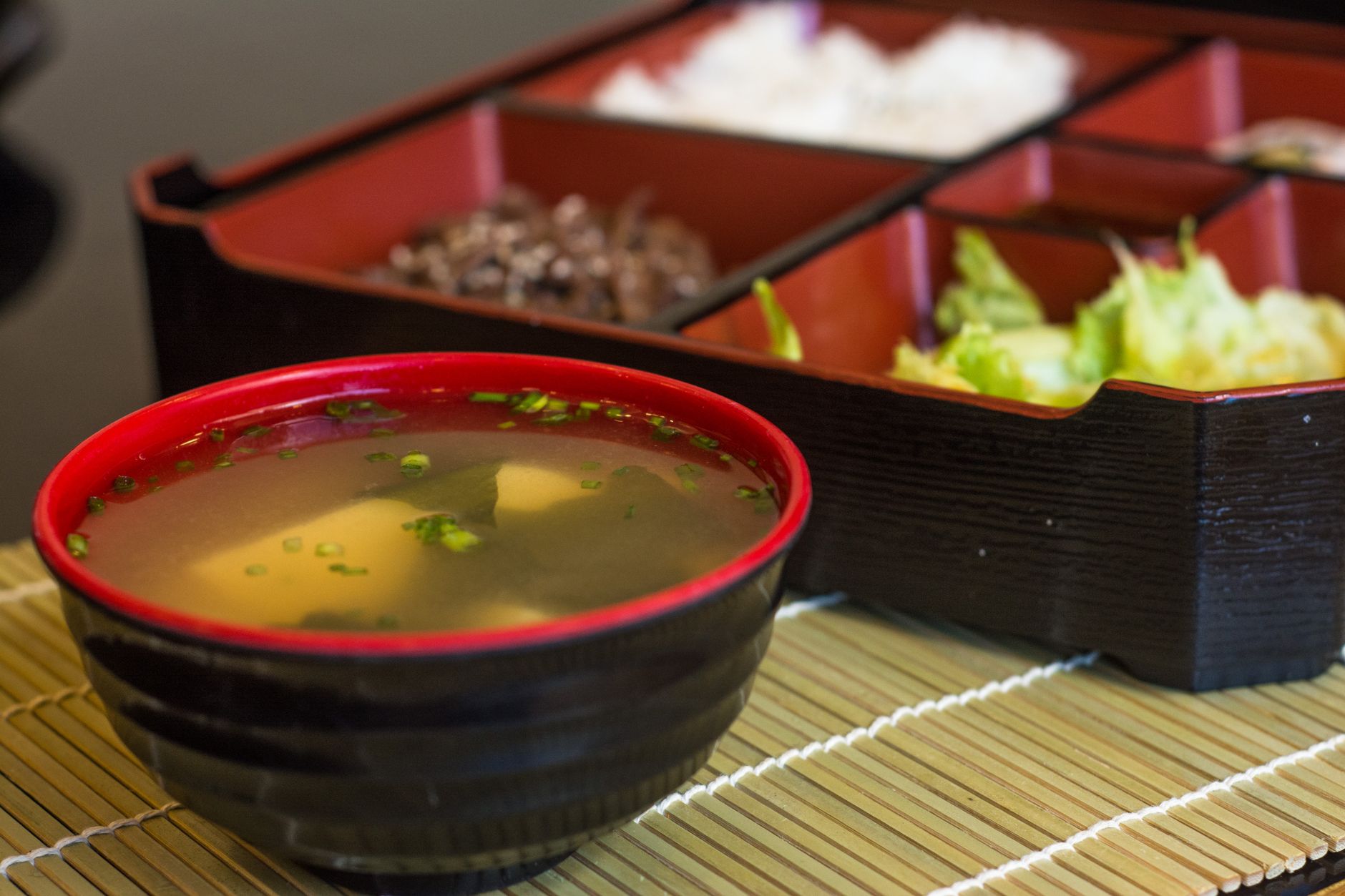
Miso soup is a beloved Japanese dish that offers a unique blend of flavors and textures. With a savory base of miso paste, the soup typically features a light broth, tofu, seaweed, and green onions, making it both nourishing and satisfying.
In this article, we will explore what miso soup tastes like, its various components, and how it can be paired with other foods. Whether you’re looking to understand its flavor profile or find the perfect accompaniments, we’re here to provide that insight.
What Does Miso Soup Taste Like?
Miso soup is characterized by its umami flavor, which is often described as savory, rich, and slightly salty. The taste of miso paste, derived from fermented soybeans, contributes to the soup’s depth of flavor. Depending on the type of miso used—white, yellow, or red—the taste can vary from sweet and mild to more robust and salty.
The texture of miso soup is typically light and smooth, with a subtle creaminess contributed by the dissolved miso paste. Tofu pieces add another layer of texture, while seaweed provides a slight chewiness. Overall, the combination of these ingredients creates a comforting and satisfying dish.
Components of Miso Soup
To fully appreciate the flavor of miso soup, it’s essential to understand its key components:
- Miso Paste: The primary ingredient, miso paste, comes in various types, influencing the soup’s overall taste. Each type has its own flavor profile.
- Dashi: This Japanese broth, typically made from kombu (seaweed) and bonito flakes (dried fish), is often the base for miso soup. It lends a savory and umami character.
- Tofu: Soft or silken tofu is commonly used, adding texture and protein to the soup.
- Seaweed: Wakame is the most commonly used seaweed, which adds a briny flavor and chewy texture.
- Green Onions: Chopped green onions are usually added for freshness and a mild onion flavor.
Types of Miso Paste
The flavor of miso soup can greatly change based on the type of miso paste used:
- White Miso (Shiro Miso): This is the mildest type, with a slightly sweet flavor and a creamy texture. It works well in light soups.
- Yellow Miso (Shinshu Miso): Offering a balance of flavors, yellow miso has a deeper taste than white but is still relatively mild.
- Red Miso (Aka Miso): Known for its strong and salty flavor, red miso can dominate the soup’s taste. It is often used in heartier miso soups.
Flavor Profile Explanation
To further understand what miso soup tastes like, it’s crucial to dissect its flavor profile:
- Umami: The dominant flavor in miso soup, umami is the savory taste associated with the amino acids in miso and dashi.
- Saltiness: Miso paste itself is salty, which enhances the overall flavor of the soup.
- Slightly Sweet: Depending on the miso type, slight sweetness can be present, especially in white miso.
- Brininess: The seaweed contributes a subtle briny note that complements the overall flavor.
- Freshness: Green onions offer a fresh, sharp bite that balances the smoothness of the soup.
Texture of Miso Soup
The texture of miso soup is equally important as its taste. Here’s what you can expect:
- Silky Broth: The broth is smooth and light, thanks to the dissolved miso. It coats the palate without being heavy.
- Soft Tofu: The tofu provides a tender contrast to the soup. It adds creaminess but breaks apart easily when eaten.
- Chewy Seaweed: Seaweed offers a different texture, adding a chewiness that gives dimension to each spoonful.
- Crisp Green Onions: The chopped green onions add a refreshing crunch that offsets other softer ingredients.
When to Enjoy Miso Soup?
Miso soup can be enjoyed at any time, but it is a common feature in Japanese meals. Here are a few contexts:
- Breakfast: In Japan, miso soup is often served as part of a traditional breakfast alongside rice and grilled fish.
- Lunch: It makes for a warming accompaniment to a bento lunch or noodle dishes.
- Dinner: Miso soup is a popular starter before heavy meals or paired with sushi.
Popular Pairings with Miso Soup
When considering what to pair with miso soup, think about contrasting flavors and textures. Here are some great options:
- Sushi and Sashimi: Fresh sushi pairs well with the savory depth of miso soup, making for a well-rounded meal.
- Rice Dishes: Miso soup complements plain rice or seasoned rice dishes, highlighting the flavors within.
- Tempura: The crispiness of tempura balances the lightness of miso soup, creating a delightful contrast.
- Noodle Dishes: Ramen or udon are excellent accompaniments, lending heartiness to the meal.
Making Miso Soup at Home
For those eager to experience miso soup firsthand, making it at home is simple. Here is a basic guideline to create your own miso soup:
Yield and Timing
- Servings: Approximately 4
- Preparation Time: 10 minutes
- Cooking Time: 10 minutes
- Total Time: 20 minutes
Ingredients
- 4 cups dashi broth (or water with dashi granules)
- 1/4 cup miso paste (white or yellow)
- 1 cup silken tofu, cut into cubes
- 1/2 cup dried wakame seaweed (rehydrated)
- 2 green onions, chopped
Essential Equipment
- Medium saucepan
- Whisk or spoon for mixing
- Measuring cups and spoons
Step-by-Step Method
- In a medium saucepan, bring the dashi broth to a gentle simmer over medium heat.
- In a separate bowl, dissolve the miso paste in a small amount of the hot dashi broth, whisking until smooth.
- Once the dashi is simmering, lower the heat and stir in the dissolved miso mixture.
- Add the tofu and rehydrated wakame seaweed, allowing them to heat through for about 2-3 minutes.
- Remove from heat and stir in the chopped green onions just before serving.
Common Mistakes to Avoid
When making miso soup, consider these tips to ensure a successful dish:
- Not Dissolving Miso Properly: Always dissolve miso in a separate bowl before adding it to the broth to avoid lumps.
- Boiling Miso: Avoid boiling miso once it’s added, as it can lose its delicate flavor and health benefits.
- Using Too Much Miso: Start with a conservative amount of miso; you can always adjust to taste.
Storage and Reheating Guidance
Miso soup is best enjoyed freshly made, but if you have leftovers, here’s how to store and reheat them:
- Storage: Store leftovers in an airtight container in the refrigerator for up to 2-3 days.
- Reheating: Gently reheat on the stove over low heat; avoid boiling to preserve flavor and texture.
Miso Soup Variations
There are many ways to customize miso soup to suit personal tastes or dietary preferences. Here are a few variations:
- Vegetable Miso Soup: Add mushrooms, carrots, or other seasonal vegetables for added flavor and nutrition.
- Spicy Miso Soup: Incorporate chili paste or fresh chili peppers to bring a spicy kick to the dish.
- Seafood Miso Soup: Add shrimp, clams, or fish for a heartier, protein-rich version.
Miso soup is not only delicious but also versatile, allowing for creative interpretations. Its umami-rich flavor and soothing warmth make it a favorite comfort food for many.
For those wishing to explore more about Japanese cuisine, consider trying the Oden recipe or a creamy ramen recipe for additional comforting options.