
Picture yourself sitting at a hibachi grill, watching flames dance across the iron cooktop as the chef drizzles a glossy, caramel-colored sauce over sizzling vegetables and tender meat. That intoxicating aroma of butter, garlic, and savory umami hits you instantly, and you realize you need to recreate this magic at home. Hibachi sauce is the secret weapon that transforms simple ingredients into restaurant-quality magic, and the best part is that it takes just minutes to make.
This sauce sits at the heart of every hibachi experience, delivering that perfect balance of sweet, savory, and rich flavors in every bite. The beauty of making it yourself is that you control the ingredients, skip the mystery additives, and impress your family with authentic teppanyaki flavors without leaving your kitchen.
Why You’ll Love This Recipe
Hibachi sauce is a game-changer for weeknight dinners and special occasions alike. It brings restaurant authenticity to your home cooking with minimal effort and maximum flavor impact.
- Ready in under 5 minutes with pantry staples you likely already have
- Works perfectly on grilled vegetables, chicken, shrimp, steak, and rice
- Rich, buttery texture with complex umami depth and subtle sweetness
- Makes extra portions that store beautifully for quick weeknight meals
- Customizable heat and sweetness levels to match your taste preferences
My Experience Making This Recipe
The first time I made hibachi sauce from scratch, I was shocked at how closely it matched the version from my favorite restaurant. I had expected a complicated process involving hard-to-find ingredients, but instead I found myself with a silky, glossy sauce in five minutes flat.
My kids devoured the grilled chicken and vegetables that night in a way that vegetables alone never achieved. The sauce transformed plain broccoli and chicken breast into something they actually fought over, which frankly felt like parenting magic.
I now make a batch weekly and drizzle it over everything from stir-fried rice to roasted Brussels sprouts. It has genuinely become one of those recipes that earns permanent real estate in my regular rotation.
Recipe Overview
- Recipe Name: Hibachi Sauce
- Servings: Makes about 1 cup (serves 4 to 6)
- Prep Time: 3 minutes
- Cook Time: 2 minutes
- Total Time: 5 minutes
- Course: Condiment, Sauce
- Cuisine: Japanese, Teppanyaki
- Calories per Serving: 120 (per 2-tablespoon serving)
Equipment You Will Need
- Small saucepan or skillet
- Whisk or wooden spoon for stirring
- Measuring cups and spoons
- Garlic mincer or microplane grater
- Small glass bowl for mixing (optional but helpful)
- Heat-safe spatula
Ingredients for Hibachi Sauce
- Butter, 6 tablespoons (unsalted works best)
- Soy sauce, 1/4 cup
- Mirin (sweet rice wine), 3 tablespoons
- Garlic, 4 cloves, minced
- Oyster sauce, 1 tablespoon
- Sesame oil, 1 teaspoon
- Sugar, 1 tablespoon
- Ginger, 1 teaspoon, minced (optional but recommended)
- White pepper, 1/4 teaspoon
- Cornstarch, 1 teaspoon (for slight thickening)
- Water, 1 tablespoon
Ingredient Notes and Substitutions
- Butter: This creates the rich, glossy base that defines authentic hibachi sauce. If you need dairy-free, use unsalted coconut oil, though the flavor will shift toward a lighter, less savory profile.
- Mirin: This sweet rice wine provides authentic sweetness and depth that regular sugar cannot replicate. Substitute with 2 tablespoons honey plus 1 tablespoon water, but expect a thinner consistency and slightly different caramel notes.
- Soy sauce: The backbone of umami flavor and saltiness in the sauce. Use low-sodium soy sauce if you watch salt intake, but start with 3 tablespoons and taste before adding more.
- Oyster sauce: This adds depth and savory complexity that makes the sauce taste restaurant-quality. Fish sauce works as a substitute (use half the amount), though the flavor becomes more pungent.
- Sesame oil: A small amount adds nutty richness and authentic Asian flavor. Omit it entirely if you have a sesame allergy, but the sauce will taste noticeably less complex.
- Garlic: Fresh minced garlic provides pungent, sharp notes that balance sweetness. Garlic powder works in a pinch (use 1/4 teaspoon), but fresh delivers superior flavor and aroma.
How to Make Hibachi Sauce
Step 1: Combine Your Wet Ingredients
In a small glass bowl, whisk together the soy sauce, mirin, oyster sauce, and sesame oil. Mixing these first prevents clumping when you add them to the hot butter and ensures even flavor distribution throughout the sauce.
Step 2: Melt the Butter Over Medium Heat
Place a small saucepan over medium heat and add the butter, allowing it to melt completely without browning. You want the butter just melted and warm enough to cook the garlic, not hot enough to burn it.
Step 3: Add Minced Garlic and Ginger
Once the butter is melted, add your minced garlic and ginger (if using) directly to the pan. Stir constantly for about 30 seconds to 1 minute, until the garlic becomes fragrant but does not brown, which would make it bitter.
Step 4: Pour in the Wet Ingredients
Slowly pour your soy sauce mixture into the butter and garlic, stirring continuously with a whisk or wooden spoon. The sauce will immediately begin to combine and take on that signature glossy appearance.
Step 5: Add Sugar and White Pepper
Stir in the tablespoon of sugar and white pepper, whisking to dissolve the sugar completely. The sugar balances the saltiness of the soy and oyster sauces, creating the sweet-savory profile that defines authentic hibachi sauce.
Step 6: Create Your Cornstarch Slurry
In a separate small cup, whisk together the cornstarch and 1 tablespoon of water until smooth and lump-free. This slurry will gently thicken your sauce without making it heavy or cloudy.
Step 7: Thicken the Sauce
Pour the cornstarch slurry into the saucepan while whisking constantly, and continue stirring for about 1 to 2 minutes over medium heat. You will notice the sauce visibly thicken and develop a glossy sheen that coats the back of a spoon.
Step 8: Taste and Adjust Seasoning
Remove the pan from heat and taste your sauce carefully. Add an extra pinch of white pepper if you want more heat, another teaspoon of mirin if you prefer it sweeter, or a splash of soy sauce if you want deeper umami.
Step 9: Cool Slightly Before Serving
Let the sauce cool for 2 to 3 minutes at room temperature before drizzling it over your hot hibachi dishes. This prevents the sauce from separating and gives it time to reach the perfect consistency for coating food.
Pro Tip: Make a double batch and store it in the refrigerator in a glass jar for up to two weeks, giving you quick hibachi nights whenever the craving strikes.
Tips for the Best Hibachi Sauce
- Use fresh minced garlic rather than jarred or powder to capture that sharp, pungent flavor that defines the sauce and makes it taste authentically restaurant-quality.
- Keep the heat at medium rather than high to prevent the garlic from burning and turning bitter, which ruins the entire batch and cannot be salvaged.
- Whisk constantly while adding ingredients to ensure smooth incorporation and prevent lumps from forming in your finished sauce.
- Taste the sauce before serving and adjust sweetness or saltiness gradually, since adding more soy sauce or mirin is easier than trying to dilute an over-seasoned batch.
- If your sauce separates slightly after cooling, just whisk it vigorously for 30 seconds or warm it gently over low heat while stirring to bring it back together.
- Make the sauce fresh right before cooking if possible, as the flavors are brightest and the aroma most enticing when it is warm and freshly prepared.
Common Mistakes to Avoid
- Browning the butter or garlic: High heat creates bitter notes that overshadow the delicate balance of sweet and savory flavors you worked to build.
- Skipping the cornstarch slurry: Without it, your sauce remains thin and watery, sliding off your food instead of coating it with that restaurant-quality gloss.
- Using powdered garlic instead of fresh: Powdered garlic lacks the brightness and depth of fresh garlic and makes the sauce taste flat and one-dimensional.
- Not whisking constantly while adding ingredients: Lumps form when liquids hit hot butter too quickly without proper agitation, creating an unappetizing texture.
- Over-cooking the sauce: Cooking it longer than a few minutes breaks down the mirin’s sweetness and can cause separation between the fat and liquid components.
Serving Suggestions
Hibachi sauce shines brightest when drizzled over hot, freshly cooked food right off the grill or cooktop. The warmth of the food allows the sauce to cling and coat every bite, creating that authentic teppanyaki experience in your own kitchen.
- Grilled chicken breast or thighs with stir-fried broccoli and bell peppers
- Shrimp and scallops over fried rice with mushrooms and snap peas
- Sliced steak with charred onions and zucchini rounds
- Roasted or grilled salmon with green beans and garlic butter rice
- Vegetarian option with tofu, cabbage, and mixed vegetables over white or brown rice
Variations to Try
- Spicy Hibachi Sauce: Add 1/2 to 1 teaspoon of sriracha or hot chili oil to the finished sauce for a kick without overpowering the original flavors. This version pairs beautifully with shrimp and chicken.
- Ginger-Forward Version: Increase fresh ginger to 1 tablespoon (minced fine) for a brighter, more aromatic sauce that emphasizes Asian ginger notes over sweetness. This works wonderfully with fish and seafood.
- Brown Butter Hibachi Sauce: Brown the butter first until it develops a nutty aroma before adding garlic, creating deeper caramel notes and a more complex flavor profile. This version elevates steak and mushrooms.
- Scallion and Sesame Version: Stir in 2 tablespoons of thinly sliced scallions and increase sesame oil to 1.5 teaspoons just before serving for extra texture and nutty depth.
- Lighter Coconut Version: Replace half the butter with unsalted coconut milk for a lighter sauce that still maintains creaminess, ideal for pairing with vegetables and lighter proteins.
Dietary Adaptations
- Gluten-free: Use tamari instead of regular soy sauce to avoid wheat gluten, and verify that your mirin is gluten-free since some brands contain barley malt. The sauce remains otherwise unchanged in flavor or texture.
- Dairy-free: Substitute coconut oil or refined avocado oil for the butter in equal amounts, understanding that the sauce will be lighter and less rich than the original version.
- Vegan: Use coconut oil or vegan butter instead of regular butter, ensure your mirin is certified vegan, and replace oyster sauce with mushroom-based vegan oyster sauce for a fully plant-based version.
- Low-carb and keto: Skip the sugar and mirin entirely, and replace them with 1 tablespoon of monk fruit sweetener or erythritol plus 1 tablespoon of rice vinegar for tanginess. The sauce becomes lower in carbs but loses some of the authentic sweet-savory balance.
Storage and Reheating
Refrigerator
Store your hibachi sauce in an airtight glass jar on a shelf in the refrigerator for up to two weeks. The sauce may separate slightly as it cools, but a quick whisk or gentle reheating brings it back to a uniform, glossy consistency.
- Cool the sauce completely before covering to prevent condensation inside the jar
- Label the jar with the date so you remember when you made it
- Transfer to a squeeze bottle for easy dispensing over cooked dishes
Freezer
Hibachi sauce freezes beautifully for up to three months in an airtight container or even in ice cube trays for portion control. Thaw overnight in the refrigerator before reheating, or reheat directly from frozen over low heat with occasional stirring.
- Freeze in silicone ice cube trays, then pop out and store cubes in a freezer bag for convenient portions
- Leave a bit of headspace in containers since the sauce expands slightly when frozen
- Thaw in the refrigerator for 4 to 6 hours before using to maintain the best texture
Reheating
Reheat stored sauce gently over low heat in a small saucepan, stirring frequently to prevent scorching. Alternatively, microwave it in 15 to 20 second bursts, stirring between intervals, until it reaches serving temperature.
- Never let the sauce boil, as high heat breaks down the mirin’s sweetness and can separate the butter
- If the sauce seems too thick after storage, whisk in a tablespoon of water at a time until it reaches the desired consistency
- Use within 30 minutes of reheating for the best flavor and texture
Nutrition Information
| Nutrient | Amount |
|---|---|
| Calories | 120 |
| Total Fat | 9g |
| Saturated Fat | 5.5g |
| Carbohydrates | 8g |
| Fiber | 0g |
| Sugar | 6g |
| Protein | 1g |
| Sodium | 480mg |
| Cholesterol | 25mg |
These values are based on a 2-tablespoon serving and assume all ingredients as listed. Individual nutrition varies slightly depending on brands used and specific preparation methods.
Frequently Asked Questions
Can I make hibachi sauce without mirin?
Yes, you can substitute 2 tablespoons of honey plus 1 tablespoon of water for the mirin, though the sauce will taste slightly different with honey’s more pronounced floral sweetness. The texture will also be slightly thinner without the mirin’s starch content, so keep the cornstarch slurry in the recipe.
What is the difference between hibachi sauce and yum yum sauce?
Hibachi sauce emphasizes soy, mirin, and oyster sauce for an umami-forward flavor, while yum yum sauce (also called Japanese white sauce) is mayo-based with ketchup and spices for a tangier, creamier profile. Both are served at teppanyaki restaurants but pair with different dishes depending on your preference.
Can I double this recipe for a crowd?
Absolutely, doubling the ingredients works perfectly and takes the same amount of time as the original batch. Store any extra in the refrigerator for up to two weeks and reheat gently before serving.
Why is my sauce separated or oily?
Separation happens when the sauce cools or sits for too long, since butter naturally separates from water-based liquids. Simply whisk it vigorously for 30 seconds or warm it gently over low heat while stirring to bring it back to a cohesive, glossy consistency.
Can I use this sauce on grilled vegetables only?
Absolutely, hibachi sauce works wonderfully on any grilled or roasted vegetable from mushrooms and zucchini to broccoli and asparagus. The sweet and savory profile actually makes plain vegetables taste exciting enough to be a main course.
Is hibachi sauce the same as teriyaki sauce?
While both are sweet-savory Japanese sauces, hibachi sauce tends to be richer and more butter-forward, while teriyaki sauce emphasizes the soy-mirin balance and is often thinner. Hibachi sauce is specifically tied to teppanyaki cooking, whereas teriyaki is more universally used across Japanese cuisine.
Final Thoughts
Making hibachi sauce from scratch takes five minutes and transforms your weeknight cooking into something restaurant-quality
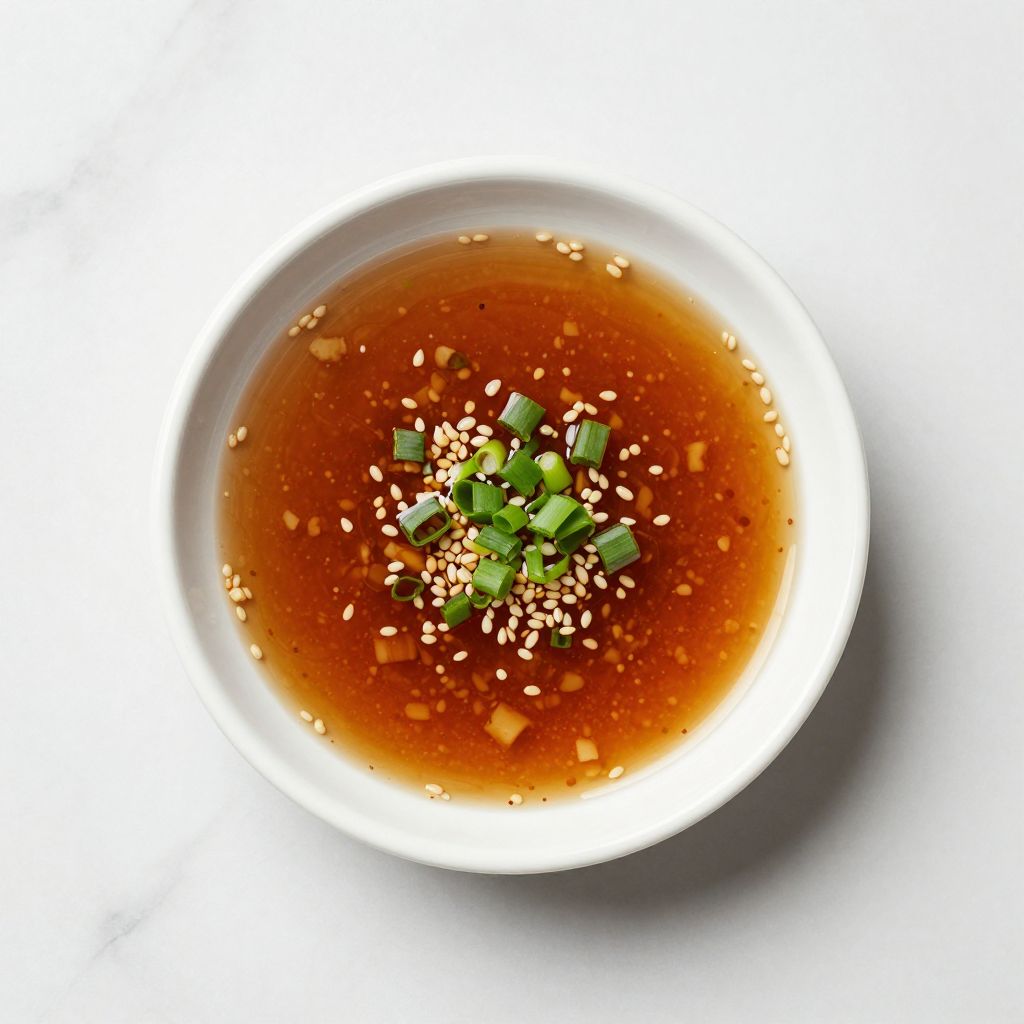
Hibachi Sauce
Ingredients
Equipment
Method
- In a small glass bowl, whisk together the soy sauce, mirin, oyster sauce, and sesame oil. Set aside.
- Place a small saucepan over medium heat and add the butter, allowing it to melt completely without browning.
- Once the butter is melted, add the minced garlic and ginger (if using). Stir constantly for 30 seconds to 1 minute, until the garlic becomes fragrant but does not brown.
- Slowly pour the soy sauce mixture into the butter and garlic, stirring continuously with a whisk or wooden spoon.
- Stir in the sugar and white pepper, whisking to dissolve the sugar completely.
- In a separate small cup, whisk together the cornstarch and 1 tablespoon of water until smooth and lump-free.
- Pour the cornstarch slurry into the saucepan while whisking constantly. Continue stirring for 1 to 2 minutes over medium heat until the sauce visibly thickens and develops a glossy sheen.
- Remove the pan from heat and taste the sauce. Adjust seasoning with additional white pepper, mirin, or soy sauce if desired.
- Let the sauce cool for 2 to 3 minutes at room temperature before drizzling over hot hibachi dishes.