
There’s a moment when you pour silky, cheese-laden sauce over freshly baked pasta or vegetables and watch it transform the entire dish into something restaurant-worthy. That’s the magic of mornay sauce, a French classic that sits somewhere between simple and sophisticated.
This creamy, cheese-enriched béchamel is the secret weapon that elevates weeknight dinners into something memorable. Mornay sauce takes just 15 minutes to make, requires only a handful of pantry staples, and works on pasta, vegetables, seafood, and eggs with equal charm.
Once you master this one sauce, you’ll find yourself making it constantly. It’s the kind of recipe that lives in your muscle memory after a few rounds, and honestly, that’s when cooking becomes fun.
Why You’ll Love This Recipe
Mornay sauce delivers restaurant-quality results from your own kitchen in under 20 minutes. It’s foolproof once you know the technique, and the creamy, savory-cheese flavor works with almost anything you pair it with.
- Quick and simple with just five basic ingredients
- Smooth, luxurious texture that coats food beautifully
- Versatile enough for pasta, vegetables, seafood, and egg dishes
- Makes leftovers taste gourmet without extra effort
- Freezes well for busy weeknight shortcuts
My Experience Making This Recipe
The first time I made mornay sauce was while trying to rescue a sad plate of steamed broccoli. I had tasted it at a French bistro the week before and couldn’t shake the memory of how velvety and perfect it tasted.
I was nervous about making it myself, worried the sauce would break or taste too heavy. When I poured that first batch over the broccoli, the transformation was instant and honestly mind-blowing for something so simple.
Now I make mornay sauce at least twice a month, usually when I want to dress up something ordinary or when I’m short on ideas. My partner calls it my “secret weapon,” and he’s not wrong because everyone always asks for the recipe.
Recipe Overview
- Recipe Name: Mornay Sauce
- Servings: Makes about 2 cups (serves 4 to 6)
- Prep Time: 5 minutes
- Cook Time: 10 minutes
- Total Time: 15 minutes
- Course: Sauce
- Cuisine: French
- Calories per Serving: 180
Equipment You Will Need
- Small saucepan (2 to 3 quart capacity)
- Wooden spoon or whisk
- Measuring cups and spoons
- Cheese grater (if grating cheese from a block)
- Microplane or box grater for nutmeg
- Fine-mesh sieve (optional, for straining if lumps form)
Ingredients for Mornay Sauce
- Butter: 3 tablespoons, unsalted
- All-purpose flour: 3 tablespoons
- Whole milk: 2 cups, warmed
- Gruyere cheese: 1 cup, freshly grated (about 4 ounces)
- Salt: 1/2 teaspoon, to taste
- Black pepper: 1/4 teaspoon, freshly ground
- Nutmeg: 1/8 teaspoon, freshly grated
- Cayenne pepper: Pinch (optional)
Ingredient Notes and Substitutions
- Butter: The fat base that prevents the flour from burning and creates a smooth roux. You can use olive oil or ghee, though butter gives the most authentic flavor.
- All-purpose flour: Acts as a thickener to create the sauce body without lumps. Cornstarch works as a substitute at a 1-to-1 ratio, but mix it with a little cold milk first to prevent clumping.
- Whole milk: Provides the creamy base; low-fat milk works but yields a thinner sauce. Heavy cream or half-and-half creates a richer version, though use only 1.5 cups if substituting.
- Gruyere cheese: Adds nutty depth and melts smoothly without getting stringy. Swiss, Emmental, or even sharp cheddar work well, though they’ll shift the flavor slightly.
- Nutmeg: A pinch of freshly grated nutmeg lifts the whole sauce and is traditional in French cooking. Ground nutmeg from a jar works if necessary, but use half the amount since it’s more potent.
How to Make Mornay Sauce
Step 1: Melt the Butter
Place the saucepan over medium heat and add the butter. Let it melt completely and foam slightly, which takes about 1 minute.
Don’t let it brown; you want a light, foamy butter that will create a pale roux. Browning the butter changes the flavor and makes the sauce taste nutty instead of clean.
Step 2: Create the Roux
Add the flour to the melted butter and stir constantly for about 2 minutes. The mixture should look like wet sand and smell slightly toasty but not brown.
This cooking step cooks out the raw flour taste and helps the flour absorb the milk evenly. Skipping this step or rushing it leads to lumpy sauce, so take your time here.
Step 3: Add Warm Milk Slowly
Reduce the heat to medium-low and pour in the warm milk slowly while whisking constantly. Add it in thirds, whisking thoroughly between each addition to prevent lumps.
Warm milk mixes more smoothly than cold milk because the fat in the roux is already warm. This temperature match prevents the flour from seizing up and creating clumps.
Step 4: Whisk Until Smooth
Keep whisking for about 3 to 4 minutes until the sauce thickens and no lumps remain. You’ll feel it transition from thin and pourable to thick enough to coat the back of a spoon.
The sauce should flow slowly off a spoon but not run off immediately. This is the sign that your roux-to-milk ratio is perfect.
Step 5: Reduce Heat and Simmer
Turn the heat to low and let the sauce simmer for 2 to 3 minutes, stirring occasionally. This gentle heat finishes cooking the flour completely and deepens the flavor slightly.
Low heat prevents the bottom from scorching and the top from developing a skin. You’ll see a few small bubbles breaking the surface when it’s ready for the next step.
Step 6: Add the Cheese
Remove the saucepan from heat and stir in the freshly grated Gruyere cheese in handfuls. Mix until each addition melts completely before adding more, which takes about 1 minute total.
Removing from heat protects the cheese proteins from breaking down, which keeps the sauce smooth and glossy. Cold cheese added to boiling sauce can turn grainy and broken.
Step 7: Season to Taste
Add the salt, black pepper, and freshly grated nutmeg and stir well. Taste the sauce and adjust the seasonings, adding more salt or nutmeg as needed.
Nutmeg is bold, so add it in small pinches and taste between additions. You want a subtle warmth that makes people wonder what the secret ingredient is.
Step 8: Finish and Serve
Pour the sauce over your chosen base, whether pasta, vegetables, fish, or eggs. Mornay sauce is best served immediately while it’s warm and pourable.
If the sauce sits and becomes too thick, stir in a splash of warm milk to loosen it. The sauce will thicken slightly as it cools, so account for that when plating.
Pro Tip: Warm your milk before adding it to the roux; cold milk creates lumps because the temperature difference causes the flour to seize up instantly.
Tips for the Best Mornay Sauce
- Use freshly grated cheese instead of pre-shredded; pre-shredded contains anti-caking agents that make the sauce grainy instead of smooth.
- Grate nutmeg fresh over the sauce just before serving for the brightest, most complex flavor that’s impossible to achieve with ground nutmeg from a jar.
- Keep the heat at medium-low during cooking; high heat scorches the bottom and makes the sauce taste burnt or bitter.
- Stir frequently but gently to avoid incorporating too much air, which can make the sauce look thin and broken instead of creamy.
- If you do end up with lumps, pour the sauce through a fine-mesh sieve into a clean bowl and it will come out perfectly smooth.
- Make the sauce just before serving for the silkiest texture; it’s harder to reheat without it breaking or separating.
Common Mistakes to Avoid
- Adding cold milk directly to hot roux causes lumps because the temperature shock makes the flour clump; always warm the milk first.
- Skipping the roux cooking step leads to raw flour taste that never fully disappears no matter how long you cook the sauce.
- Using pre-shredded cheese introduces anti-caking powder that makes the sauce grainy and gritty instead of smooth and silky.
- Cooking at too high a heat scorches the bottom of the pan and creates a bitter, burnt flavor that ruins the whole batch.
- Adding cheese while the sauce is still boiling causes the cheese proteins to break, resulting in a thin, separated sauce instead of a thick, creamy one.
Serving Suggestions
Mornay sauce transforms simple ingredients into elegant dishes that feel like you spent hours cooking. Use it anywhere you want richness and depth without heavy cream.
- Toss with freshly cooked pasta and roasted vegetables for a vegetarian dinner that feels indulgent
- Spoon over steamed broccoli, cauliflower, or asparagus for a side dish that steals the spotlight
- Layer with cooked seafood like shrimp or crab for an upscale, restaurant-style dinner
- Drape over baked eggs or poached eggs for an elegant brunch that impresses without effort
- Mix with cooked chicken and bake in a casserole for comfort food that tastes refined
Variations to Try
- Mustard Mornay: Stir in 1 tablespoon of Dijon mustard before serving for a tangy kick that pairs beautifully with ham or seafood.
- Herb-Infused Mornay: Add 1 tablespoon of fresh thyme, tarragon, or dill just before serving for brightness that complements fish and vegetables.
- Smoked Gouda Mornay: Replace half the Gruyere with smoked Gouda for a deeper, smokier flavor that works wonderfully with roasted vegetables.
- Champagne Mornay: Substitute 1/2 cup of the milk with dry white wine for sophistication and acidity that cuts through the richness beautifully.
- Lobster Mornay: Fold in 1 cup of cooked, diced lobster meat and a splash of brandy for a luxurious version worthy of special occasions.
Dietary Adaptations
- Gluten-free: Replace all-purpose flour with cornstarch at a 1-to-1 ratio, whisking it with a little cold milk first to prevent lumps; the sauce will be slightly thinner but still delicious.
- Dairy-free: Use dairy-free butter, unsweetened oat milk, and nutritional yeast mixed with a little cornstarch for creaminess; the flavor won’t be identical but it will be satisfying.
- Vegan: Make a plant-based version using olive oil, flour, unsweetened almond milk, and nutritional yeast with a pinch of turmeric for color; add miso paste for umami depth.
- Low-carb/Keto: Use the same method but reduce flour to 2 tablespoons and increase butter to 4 tablespoons; the sauce will be thinner but still creamy and satisfying.
Storage and Reheating
Refrigerator
Pour mornay sauce into an airtight container and store it in the refrigerator for up to 4 days. The sauce will thicken as it cools, which is normal.
- Cover the surface with plastic wrap pressed directly onto the sauce to prevent a skin from forming
- Store in portions if you plan to use it throughout the week for easy access
Freezer
Mornay sauce freezes well for up to 3 months in a freezer-safe container or heavy-duty freezer bag. Leave a little headspace since it expands slightly when frozen.
- Freeze in ice cube trays for portion control, then pop cubes into a freezer bag for storage
- Label the container with the date so you know how long it’s been stored
Reheating
Thaw frozen mornay sauce in the refrigerator overnight, then reheat gently on the stovetop over low heat, stirring frequently and adding a splash of milk if needed. Never microwave it, as this can cause the sauce to break or separate.
- Stir constantly to ensure even heating and prevent the bottom from scorching
- Add milk or cream one tablespoon at a time if the sauce becomes too thick during reheating
Nutrition Information
| Nutrient | Amount |
|---|---|
| Calories | 180 |
| Total Fat | 14 g |
| Saturated Fat | 9 g |
| Carbohydrates | 8 g |
| Fiber | 0 g |
| Sugar | 1 g |
| Protein | 8 g |
| Sodium | 350 mg |
| Cholesterol | 35 mg |
Nutrition values are approximate and calculated per serving based on a recipe yield of 2 cups divided into 4 servings. Actual values may vary based on specific ingredients and brands used.
Frequently Asked Questions
Can I make mornay sauce ahead of time?
Yes, you can make it up to 4 days in advance and store it in the refrigerator. Reheat gently on the stovetop with a splash of milk to restore the creamy consistency.
Why is my mornay sauce lumpy?
Lumps form when cold milk hits hot roux or when the flour isn’t cooked long enough in the butter before adding milk. Always warm your milk first, and whisk the roux for a full 2 minutes before adding liquid.
Can I use cheddar cheese instead of Gruyere?
Yes, cheddar works perfectly and creates a sharper flavor that some people prefer. Sharp or extra-sharp cheddar gives a more interesting depth than mild varieties.
What happens if I add the cheese while the sauce is still boiling?
The high heat breaks down the cheese proteins and causes the sauce to separate and become thin and greasy. Always remove the pan from heat before adding cheese for a smooth, creamy result.
How thick should mornay sauce be?
The sauce should coat the back of a spoon but still flow slowly off it, similar to heavy cream consistency. It thickens slightly as it cools, so account for that when adjusting the consistency.
Can I use milk alternatives like almond or soy milk?
Unsweetened oat milk works best because it has a creamier body than almond milk, though the flavor won’t be quite as rich. Avoid sweetened varieties that will throw off the savory balance of the sauce.
Final Thoughts
Mornay sauce is one of those kitchen skills that changes how you cook and opens up endless possibilities for transforming ordinary ingredients into something memorable. Once you make it a few times, your hands will remember the motions and the sauce becomes second nature.
Try this recipe this week on whatever vegetables or pasta you have on hand, and you’ll find yourself reaching for it again and again. It’s the kind of sauce that makes people think you spent way more time cooking than you actually did.
Explore More Sauce Recipes
If you love the richness and elegance of mornay sauce, you might also enjoy exploring other creamy sauce options that elevate your cooking game.
Try an Alfredo sauce recipe with cream cheese for a faster, equally delicious alternative that’s just as versatile. You can also elevate your noodle dishes with a creamy ramen recipe that brings comforting, restaurant-quality flavor to weeknight dinners.
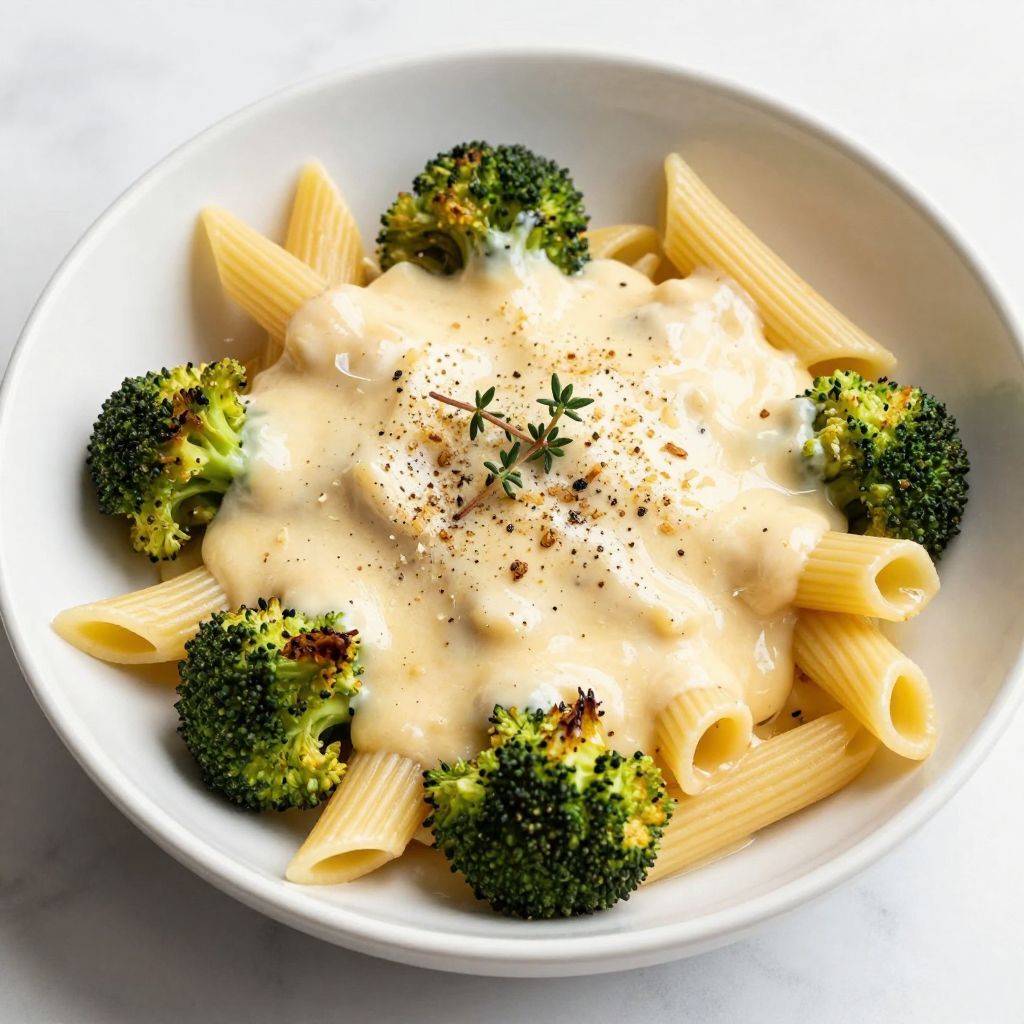
Mornay Sauce
Ingredients
Equipment
Method
- Place a small saucepan over medium heat and add 3 tablespoons unsalted butter; melt until foamy, about 1 minute, without browning.
- Add 3 tablespoons all-purpose flour and stir constantly for about 2 minutes until the roux is pale and slightly toasty.
- Reduce heat to medium-low and slowly pour in 2 cups warmed whole milk in three additions, whisking thoroughly between each addition to prevent lumps.
- Continue whisking for 3 to 4 minutes until the sauce thickens and coats the back of a spoon.
- Lower heat to low and simmer gently for 2 to 3 minutes, stirring occasionally to finish cooking the flour.
- Remove the pan from heat and add 1 cup freshly grated Gruyere cheese in handfuls, stirring until each addition melts, about 1 minute.
- Stir in 1/2 teaspoon salt, 1/4 teaspoon black pepper, and 1/8 teaspoon nutmeg; taste and adjust seasoning, adding a pinch of cayenne pepper if desired.
- Immediately pour the sauce over pasta, vegetables, seafood, or eggs; if it thickens, loosen with a splash of warm milk before serving.