
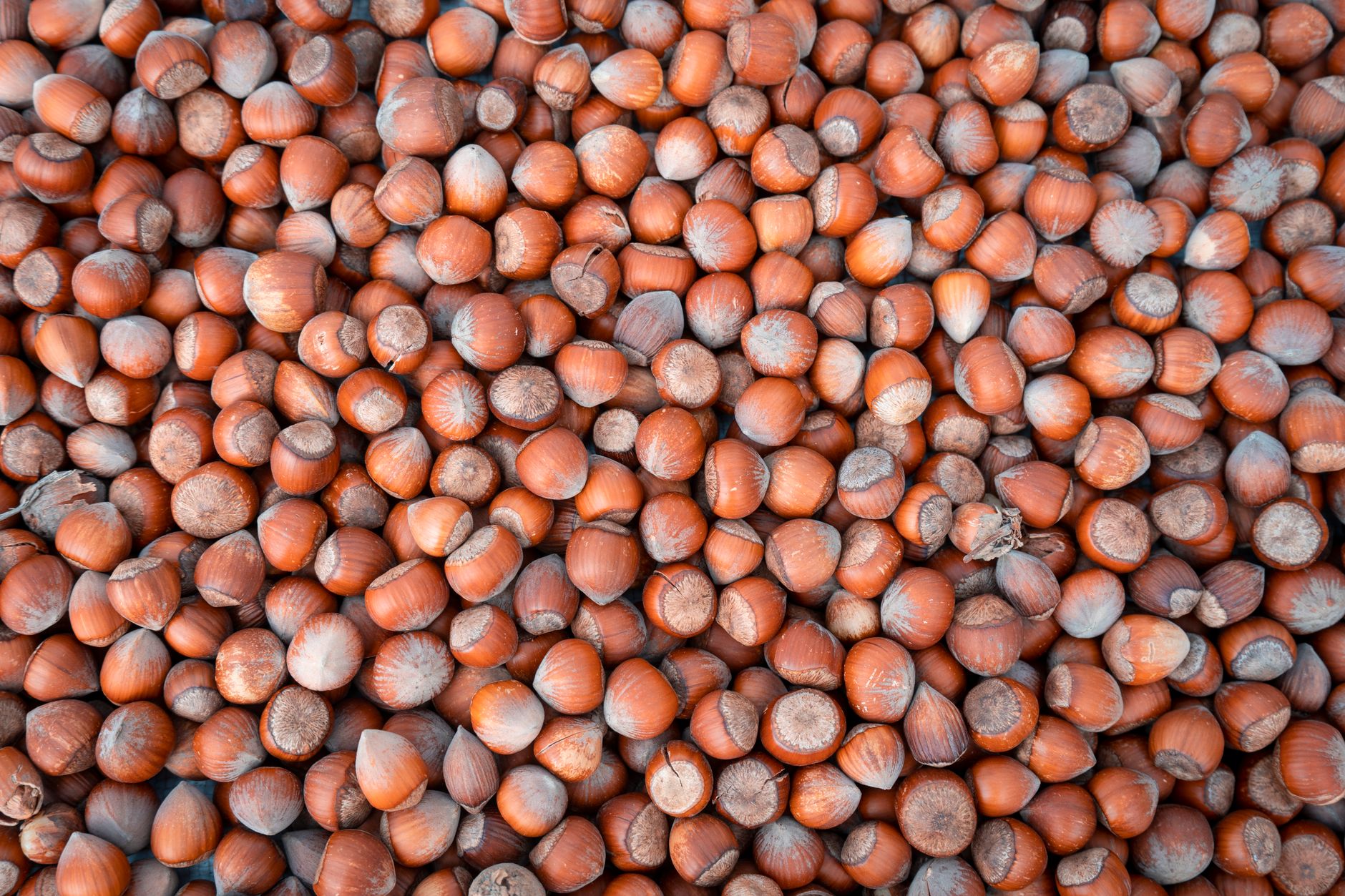
Nuts are a popular snack choice, known for their crunchy texture and rich flavors. Besides being delicious, they offer a range of health benefits, especially when it comes to protein content. In this article, we will explore which nut contains the highest protein levels and provide a comprehensive guide to incorporating protein-rich nuts into your diet.
While many nuts provide healthy fats and essential nutrients, understanding their protein content can help you make informed dietary choices. This guide will outline various nuts and their protein amounts, serving sizes, and practical tips for inclusion in meals and snacks.
What Nut Has the Most Protein?
Among commonly consumed nuts, almonds have the most protein, offering approximately 6 grams of protein per ounce (28 grams). However, other nuts also pack a substantial protein punch. This section will explore several types of nuts and their protein contributions.
Protein Content of Various Nuts
| Nut Type | Protein Content (per 1 oz / 28g) |
|---|---|
| Almonds | 6 grams |
| Pistachios | 6 grams |
| Cashews | 5 grams |
| Walnuts | 4 grams |
| Pecan | 3 grams |
| Brazil nuts | 4 grams |
| Macadamia nuts | 2 grams |
As seen in the table, both almonds and pistachios are tied for the highest protein content at 6 grams per ounce. These numbers can vary slightly depending on the variety and processing methods, but they provide a helpful reference point.
The Benefits of Protein in Nuts
Including nuts in your diet serves many purposes, especially as a source of protein. Here’s how nuts contribute to your health:
- Muscle Repair and Growth: Protein is essential for repairing tissue and building muscle, making nuts an excellent snack for fitness enthusiasts.
- Satiety: Protein-rich foods help maintain a feeling of fullness, which can assist in weight management.
- Nutrient Dense: Nuts provide not only protein but also healthy fats, vitamins, and minerals.
How to Incorporate Protein-Rich Nuts into Your Diet
Adding nuts to your meals can be simple and delicious. Here are some practical ideas to utilize protein-rich nuts in your everyday diet:
As a Snack
- Plain: Enjoy a handful of nuts as a quick snack on their own.
- Trail Mix: Combine your favorite nuts with dried fruits and seeds for a customizable trail mix.
- Nut Butter: Spread almond or cashew butter on whole-grain toast or use it as a dip for apple slices.
In Breakfast
- Oatmeal: Top your morning oatmeal with chopped almonds or walnuts to enhance the protein content.
- Smoothies: Add a tablespoon of nut butter to your smoothies for creaminess and added protein.
- Granola: Choose a granola that includes nuts or make your own with oats, honey, and your nuts of choice.
In Salads
- Top: Sprinkle chopped nuts over salads for extra crunch and nutrition.
- Dressings: Blend nuts into a homemade dressing for added creaminess and protein.
- Grains: Combine nuts with quinoa or couscous salads for a hearty meal.
In Cooking
- Thickening Agent: Ground nuts can be added to soups and stews as a thickening agent.
- Baking: Incorporate nuts into bread, muffins, or cookies for added texture and flavor.
- Coatings: Use finely chopped nuts as a coating for chicken or fish before baking.
Storage Tips for Nuts
Proper storage of nuts can prolong their shelf life and maintain their quality. Here are some practical storage tips:
- Keep it Cool: Store nuts in a cool, dry place, preferably in an airtight container.
- Refrigeration: For longer storage, consider keeping them in the refrigerator or freezer to prevent rancidity.
- Check for Freshness: Before using, smell and taste a small amount to ensure no off flavors are present.
Nut Substitutions for Protein Needs
If you are allergic to a specific nut or simply looking for variety, consider these protein-rich alternatives:
- Seeds: Pumpkin seeds and sunflower seeds contain similar protein levels and can be good substitutes.
- Legumes: Beans and lentils can be used in dishes where nuts are called for, providing an excellent protein source.
- Peanuts: Though technically legumes, peanuts offer significant protein and can be used similarly to tree nuts.
Common Mistakes When Consuming Nuts
While nuts are healthy, certain common mistakes can undermine their benefits:
- Consumption in Excess: Nuts are calorie-dense, so moderation is key to avoid excessive caloric intake.
- Salted Varieties: Opt for unsalted or lightly salted nuts to minimize sodium intake.
- Neglecting Allergies: Always check labels if you have nut allergies, as cross-contamination can occur.
Conclusion
Almonds and pistachios lead the pack as the most protein-rich nuts, but many others can contribute positively to a balanced diet. By understanding the protein content and how to incorporate various nuts into meals, you can enjoy both their flavors and health benefits.
For a delightful twist on incorporating protein-rich foods into your diet, explore high-protein dessert recipes like protein brownies or sweet treats like protein cookies. Enjoy exploring these delicious ideas!